

Mastering the Art of the Cover Letter: Essential Tips and Templates
Understanding the Importance of a Cover Letter
In the ever-competitive job market, a cover letter often serves as your first opportunity to make a personal connection with potential employers. While your resume outlines your professional history and qualifications, the cover letter provides context and personality to your application. This document plays a pivotal role in introducing you to your future employer, highlighting important skills, experiences, and the unique qualities that set you apart from other candidates. Understanding its significance forms the foundation of crafting a compelling cover letter that can move you closer to your dream job.
What is a Cover Letter?
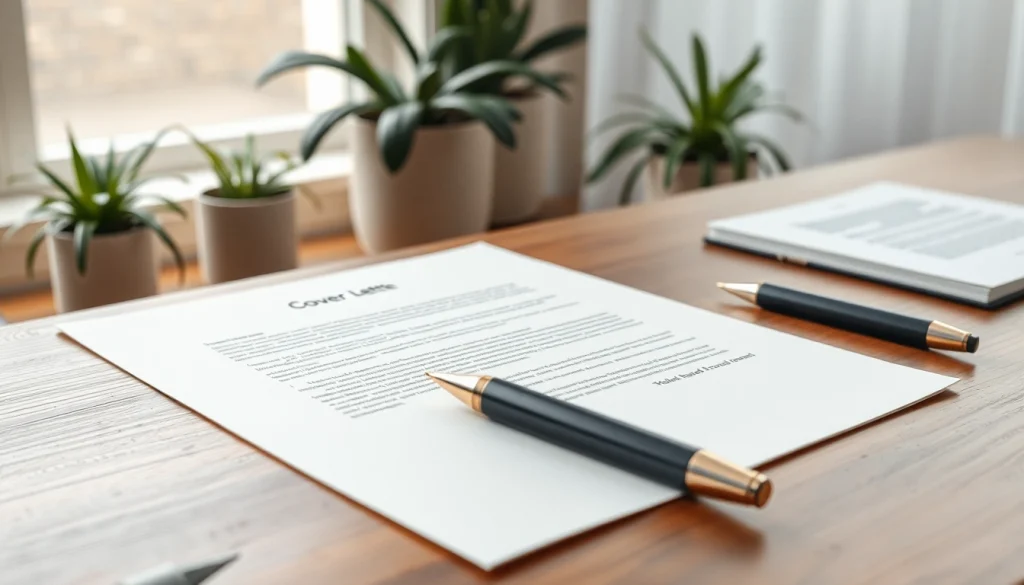
A cover letter is a tailored document sent alongside your resume during the job application process. It is typically formatted as a letter and must address the specific employer and job for which you are applying. In essence, this is your chance to convey your enthusiasm for the role, demonstrate a clear understanding of the company and its values, and articulate why you are the ideal candidate. The standard cover letter consists of several distinct sections:
- Header: Includes your contact information, the date, and the employer’s contact information.
- Salutation: A respectful greeting, typically using the hiring manager’s name.
- Introduction: A brief statement on the position you are applying for and where you found it.
- Body: A few paragraphs elaborating on your qualifications and reasons for your interest in the role.
- Closing: A thank you note and a prompt for a follow-up action.
Why You Need a Cover Letter
Many applicants overlook the importance of a cover letter, mistakenly believing it is an unnecessary formality. However, studies have shown that a well-crafted cover letter can significantly increase your chances of securing an interview. Here are several key reasons why you need a cover letter in your job applications:
- Demonstrates Interest: A cover letter allows candidates to express their genuine interest in the position and showcase their knowledge about the company.
- Showcases Qualifications: This document enables you to highlight relevant skills and experiences that may not be fully conveyed in your resume.
- Personal Connection: A cover letter provides a channel to form a connection with hiring managers, giving insight into your personality and professional narrative.
- Illustrates Fit: You can clarify why your specific qualifications make you a perfect fit for the role and the company culture.
Common Mistakes to Avoid
While writing a cover letter, candidates often fall victim to common pitfalls. Avoid the following mistakes to ensure your letter stands out:
- Generic Content: Sending a one-size-fits-all letter can come across as lazy. Always tailor your cover letter to the specific job and company.
- Repetition of the Resume: Your cover letter should complement, not repeat, the resume. Use it to tell a compelling story rather than reiterating facts.
- Lack of Attention to Detail: Spelling and grammatical errors can undermine your professionalism. Always proofread your cover letter carefully.
- Weak Opening: The opening paragraph should grab attention immediately. Avoid bland lines—aim to hook your reader from the start.
Components of an Effective Cover Letter
Essential Elements to Include
An effective cover letter includes several essential components:
- Header: Ensure your header is formatted properly to convey professionalism.
- Introduction: Your introduction should state the specific position you are applying for and how you became aware of it.
- Body of the Letter: This is where you detail your relevant experiences. Use examples that demonstrate your skills and achievements.
- Closing: Reinforce your interest in the position and the company. Thank the employer for considering your application.
Structuring Your Cover Letter
Understanding how to structure your cover letter correctly is crucial. A well-structured cover letter is typically divided into three main sections:
- Opening Section: Start with a compelling introduction that makes the reader want to continue reading.
- Main Body: Use this section to link your qualifications and experiences to the job requirements. Aim for two to three paragraphs.
- Closing Section: End with a call to action, encouraging the hiring manager to contact you for an interview.
Personalizing Your Letter
Personalization is key in creating a memorable cover letter. Here are some techniques to customize your letter:
- Use the Hiring Manager’s Name: Whenever possible, address the cover letter to a specific person rather than using “To Whom It May Concern.”
- Refer to the Company Culture: Mention specific aspects of the company’s culture or values that resonate with you, which can convey your fit within the organization.
- Tailored Content: Each cover letter should be tailored to every job application. Reflect on the job description and showcase relevant skills.
Cover Letter Formats and Styles
Different Types of Cover Letters
There are several types of cover letters that you can consider, depending on your circumstances:
- Standard Cover Letter: This is the most common type, typically responding to a specific job posting.
- Referral Cover Letter: If someone within the company has referred you, mention their name in your introduction to establish credibility.
- Networking Cover Letter: If you are seeking informational interviews or networking opportunities rather than direct job applications, this format may be used.
- Value Proposition Cover Letter: This type focuses on how you can add value to the organization instead of merely outlining your qualifications.
Choosing the Right Format for Your Profession
Your choice of cover letter format can depend on your industry, level of experience, and job type. Here are some insights:
- Corporate Positions: Use a formal and traditional format.
- Creative Jobs: Consider more visually appealing formats that reflect the nature of work.
- Technical Positions: Ensure clarity and directness, focusing on relevant skills.
- Entry-Level Positions: Use a straightforward approach showcasing your enthusiasm and willingness to learn.
Templates for Every Career Level
Templates can serve as helpful guides, especially for individuals who may struggle with crafting a compelling cover letter. Numerous resources provide templates tailored to various job levels:
- Entry-Level Templates: Reflect adaptability, eagerness to learn, and a strong educational background.
- Mid-Level Templates: Highlight relevant experiences and specific achievements that demonstrate an upward career trajectory.
- Executive Templates: Focus on leadership skills and strategic thinking, showcasing how you have driven organizational success.
Enhancing Your Cover Letter
Using Action Verbs and Strong Language
Words are powerful. Choosing action verbs can enhance your cover letter and make your accomplishments more impactful. Consider the following examples of strong action verbs:
- Developed: Indicates initiative and creativity.
- Implemented: Showcases your abilities in executing plans.
- Led: Highlights leadership and perseverance.
- Optimized: Indicates past successes in improving processes.
Incorporating Keywords and Phrases
To make your cover letter more appealing to hiring managers, it’s crucial to include specific keywords and phrases present in the job description. This will demonstrate that you possess the qualifications the employer is looking for. Incorporating relevant industry terms also shows a familiarity with the field, reinforcing your suitability for the position.
Visual Presentation Tips
The visual presentation of your cover letter plays an important role in making a positive first impression. Here are several tips to enhance visual appeal:
- Consistent Formatting: Use the same font and formatting styles as your resume.
- White Space: Ensure there is enough white space for easy reading, avoiding overcrowded sections.
- Professional Colors: Stick with professional colors that convey seriousness and sophistication.
- Quality Paper: If submitting a hard copy, use high-quality paper to create a tactile impression.
Final Checks for Your Cover Letter
Proofreading and Editing Techniques
Before submitting your application, take the time to proofread and edit your cover letter thoroughly. Here are some techniques to improve the quality of your writing:
- Read Aloud: This helps catch awkward phrases and tonal inconsistencies.
- Use Grammar Checking Tools: Digital tools can help identify errors you might have overlooked.
- Take a Break: Stepping away from your letter and returning with fresh eyes can help you spot mistakes.
Getting Feedback from Peers
Sometimes, a fresh perspective is all that’s needed to enhance your document. Consider sharing your cover letter with trusted peers or mentors to gather constructive feedback. They may offer valuable insights and suggestions to improve clarity or impact.
Preparing for Application Submission
Ensure that your cover letter is ready for submission by double-checking all details:
- Correct Adds: Confirm that the companies and positions are accurately addressed in your letter.
- Contact Details: Ensure your contact information is up-to-date and clear.
- Submission Guidelines: Follow any specific application instructions provided in the job posting to avoid automatic disqualification.