admin
admin 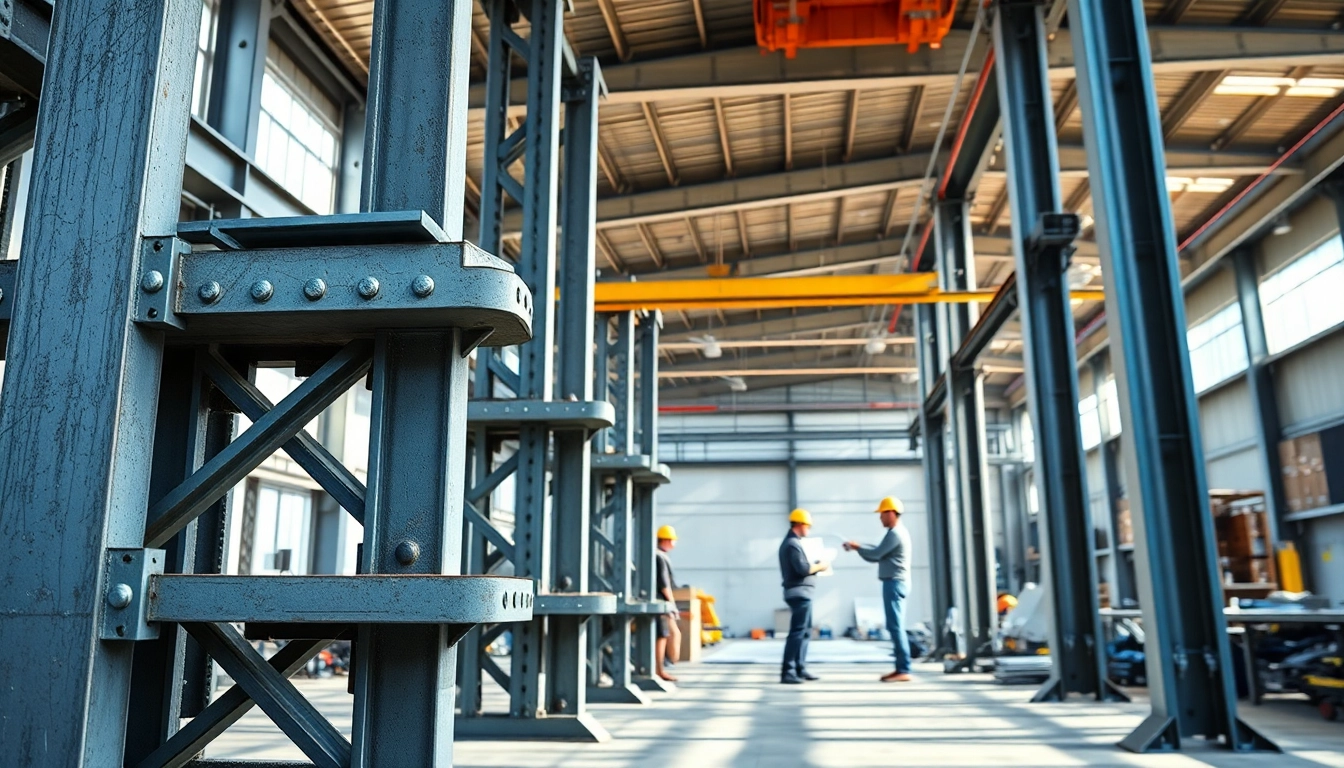
Understanding Steel Structure Design Fundamentals
The Importance of Steel in Construction
Steel has become a cornerstone in modern construction due to its strength, versatility, and durability. Used in various forms, it plays a critical role in constructing buildings, bridges, and other infrastructures. The ability to create large, open spaces without the need for internal load-bearing walls makes steel an ideal choice for architects and engineers. Moreover, steel’s recyclability enhances its sustainability, allowing for reduced environmental impact during construction. For comprehensive insights into steel structure design, focusing on architectural and structural needs is essential.
Basic Components of Steel Structures
Understanding the key components of steel structures is vital for effective design. The primary elements include:
- Beams: Horizontal members that support loads from above.
- Columns: Vertical elements that support the structure and transfer loads to the foundation.
- Bracing: Diagonal members that stabilize the structure against lateral forces.
- Connections: Joints between structural members that ensure stability and load transfer.
These components work together to create a cohesive framework that sustains loads and resists environmental forces.
Design Principles for Steel Structure Design
Effective steel structure design is governed by several foundational principles:
- Strength: Structures must be designed to handle anticipated loads without failure.
- Stiffness: Design must prevent excessive deflections under variable loads.
- Stability: The structure must retain its intended shape and integrity even under extreme conditions.
Incorporating these principles ensures the longevity and safety of the structure.
Key Considerations in Steel Structure Design
Load Calculations and Structural Integrity
Accurate load calculations are crucial for determining the structural integrity of steel designs. Engineers employ various loading categories, such as:
- Dead Loads: Permanent static forces such as the weight of structural components.
- Live Loads: Transient loads, including occupants, furniture, and movable equipment.
- Environmental Loads: Forces from wind, snow, earthquake, and thermal expansion.
Thorough analysis of these loads ensures that the framework can withstand all anticipated stresses throughout its lifespan.
Material Selection for Steel Structure Design
The choice of steel material significantly impacts the overall strength, durability, and performance of a structure. Key considerations include:
- Steel Grades: Higher grades provide superior strength-to-weight ratios.
- Corrosion Resistance: Selecting materials that offer protection against environmental factors is essential.
- Availability and Cost: Logistical aspects often influence material choices.
Assessing these factors ensures that the right materials are chosen to meet design objectives efficiently.
Design Codes and Standards Compliance
Adhering to local and international design codes and standards is a legal and practical necessity in steel structure design. Codes provide guidelines for:
- Material specifications, quality assurance, and safety measures.
- Load considerations and permissible stress limits for various designs.
- Construction practices and site safety protocols.
Following established codes promotes safety and reliability, reducing the risk of structural failures.
Innovative Approaches to Steel Structure Design
BIM and 3D Modeling in Steel Design
Building Information Modeling (BIM) and 3D modeling are transforming steel structure design by improving visualization and collaboration. Key benefits include:
- Enhanced Visualization: Allows stakeholders to see a realistic representation of the project.
- Collaboration: Facilitates communication among architects, engineers, and contractors.
- Conflict Resolution: Early detection of design clashes leads to minimized rework.
Utilizing these technologies results in more efficient designs and improved project timelines.
Sustainable Practices in Steel Construction
Sustainability is increasingly at the forefront of steel structure design. Incorporating eco-friendly practices includes:
- Material Recycling: Using recycled steel reduces the demand for new material extraction.
- Energy Efficiency: Designing buildings for optimal energy usage lowers operational costs.
- Life Cycle Assessment: Evaluating the environmental impacts throughout the structure’s life cycle guides sustainable decision-making.
Emphasizing sustainability not only meets regulatory standards but aligns with the growing demand for environmentally responsible practices.
Future Trends in Steel Structure Design
The future of steel structure design is evolving rapidly due to advancements in technology and materials science. Emerging trends include:
- Smart Materials: Incorporating materials that adapt to environmental conditions.
- Modular Construction: Prefabricated steel components lead to reduced onsite construction time.
- Advanced Computational Tools: AI and machine learning can optimize designs for performance and cost.
Taking advantage of these innovations will enhance structural performance and reduce environmental footprints.
Common Challenges in Steel Structure Design
Addressing Load-Bearing Capacity Issues
Load-bearing capacity can present challenges in steel structure design. Solutions include:
- Implementing additional bracing or support systems to enhance stability.
- Using lightweight materials that distribute loads effectively.
- Conducting thorough analyses to ensure all structural elements are appropriately sized.
Proactive assessment can mitigate risks related to insufficient load capacity.
Preventing Corrosion and Damage
Corrosion poses a significant threat to steel structures. Preventive measures include:
- Applying protective coatings to shield against environmental elements.
- Regular inspections to identify and address early signs of corrosion.
- Choosing corrosion-resistant materials during the design phase.
Implementing these strategies extends the life of the structure while reducing maintenance costs.
Effective Project Management Strategies
Project management is integral to the successful delivery of steel structures. Strategies to enhance project outcomes include:
- Establishing clear communication channels among stakeholders.
- Utilizing project management software to track progress and manage resources efficiently.
- Conducting regular risk assessments to identify potential project roadblocks.
These practices help optimize timelines and maintain stakeholder satisfaction throughout the project lifecycle.
FAQs about Steel Structure Design
What is steel structure design?
Steel structure design involves creating frameworks using steel to support loads effectively while meeting safety standards. It encompasses planning, analysis, and execution phases.
How do you calculate loads in steel structure design?
Calculate loads by analyzing dead loads, live loads, and environmental loads to ensure structural integrity and safety. Accurate calculations are vital for overall design success.
What are the types of steel used in construction?
Main types include carbon steel, stainless steel, and alloy steel, each chosen for specific strength and durability properties. These characteristics determine suitability for various applications.
What software is used in steel structure design?
Common software includes AutoCAD, Tekla Structures, and SAP2000 for modeling and analysis of steel structures. These tools enhance precision and facilitate design adjustments.
How does sustainability affect steel structure design?
Incorporating sustainable practices leads to efficient use of resources, minimizing waste, and considering energy efficiency. Sustainable designs not only comply with regulations but prioritize environmental responsibility.