



Enhancing Educational Experiences: Strategies for Effective Learning
Understanding the Essence of Education
Definition and Importance of Education
Education is often defined as the process of acquiring knowledge, skills, values, and habits through various forms of instruction, experience, and practice. It serves as a foundational pillar for individual development and societal progress. Education encourages critical thinking, fosters creativity, and equips individuals with the tools necessary to navigate the complexities of the world. Moreover, education plays a pivotal role in shaping character traits, instilling moral values, and promoting civic responsibilities, all of which are essential for a well-functioning society.
The significance of Education transcends individual advancement. A well-educated populace is crucial for enhancing economic stability and growth, stimulating innovation, and addressing pressing global challenges such as inequality, poverty, and climate change. Education serves as a powerful equalizer by providing opportunities for success and empowerment regardless of one’s background or circumstances.
Historical Perspectives on Education
The concept of education dates back to the dawn of civilization, where oral traditions of storytelling and communal learning were foundational. Ancient societies, such as those in Greece, Rome, and China, recognized the importance of education in cultivating responsible citizens and future leaders. Philosophers like Socrates, Plato, and Confucius emphasized the role of education in moral and intellectual development, forming the basis for various educational philosophies.
As societies progressed through the ages, formal education systems emerged. The establishment of universities in the Middle Ages marked a significant turning point, allowing for structured learning environments where scholars could pursue higher knowledge. The Enlightenment further propelled the evolution of education, promoting critical inquiry and rational thought. Over time, education systems have adapted to meet the changing needs of society, evolving from rote memorization techniques to more inquiry-based, student-centered approaches.
Types of Education Systems Worldwide
Education systems vary significantly across different cultures and regions, reflecting unique historical, social, and economic contexts. Primarily, education can be categorized into several types:
- Formal Education: This includes structured learning that takes place in schools, colleges, and universities, following a standardized curriculum established by educational authorities.
- Informal Education: Often spontaneous and unstructured, informal education occurs in everyday life through interactions and experiences, such as family discussions or community involvement.
- Non-formal Education: Referring to organized educational activities outside the formal system, non-formal education often addresses specific needs and goals, catering to various groups, including adults and marginalized populations.
- Vocational Education: Focused on equipping students with practical skills and knowledge for specific trades or careers, vocational education bridges the gap between academic learning and workforce readiness.
- Special Education: Tailored to meet the diverse learning needs of individuals with disabilities or special needs, emphasizing inclusivity and accessibility in the learning environment.
Key Components of Effective Education
Engaging Teaching Methods
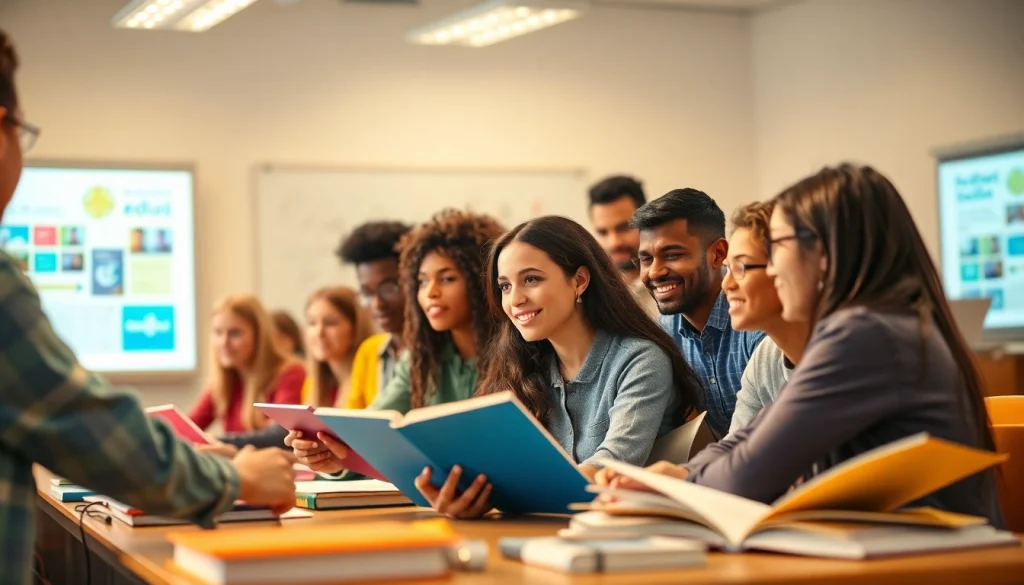
Effective education hinges on engaging teaching methods that captivate students and enhance their learning experiences. Pedagogical strategies such as collaborative learning, project-based learning, and experiential learning foster a dynamic classroom environment. These approaches encourage active participation, critical thinking, and teamwork among students.
Teachers play a crucial role in implementing these methods, employing techniques that cater to different learning styles. For example, integrating visuals, hands-on activities, and technology can accommodate visual, auditory, and kinesthetic learners alike. Personalized instruction, where educators adapt their methods to meet individual needs, can significantly boost student engagement and comprehension.
Role of Technology in Education
The rapid integration of technology in education has transformed traditional learning environments. Digital tools and platforms provide unprecedented access to information, enabling students to explore various subjects beyond the confines of textbooks. Online learning platforms, educational apps, and interactive resources have made education more accessible and flexible.
Technology also facilitates personalized learning experiences through data analytics, allowing educators to track student progress and tailor interventions accordingly. However, it is essential to balance technological integration with traditional teaching methods to foster critical thinking and interpersonal skills among students. Addressing digital literacy is crucial, ensuring that students can navigate online environments responsibly and effectively.
Creating Supportive Learning Environments
A supportive learning environment is fundamental to student success. It encompasses physical, emotional, and social elements that promote a sense of safety and belonging. Classrooms should be designed to encourage collaboration, creativity, and open communication. Positive teacher-student relationships are vital, fostering trust and respect that empower students to express themselves and explore their potential.
Inclusivity is another key aspect of supportive learning environments. Schools must adopt policies and practices that celebrate diversity, ensuring that all students feel represented and valued. Programs focused on social-emotional learning can also enhance students’ resilience, empathy, and interpersonal skills, further contributing to a healthy classroom atmosphere.
Challenges in the Education System
Addressing Inequities in Education
Despite the advancements made in education, significant inequities persist globally. Factors such as socioeconomic status, geographic location, and cultural background often dictate the quality of education that individuals receive. Disparities in access to resources, experienced educators, and advanced coursework contribute to a widening achievement gap among students.
To address these inequities, policymakers and educators must collaborate to implement targeted interventions, such as equitable funding for schools in underprivileged areas, mentorship programs for disadvantaged students, and community partnerships that support local educational initiatives. By promoting fair access to quality education, we can lay the groundwork for a more equitable and just society.
Overcoming Barriers to Learning
Barriers to learning can manifest in various forms, from language proficiency issues to learning disabilities. These obstacles hinder students’ ability to thrive academically. It is imperative to identify and address these barriers early on, providing necessary support and resources to foster success.
Implementing differentiated instruction techniques and utilizing assistive technologies can effectively cater to diverse learning needs. Collaboration between educators, special education professionals, and families is crucial in developing individualized education plans (IEPs) that tailor education to specific challenges. Continuous training and professional development for teachers can enhance their ability to recognize and address these barriers effectively.
Strategies for Inclusive Education
Inclusive education seeks to ensure that all students, regardless of their abilities or backgrounds, can learn together in a supportive environment. This approach values diversity and promotes respect among peers. To foster inclusive education, schools must implement specific strategies:
- Universal Design for Learning (UDL): This framework guides curriculum development by providing multiple means of engagement, representation, and expression to accommodate all learners.
- Professional Development: Continuous training for educators on inclusive teaching practices allows them to stay informed about the best strategies to support diverse learners.
- Peer Support Programs: Establishing buddy systems or mentorship programs encourages collaboration and social interaction, fostering a sense of belonging for all students.
- Parental Involvement: Engaging families in the education process ensures they understand resources and support available to their children, contributing to overall student success.
Future Trends in Education
Innovations in Learning Approaches
As education evolves, innovative learning approaches are emerging, reshaping how knowledge is imparted and retained. Trends such as gamification, augmented reality, and inquiry-based learning are revolutionizing traditional methods. Gamification incorporates game-like elements into the learning process, making it more engaging and motivating. Meanwhile, augmented reality immerses students in interactive real-world scenarios, enhancing understanding and retention.
These innovative approaches not only increase student engagement but also foster critical thinking and problem-solving skills essential for success in an increasingly complex world. Schools must remain adaptable, embracing new methodologies that enhance the educational experience and prepare students for future challenges.
Personalized Learning Experiences
Personalized learning experiences recognize that each student learns differently. By tailoring educational pathways to fit individual strengths, interests, and needs, educators can promote deeper learning and greater student ownership over their education. Technology plays a crucial role in enabling personalized learning through adaptive learning platforms and data analytics that provide insights into each student’s progress.
Creating personalized learning environments necessitates flexibility in curriculum design and assessment methods. Educators should encourage student agency, allowing learners to set their own goals and engage in self-directed exploration. As personalized learning becomes increasingly prevalent, it is vital to equip educators with the necessary tools and training to facilitate this approach effectively.
The Role of Lifelong Learning in Society
In an era characterized by rapid technological advancements and constant shifts in job markets, lifelong learning has become paramount. Individuals must continuously update their skills and knowledge to remain competitive in the workforce. Education is no longer confined to the early years; instead, it encompasses a lifelong journey of growth and development.
Promoting a culture of lifelong learning requires a collective effort from educational institutions, communities, and policymakers. Encouraging adult education programs, vocational training, and community learning initiatives can empower individuals to pursue personal and professional growth throughout their lives. As society evolves, fostering a commitment to lifelong learning ensures that individuals are well-equipped to adapt to changes, contributing to their own success and that of the broader community.
Measuring Educational Outcomes
Metrics for Educational Success
Measuring educational outcomes is essential for assessing the effectiveness of educational programs and practices. Traditional metrics, such as standardized test scores, provide a snapshot of student performance but do not capture the full picture of learning and growth. Educators and policymakers must adopt a multifaceted approach that considers various indicators of success.
Alternative metrics include student engagement levels, portfolio assessments, and self-assessments that offer insights into students’ understanding and skills. Qualitative measures, such as observational data and feedback from students and parents, can also contribute valuable information about the learning experience and outcomes.
Evaluating Teaching Effectiveness
Effective teaching is a cornerstone of successful education, and evaluating teaching effectiveness is vital for continuous improvement. Standardized evaluations such as classroom observations, student feedback surveys, and peer assessments can provide insights into teaching practices and areas for growth.
Professional development opportunities should be tailored to address the specific needs identified through evaluations. Collaborative learning communities among educators encourage the sharing of best practices and strategies that enhance teaching effectiveness. Supporting educators in their professional growth ultimately leads to improved student outcomes and a more dynamic educational environment.
Continuous Improvement in Education
Continuous improvement is essential in education, as it allows institutions to adapt to challenges and embrace innovations. Schools must develop a culture of reflection and inquiry, encouraging stakeholders to assess what works and what needs adjustment. Strategies for continuous improvement include regular curriculum reviews, stakeholder feedback, and professional development initiatives aimed at enhancing teaching and learning practices.
Establishing clear goals, metrics, and processes for improvement will empower educational institutions to lift their standards continually. This commitment to excellence cultivates an environment where both educators and students can thrive, ultimately leading to better learning experiences and outcomes.