admin
admin 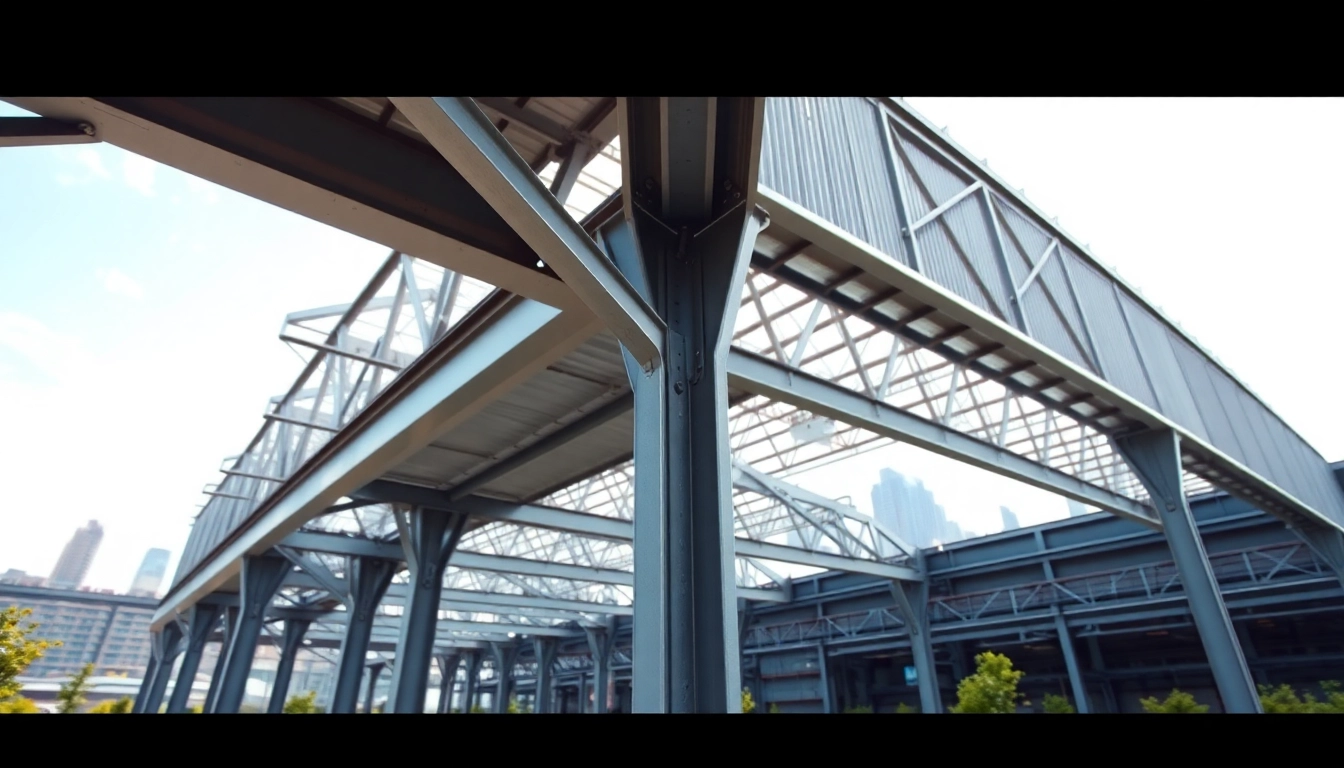
Understanding the Basics of Steel Structure Design
Steel structure design is a critical aspect of modern construction that ensures the integrity and longevity of buildings and infrastructures. It encompasses various methodologies and principles that address the use of steel as a primary building material. The robust characteristics of steel, including its strength-to-weight ratio, versatility, and durability, make it an ideal choice for numerous construction projects. In this article, we delve deep into the concept of steel structure design, the underlying principles guiding it, the challenges it faces, and innovative techniques shaping its future.
What is Steel Structure Design?
Steel structure design refers to the practice of creating building frameworks using steel components. This process involves meticulous calculations and modeling to ensure that the structure can withstand various loads, including dead loads (permanent/static loads like the weight of the materials) and live loads (temporary/dynamic loads like people and furniture). Effective steel structure design is essential for ensuring safety, performance, and functionality in construction.
Importance of Steel in Modern Construction
Steel plays a pivotal role in contemporary building projects due to its numerous advantages. Its high tensile strength allows for taller and more expansive structures. Additionally, steel is recyclable, making it an environmentally friendly choice. Furthermore, steel structures can be prefabricated, which saves time and reduces construction waste. These elements combine to enhance efficiency throughout the construction process, contributing to a shorter timeline and lower overall costs.
Common Types of Steel Structures
Steel structures are classified into various categories based on their application, design, and functionality:
- Beam and Column Structures: These are the most basic forms, using steel beams and columns to create a framework.
- Steel Frames: Used in multi-story buildings, steel frames support floors and roofs, providing stability.
- Trusses: These are triangular frameworks that efficiently distribute weight and are often used in bridges and roofs.
- Shell Structures: These have a curved shape that helps distribute loads evenly, commonly seen in stadiums.
- Hybrid Structures: Combining steel with other materials like concrete and wood to provide additional benefits.
Fundamental Principles of Steel Structure Design
Load Considerations and Structural Integrity
Understanding load considerations is paramount in steel structure design. Engineers must account for various forces, including static, dynamic, and environmental loads. Structural integrity hinges on how these loads interact with the design. The load paths must be clearly defined to ensure that all forces are transmitted to the foundation effectively. Failure to correctly anticipate load behavior can lead to structural failures, often resulting in significant safety hazards and financial loss.
Material Selection and Quality Standards
Choosing the right steel is vital for ensuring the performance of the structure. Factors such as grade, yield strength, ductility, and resistance to corrosion must be considered. Additionally, adherence to international quality standards (e.g., ASTM, ISO) guarantees that materials will perform consistently over time. Using high-quality materials not only enhances safety but also reduces maintenance costs in the long run.
Design Codes and Regulations
Steel structure design is governed by various building codes and regulations that establish the standards for safety and performance. These regulations vary by region and encompass guidelines from organizations such as the American Institute of Steel Construction (AISC) and the International Building Code (IBC). Compliance with these codes is a legal requirement and ensures that buildings have been subjected to rigorous safety evaluations.
Challenges in Steel Structure Design
Addressing Environmental Factors
Environmental factors such as seismic activity, wind loads, and temperature fluctuations pose significant challenges in steel structure design. Engineers must anticipate these conditions and incorporate them into their designs. This may involve rigorous material testing and modeling to ensure the structure can accommodate changes in environmental conditions without compromising stability.
Cost Management in Design Projects
Effective cost management is crucial throughout the design and construction phases. While steel offers many advantages, it can also be expensive depending on market conditions and material availability. Cost-effective design strategies, such as optimizing the use of materials and employing efficient construction methods, are essential for keeping projects within budget without sacrificing quality or safety.
Streamlining the Design Process
The design process can be complex and time-consuming, involving numerous stakeholders and regulatory approvals. Streamlining this process through effective communication, clearly defined roles, and integrated project delivery methods can enhance efficiency. Utilizing software tools for drafting, modeling, and collaboration can also significantly reduce delays and errors, ensuring a smoother transition from design to construction.
Innovative Techniques in Steel Structure Design
BIM Technology in Design and Modeling
Building Information Modeling (BIM) represents a revolutionary approach to steel structure design. BIM facilitates the creation of detailed 3D models that encompass information about the physical and functional characteristics of the structure. This technology allows architects, engineers, and contractors to collaborate more effectively, improving accuracy and reducing rework. Real-time visualization helps in identifying potential issues before they become costly problems in the construction phase.
Sustainability Practices and Green Building
As sustainability becomes a paramount consideration in construction, steel structure design increasingly incorporates eco-friendly practices. Utilizing recycled steel, optimizing material usage, and implementing energy-efficient technologies contribute to reducing the carbon footprint of steel structures. Moreover, green building certifications such as LEED encourage sustainable design practices, ensuring that constructions are not only built to last but also with minimal environmental impact.
Advanced Structural Analysis Methods
With the advent of modern computing, advanced structural analysis methods have emerged, enabling engineers to simulate how structures behave under various conditions. Finite element analysis (FEA) allows for detailed insights into stress concentrations and potential failure points. These methods facilitate more precise engineering decisions, leading to safer and more efficient designs.
Case Studies of Successful Steel Structure Design
Iconic Steel Buildings and Their Impact
Throughout history, iconic steel structures have shaped skylines and influenced architectural design. Notable examples include the Eiffel Tower, which showcases the possibilities of wrought iron and later steel structures, and the Burj Khalifa, where advanced steel technology allowed for unprecedented height and aesthetic appeal. Each of these structures offers lessons in innovation, functionality, and the potential of steel as a primary building material.
Lessons Learned from Design Failures
Not all steel structures have been successful, and failures often provide valuable lessons. For instance, the collapse of the Ronan Point Tower in London highlighted the importance of adhering to design codes and load considerations. Such incidents underline the significance of thorough testing, quality control, and ongoing education in structural engineering to prevent future failures.
Future Trends in Steel Structure Engineering
The future of steel structure design is poised for exciting advancements. Trends such as the integration of artificial intelligence in structural analysis, the rise of 3D printing in construction, and the increasing emphasis on modular construction are set to transform how engineers approach design. Embracing these innovations will further enhance efficiency, sustainability, and the overall efficacy of steel structures in the years to come.