



Emotional wellbeing skills that strengthen inner peace
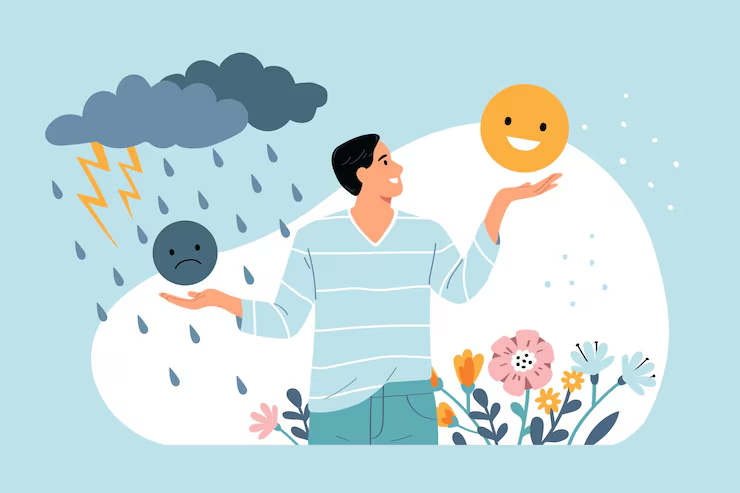
Inner peace is not merely the absence of conflict or stress; it is the presence of balanced emotional functioning and resilience. Developing Emotional wellbeing skills is essential for cultivating this sense of calm and stability. Emotional wellbeing enables individuals to navigate challenges, regulate their responses, and maintain a consistent state of inner harmony. At Calm Minds Hub, the focus is on practical, evidence-based skills that can be applied daily to foster emotional balance and strengthen inner peace.
Understanding the importance of emotional wellbeing skills
Emotional wellbeing skills provide the tools to respond to life’s challenges without being overwhelmed. These skills form the foundation for long-lasting inner peace and psychological stability.
Emotional awareness as a core skill
Recognizing and understanding one’s emotions is the first step toward inner peace. Awareness allows individuals to respond thoughtfully rather than react impulsively.
Emotional regulation for stability
Regulating emotions helps prevent mood swings and emotional exhaustion. This skill ensures consistent emotional balance, supporting resilience and calmness.
Mindfulness and meditation practices
Mindfulness and meditation are key emotional wellbeing skills that enhance self-awareness and promote inner tranquility.
Daily mindfulness practice
Observing thoughts and emotions without judgment fosters emotional clarity and reduces reactivity, strengthening inner peace.
Meditation for emotional balance
Regular meditation practices calm the nervous system, improve focus, and enhance emotional resilience, contributing to a sustained sense of calm.
Cognitive skills for emotional wellbeing
Cognitive strategies allow individuals to interpret situations in ways that reduce emotional distress and support inner peace.
Reframing negative thoughts
Challenging unhelpful thinking patterns and reframing them constructively reduces emotional turmoil and fosters mental clarity.
Practicing realistic optimism
Balanced optimism encourages hope and perseverance while maintaining emotional stability, supporting long-term inner peace.

Self-compassion and emotional resilience
Self-compassion is a fundamental emotional wellbeing skill that strengthens inner peace by reducing self-criticism and emotional tension.
Treating oneself kindly
Responding to setbacks with understanding and patience minimizes internal conflict and promotes calmness.
Accepting imperfection
Recognizing and accepting personal limitations fosters self-acceptance, emotional flexibility, and inner peace.
Interpersonal skills for harmonious relationships
Strong relationships contribute to inner peace by providing support, connection, and emotional safety.
Active listening and empathy
Being attentive to others’ emotions and responding empathetically strengthens relationships and reduces interpersonal stress.
Setting healthy boundaries
Clear boundaries protect emotional energy, prevent resentment, and maintain relational balance, supporting inner calm.
Stress management techniques
Managing stress effectively is crucial for emotional wellbeing and sustaining inner peace.
Relaxation exercises
Techniques such as deep breathing, progressive muscle relaxation, and visualization reduce tension and stabilize emotions.
Structured daily routines
Consistent routines provide predictability and emotional stability, supporting a sense of control and calm.
Lifestyle habits that enhance inner peace
Physical and environmental habits influence emotional wellbeing and inner calm.
Physical activity and movement
Regular exercise releases tension, improves mood, and enhances emotional regulation, contributing to inner peace.
Sleep and restorative rest
Adequate sleep restores emotional balance and mental clarity, reinforcing inner stability.
Mindful use of technology
Reducing digital distractions and limiting exposure to emotionally draining content preserves emotional energy and supports calmness.
Building long-term inner peace
Sustainable inner peace develops through consistent practice of emotional wellbeing skills.
Integrating skills gradually
Developing emotional skills step by step ensures lasting impact without overwhelming the individual.
Aligning practices with personal values
Practices that reflect personal priorities enhance meaning, motivation, and emotional fulfillment, reinforcing inner peace.
Conclusion
Cultivating inner peace requires a combination of emotional awareness, regulation, mindfulness, cognitive strategies, self-compassion, and healthy relationships. Emotional wellbeing skills equip individuals to navigate challenges, manage stress, and maintain consistent emotional balance. Calm Minds Hub emphasizes practical, evidence-based approaches that help individuals strengthen their emotional wellbeing and achieve enduring inner peace in everyday life. Your journey starts at our homepage—check it out today.
FAQs
What are the most important emotional wellbeing skills for inner peace?
The most important skills include emotional awareness, emotional regulation, mindfulness, self-compassion, cognitive reframing, and effective interpersonal communication, all of which contribute to emotional balance and calmness.
Can inner peace be achieved without mindfulness practice?
While mindfulness is highly effective, inner peace can also be cultivated through self-compassion, cognitive strategies, emotional regulation, and healthy lifestyle habits, though mindfulness often accelerates the process.
How long does it take to develop emotional wellbeing skills?
Developing these skills varies per individual, but consistent daily practice over several weeks to months typically leads to noticeable improvements in emotional stability and inner peace.