admin
admin 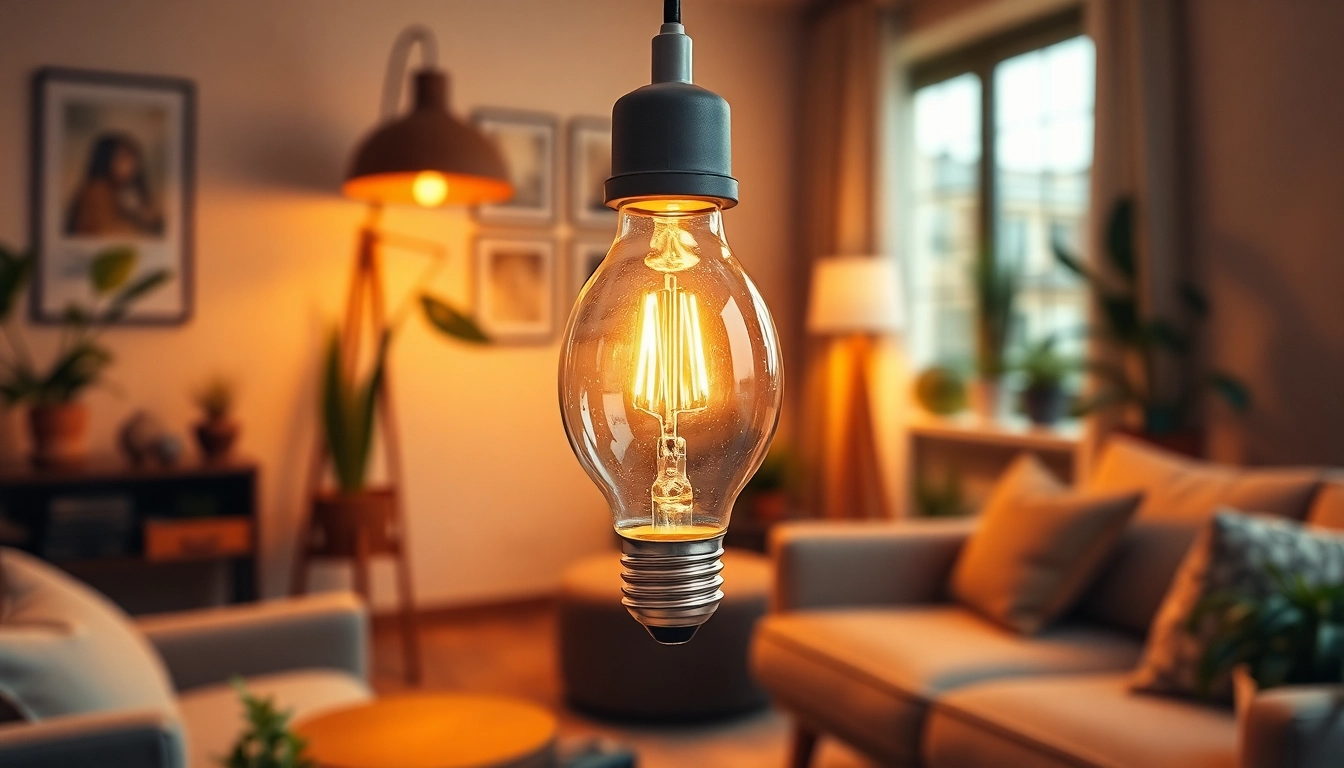
What is an A19 Light Bulb?
Definition and Characteristics
An A19 light bulb is a common household bulb characterized by its distinctive pear-like shape. The “A” stands for “Arbitrary”, referring to the bulb’s shape, while “19” denotes the bulb’s diameter in eighths of an inch, translating to approximately 2.375 inches. A19 bulbs are typically designed for standard medium bases (E26) and have varied wattages ranging from 10 to 100 watts for incandescent options. They are available in several types, including incandescent, compact fluorescent lamp (CFL), and light-emitting diode (LED), each with distinct characteristics and benefits.
Common Uses of A19 Bulbs
A19 light bulbs are exceedingly versatile and can be found illuminating diverse spaces. They are often used in table lamps, floor lamps, ceiling fixtures, wall sconces, and even decorative light fixtures. Their popularity stems from their ability to provide reliable lighting for both ambient and task applications. In homes, A19 bulbs tend to be preferred for living areas, bedrooms, and workspaces where soft, yet effective lighting is required. Additionally, their broad use extends into commercial settings, where they’re utilized for aesthetic purposes in restaurants and boutiques.
Energy Efficiency Explained
Energy efficiency is a significant advantage of A19 light bulbs, particularly with LED options. Traditional incandescent A19 bulbs operate by heating a filament, resulting in wasted energy primarily as heat. In contrast, LED variants convert the majority of electricity into light, boasting a lifespan of up to 25,000 hours compared to around 1,000 hours for incandescent bulbs. This means significant savings on energy bills and a reduced environmental footprint, appealing to environmentally conscious consumers. For more information regarding energy-saving bulbs, you can read about what is an a19 light bulb.
Comparing Different Types of A19 Light Bulbs
Incandescent A19 Bulbs
Incandescent A19 bulbs are the traditional choice, known for their warm light and excellent color rendering. They produce light by heating a tungsten filament until it glows. However, their inefficiency and shorter lifespan have led to their declining popularity in favor of more energy-efficient options like LEDs and CFLs. While they are still used for their warm light quality, especially in homes, the shift toward sustainability has prompted consumers to explore alternatives.
LED A19 Bulbs
LED A19 bulbs represent the pinnacle of energy efficiency and durability. Unlike incandescent bulbs, LEDs use semiconductor technology to produce light, resulting in lower energy consumption and longer life expectancy. They come in various color temperatures, allowing consumers to select their desired ambiance. Furthermore, these bulbs are highly flexible in terms of design, being able to cater to both decorative and functional uses, making them an increasingly popular choice in modern lighting solutions.
CFL A19 Bulbs
Compact fluorescent lamps (CFL) in the A19 format offer a middle ground between incandescent and LED bulbs. They use a gas-filled tube, which produces ultraviolet light when electricity passes through it. The UV light then excites a phosphor coating inside the bulb, creating visible light. While CFLs are more energy-efficient than incandescent bulbs, they do contain small amounts of mercury, which necessitates proper disposal. They serve as a budget-friendly option for consumers seeking to reduce electricity consumption without significant upfront costs.
Choosing the Right A19 Light Bulb for Your Needs
Brightness and Wattage Considerations
Choosing the correct brightness for an A19 light bulb is crucial for effective lighting. Brightness is measured in lumens, with typical A19 bulbs emitting between 800 and 1600 lumens, corresponding to a wattage range of about 10 to 100 for LED and incandescent bulbs, respectively. For general lighting, 800 lumens is adequate for an average-sized room, while 1600 lumens may be better suited for spaces requiring more illumination, such as kitchens or offices. Understanding personal preferences and the function of each room will aid in selecting the appropriate wattage and lumen output.
Color Temperature Options
Color temperature is another essential factor when choosing A19 bulbs. It is measured in Kelvin (K) and ranges from warm (2000K-3000K) to cool (4000K-6500K). Warm white light, around 2700K, is ideal for creating a cozy environment, perfect for living rooms and bedrooms. Cool white light, at about 4000K, is often preferred for work environments or kitchens, providing a clearer and more active atmosphere. Dimmable A19 LEDs also allow for adjustable color temperatures, enhancing versatility.
Dimmer Compatibility
While many A19 bulbs are compatible with dimmer switches, it’s vital to check compatibility when purchasing LED or CFL options. Not all LED or CFL bulbs work with standard dimming circuits, which can lead to flickering or reduced lifespan. To ensure optimal performance, select bulbs specifically labeled as “dimmable.” It’s also a good practice to pair dimmable bulbs with dimmer switches designed for energy-efficient lighting to avoid dimming issues.
Installation Tips for A19 Light Bulbs
Steps for Safe Installation
Installing A19 light bulbs can be straightforward, but safety must always come first. Here are the essential steps for safe installation:
- Turn off the power supply or switch off the circuit breaker.
- Wait for the bulb to cool if it was previously in use.
- Gently grasp the bulb and turn it counterclockwise to remove it from its socket.
- Take your new A19 bulb and align it with the socket.
- Carefully twist the bulb clockwise until secure.
- Restore power to the circuit and test the bulb.
Common Mistakes to Avoid
Several common pitfalls can complicate the bulb installation process. First, avoid using excessive force when twisting the bulb to prevent damaging it or the socket. Additionally, failing to turn off the power can lead to accidents. Ensure the bulb is compatible with your socket type and wattage rating; using an incompatible bulb can result in electrical issues or even fire hazards. Properly following these steps will ensure safety and effective lighting functionality.
How to Handle Broken Bulbs
Handling broken A19 bulbs requires care to avoid injury. First, ensure that the power is turned off. For incandescent bulbs, gently pick up larger pieces by hand, using gloves for protection. For CFLs and LEDs, which may pose a risk of mercury exposure, follow proper disposal protocols as recommended by local regulations. Utilize a vacuum with a HEPA filter to clean up smaller shards. Always ensure safety first and dispose of broken bulbs responsibly.
Frequently Asked Questions About A19 Light Bulbs
How long do A19 light bulbs last?
The lifespan of A19 bulbs varies: incandescent bulbs last about 1,000 hours, CFLs around 7,000 hours, and LEDs can reach up to 25,000 hours or more, making LEDs the most durable choice.
Can I use A19 bulbs in outdoor fixtures?
Yes, but ensure that the A19 bulb is rated for outdoor use. Look for bulbs specifically designed to withstand weather elements to prevent damage and ensure longevity.
Are A19 LED bulbs dimmable?
Many A19 LED bulbs are available in dimmable options. Always check the packaging to confirm compatibility with dimmer switches to avoid flickering and maximize performance.
What is the difference between A19 and other bulb types?
A19 refers to shape and size; other types like PAR and BR refer to specific applications. A19 bulbs are typically used for general lighting, while PAR and BR may focus on spotlight or decorative uses.
How do I dispose of old A19 bulbs properly?
Incandescent and LED bulbs can usually be disposed of in your regular trash. However, CFLs should be taken to a recycling facility that accepts hazardous waste due to their mercury content.