admin
admin 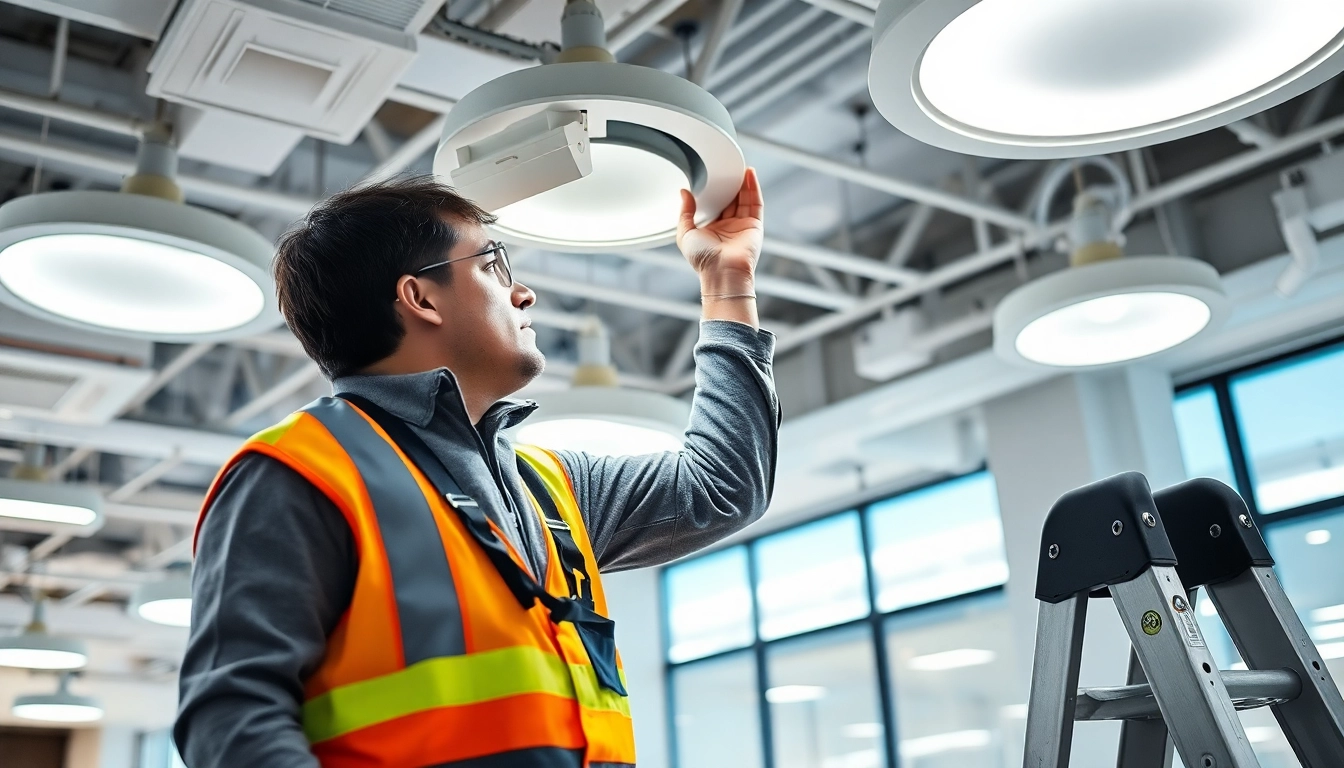
Understanding Lighting Maintenance
What is Lighting Maintenance?
Lighting maintenance refers to the systematic inspection, troubleshooting, and upkeep of lighting systems to ensure optimal performance and longevity. It involves regular checks of lighting fixtures, bulbs, and electrical connections, as well as cleaning and replacing components as needed. Effective lighting maintenance practices can prevent failures, reduce energy consumption, and enhance the quality of illumination in both residential and commercial spaces. Proper maintenance ensures that all lighting systems function efficiently, providing the necessary brightness and ambiance for their intended uses.
The Importance of Lighting Maintenance
Lighting is vital for safety, productivity, and aesthetics. Well-maintained lighting systems contribute significantly to the comfort and well-being of occupants while serving critical functions in workplaces and homes. The importance of lighting maintenance can be summarized in several key points:
- Enhanced Safety: Flickering lights or poorly maintained fixtures can lead to accidents. Regular maintenance ensures adequate visibility and reduces hazards.
- Energy Efficiency: Inefficient lighting consumes more electricity. Well-maintained systems help maintain optimal energy efficiency, leading to lower utility bills.
- Extended Lifespan: Regular inspection and care can prolong the life of lighting fixtures and bulbs, reducing the need for frequent replacements.
- Improved Aesthetics: Clean and properly functioning lighting enhances the appearance of spaces and creates a welcoming environment.
Common Lighting Maintenance Practices
To ensure effective lighting maintenance, several practices should be routinely implemented:
- Routine Inspections: Conducting regular inspections to identify issues such as burnt-out bulbs, outdated fixtures, and other potential hazards.
- Cleaning: Dust and dirt accumulation can impede the performance of lighting fixtures. Regular cleaning helps maintain brightness and fixture integrity.
- Bulb Replacement: Timely replacement of burnt-out bulbs is critical for maintaining illumination levels and reducing energy wastage.
- Electrical Checks: Evaluating connections and wiring at regular intervals prevents electrical failures and reduces the risk of fire hazards.
Identifying Issues in Lighting Systems
Recognizing Signs of Faulty Lighting
Identifying fault signals in lighting systems is crucial to effective maintenance. Common indicators of issues include:
- Flickering Lights: This could indicate a loose connection, faulty bulbs, or issues with the circuit.
- Dimming: If lights appear dimmer than usual, it may suggest problems with electrical supply or aging fixtures.
- Burnt Bulbs: Frequent bulb burnouts can result from incompatible fixtures or overvoltage situations.
- Unusual Noises: Buzzing or humming sounds coming from fixtures or switches suggest underlying electrical issues that may require professional attention.
Evaluating Fixture Performance
Assessing the performance of lighting fixtures involves checking for deficiencies that may affect output:
- Brightness Levels: Ensure that all fixtures produce consistent brightness levels without discrepancies.
- Heat Generation: Excessive heat from fixtures may indicate malfunction or poor ventilation, necessitating immediate inspection.
- Fixture Condition: Inspect for corrosion, damage, or degradation that may affect operation.
When to Seek Professional Help
While basic lighting maintenance can often be performed by individuals, certain situations warrant professional intervention:
- Complex Electrical Issues: Problems related to wiring, circuit breakers, or electrical backfeeding should be handled by certified electricians.
- High-Access Fixtures: Maintenance of fixtures in ceilings or high walls necessitates professional equipment and expertise for safety.
- Frequent Failures: If issues persist despite routine maintenance, it may be indicative of deeper systemic concerns.
Best Practices for Lighting Maintenance
Routine Inspection Techniques
Implementing effective inspection techniques is critical in identifying issues before they escalate. Following a structured routine can be beneficial:
- Develop a Maintenance Schedule: Create a timeline that outlines when inspections will occur, incorporating seasonal checks that align with usage patterns.
- Check All Components: Inspect fixtures, bulbs, and switches thoroughly, taking special note of any irregularities.
- Log Findings: Keep a detailed record of inspection findings to track recurring issues and assess changes over time.
Cleaning and Replacing Fixtures
Regular cleaning and timely replacement are crucial for maintaining lighting efficiency:
- Remove Dust and Debris: Use appropriate cleaning materials tailored for surfaces to ensure fixtures remain non-obstructed.
- Handle Replacements with Care: Always turn off power before replacing bulbs and ensure that new fixtures are compatible with existing systems.
- Utilize LED Technology: Consider switching to LED fixtures which generally require less frequent replacements and offer improved energy efficiency.
Utilizing Advanced Tools
Incorporating technology into lighting maintenance can enhance efficiency and accuracy. There are several tools available to assist in this process:
- Voltage Testers: Essential for ensuring safe electricity levels while performing maintenance tasks.
- Light Meters: These devices measure light intensity, helping you evaluate whether fixtures are performing as intended.
- Cleaning Tools: Utilizing microfiber cloths and specialized cleaning agents can improve the quality of maintenance.
Implementing Sustainable Lighting Solutions
Energy-Efficient Lighting Types
Switching to energy-efficient lighting is an effective method to enhance sustainability in lighting:
- LED Lights: Offering significant energy savings, LED bulbs last longer and use a fraction of the power traditional bulbs do.
- CFLs (Compact Fluorescent Lights): While less popular now, CFLs provide efficient lighting but contain small amounts of mercury that require careful disposal.
- Smart Lighting: Smart technology allows users to control lighting through apps, enhancing efficiency through automation.
Green Practices for Lighting Maintenance
Incorporating environmentally-friendly practices into lighting maintenance can lead to significant sustainability gains:
- Proper Disposal: Ensure that bulbs are disposed of correctly, especially sensitive types like fluorescents.
- Energy Audits: Conduct energy assessments to evaluate and optimize existing lighting setups and identify areas for improvement.
- Maximize Natural Light: Whenever possible, make use of natural light to reduce dependency on artificial sources.
Long-Term Benefits of Sustainable Solutions
Adopting sustainable lighting solutions yields multiple benefits:
- Cost Savings: Lowering energy consumption leads to significant reductions in utility costs over time.
- Environmentally Friendly: Eco-friendly practices contribute positively to the environment, helping reduce carbon footprints.
- Improved Workplace Productivity: Enhanced lighting quality boosts mood and productivity among occupants, fostering a more positive atmosphere.
FAQs About Lighting Maintenance
How often should lighting maintenance be performed?
Lighting maintenance should be conducted at least once a year, but it’s advisable to inspect critical areas quarterly for optimal performance.
What are the benefits of regular lighting maintenance?
Regular lighting maintenance improves energy efficiency, extends fixture life, and ensures safety in the workspace, leading to overall optimal functioning.
Can I perform lighting maintenance myself?
Basic tasks, like replacing bulbs and cleaning fixtures, can be done yourself, but complex inspections should be left to professional electricians to ensure safety.
What tools are needed for lighting maintenance?
Essential tools include a ladder, voltage tester, cleaning supplies, and personal protective gear to safeguard against hazards during inspections.
How does lighting maintenance impact energy bills?
Proper maintenance can reduce energy consumption and lower utility bills by ensuring lights operate efficiently, translating to long-term savings.