admin
admin 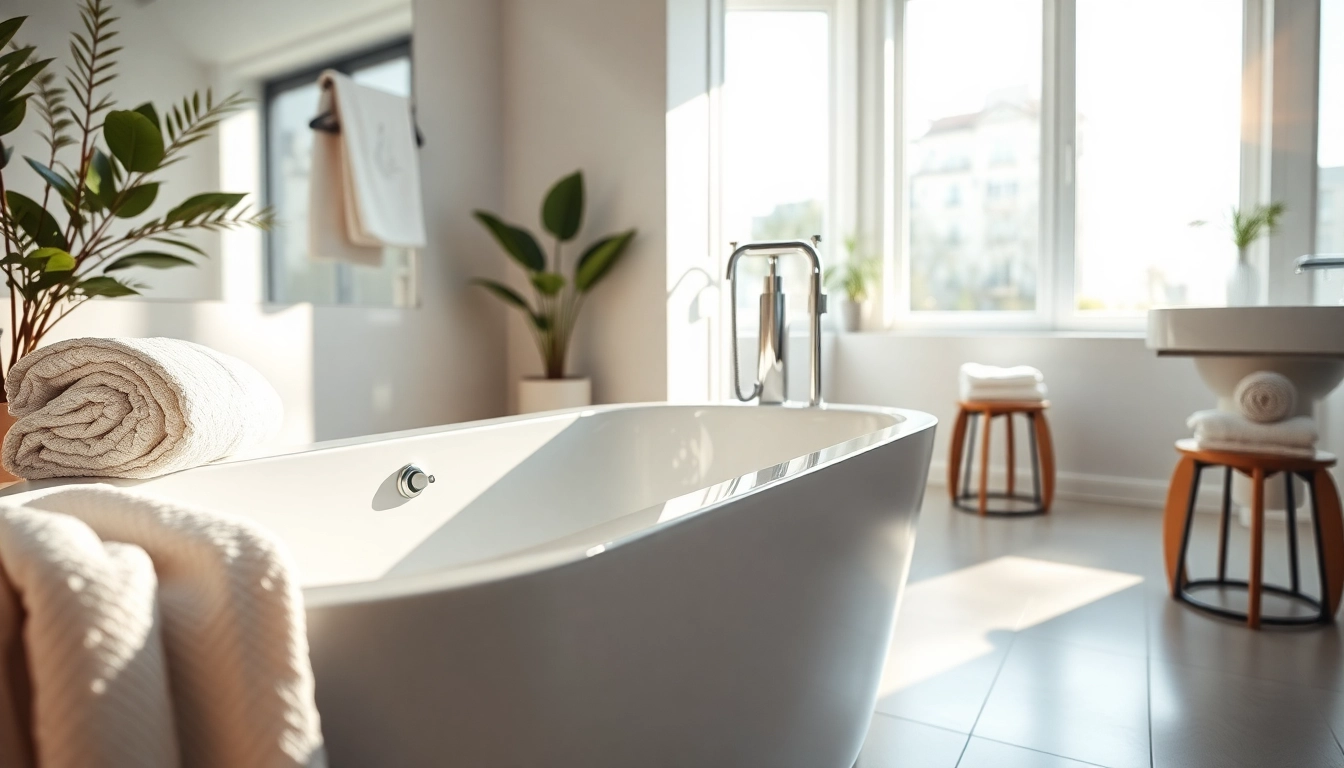
Understanding Bath Supply and Installation
Bathroom transformation begins with bath supply and installation, a process that may appear straightforward but involves several intricate components. This article aims to provide a comprehensive breakdown of bath supplies, installation processes, and key considerations every homeowner should keep in mind.
Importance of Quality Bath Supplies
Quality bath supplies are the foundation of any successful bathroom installation project. Using superior materials ensures not only the longevity of installations but also enhances the overall aesthetic and functionality of the space. High-quality fixtures can withstand wear and tear, reducing the need for frequent repairs. Components like faucets, bathtubs, and tiles directly influence water efficiency, durability, and ease of maintenance.
Common Types of Installations
Understanding the various types of installations is crucial for planning your project effectively. Common types include:
- Standard Bathtub Installation: This involves traditional in-ground bathtubs typically found in most homes.
- Walk-in Tubs: Ideal for accessibility, these tubs feature low thresholds for easy entry.
- Shower-Bath Combos: These multifunctional fixtures are increasingly popular for saving space.
- Freestanding Tubs: A stylish option that can serve as a centerpiece in modern bathrooms.
Essential Tools and Materials
Before commencing installation, ensuring you have the appropriate tools and materials is essential. Key tools typically include:
- Wrench
- Pipe cutter
- Drill
- Level
- Measuring tape
As for materials, consider reliable brands for plumbing fixtures and high-quality tiles to ensure durability and aesthetic appeal.
Planning Your Bath Installation
Pre-Installation Checklist
A thorough pre-installation checklist can prevent common pitfalls. Ensure you have:
- A clear design layout
- Appropriate permits if required
- A planned budget that includes unexpected costs
- Scheduled time for installation
Measuring Your Space Accurately
Accurate measurements are instrumental for a successful installation. Measure the following:
- Width: Space between walls needed for bathtubs and fixtures.
- Height: Ceiling height concerns, especially with tall fixtures.
- Depth: Allowance for plumbing and drainage.
Choosing the Right Supplies
Selecting the right supplies is essential for both functionality and style. Consider:
- Styles that match your bathroom’s overall design
- Materials suited to your local climate (e.g., moisture resistance)
- Energy-efficient fixtures that can conserve water and reduce bills
Step-by-Step Installation Process
Removing Old Fixtures
To start, turn off the water supply. Safely remove old fixtures by following these steps:
- Detach any cover plates and remove screws.
- Use a wrench to disconnect plumbing fixtures carefully.
- Remove old tiles or flooring if necessary.
Installing New Bath Components
With the old fixtures removed, it’s time to install new ones. Ensure the area is clean and prepared, then:
- Follow the manufacturer’s installation instructions closely.
- Install drainage components ensuring they align correctly.
- Secure fixtures properly using adequate tools (check for level).
Testing for Leaks and Proper Functionality
After installation, testing is crucial:
- Turn on the water supply gradually and check for leaks.
- Ensure all fixtures are functioning properly (e.g. water flow, drainage).
- Perform a final cleaning to prepare your bathroom for use.
Cost Factors for Bath Supply and Installation
Average Costs of Bath Supplies
The costs associated with bath supplies can vary widely. On average, a standard bathtub can cost anywhere from $300 to $2000, depending on materials and brand. Other supplies such as faucets, tiles, and plumbing materials also contribute significantly to overall expenses.
Installation Labor Cost Considerations
Labor costs are another major factor. Typically, plumbers charge between $50 to $100 per hour, and installation can range from $200 to $600 based on complexity. Always obtain multiple quotes to ensure fair pricing.
Budgeting Tips for Homeowners
Creating a realistic budget involves:
- Researching average costs in your area.
- Allocating an additional 10-20% for unexpected expenses.
- Purchasing supplies during sales or off-season discounts.
FAQs About Bath Supply and Installation
What supplies are essential for bath installation?
Essential supplies include the bathtub, faucets, connectors, plumbing tools, and waterproofing materials. Choosing durable and high-quality components is vital for long-term performance.
How long does the installation process take?
Typically, bath installation can take anywhere from a few hours to a couple of days depending on the complexity of the project and any additional remodeling tasks involved.
Can I install a bath myself?
While installing a bath yourself may save money, it requires plumbing knowledge and proper tools. Hiring a professional can help avoid costly mistakes and ensure local code compliance.
What costs should I expect during installation?
Expect costs for supplies, labor, any unexpected repairs, and additional materials (like waterproofing or tiling). Always budget for a little extra to avoid surprises.
How do I choose the best bath for my home?
Consider your space, desired style, materials, and budget when choosing a bath. Personal preference should also align with functionality, such as ease of access in a family or elderly-friendly home.