Understanding Fly Fishing Kits
For both novice and seasoned anglers, choosing the right gear is critical for a successful fishing experience. Among the essential items for any fly fishing enthusiast is a well-structured fly fishing kit. These kits typically include various components designed to make the fishing experience more enjoyable and efficient. In this section, we will explore what makes up a basic fly fishing kit, the importance of quality gear, and how to assess your skill level to make informed choices when selecting a kit.
What’s Included in a Basic Fly Fishing Kit?
A basic fly fishing kit is typically designed to provide everything an angler needs to start fishing right away. Key components of a basic kit usually include:
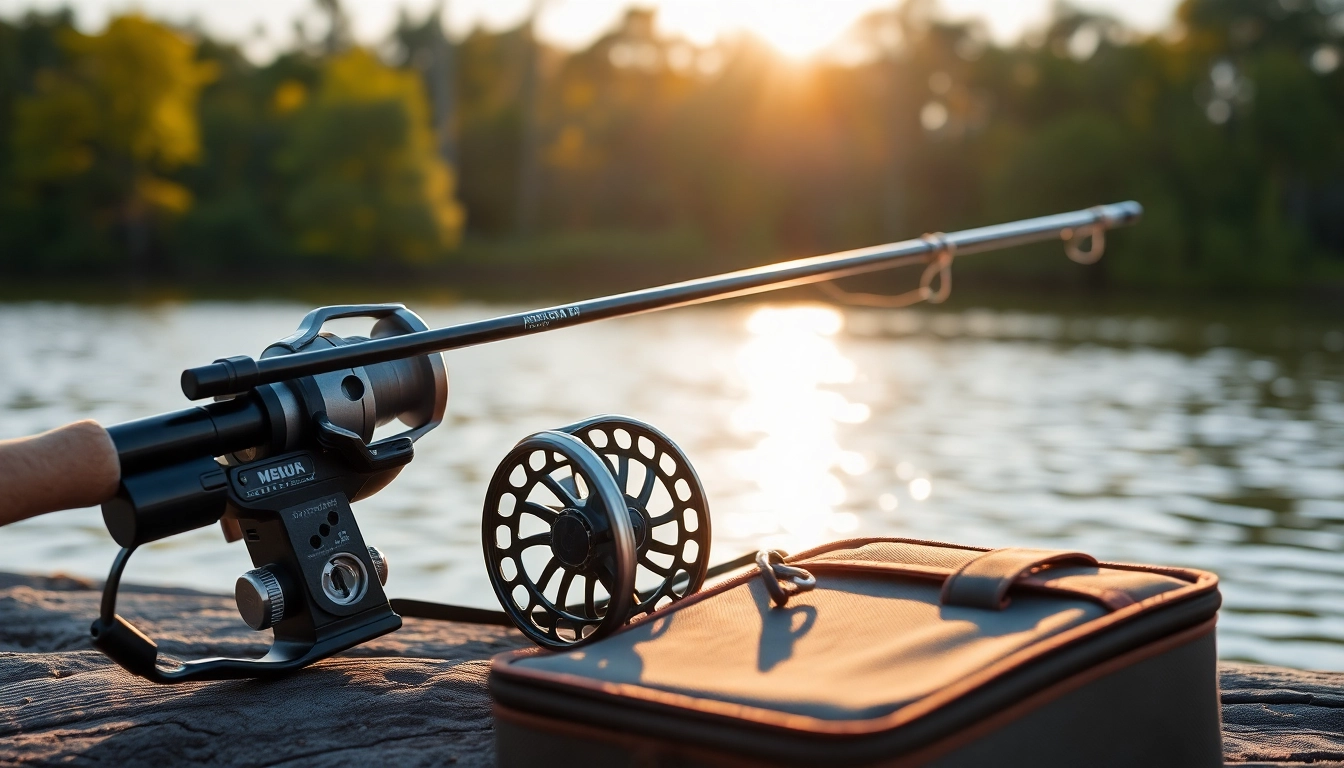
- Fly Rod: The rod is pivotal for casting flies and can vary in length and weight, depending on the fishing environment.
- Fly Reel: This component holds the fishing line and is essential for controlling the line during retrieval.
- Fly Line: This specialized line is heavier than regular fishing line and is designed to carry the fly to the desired location.
- Leaders and Tippet: Leaders connect the fly line to the fly, while tippet is the thin section of line that attaches to the fly itself.
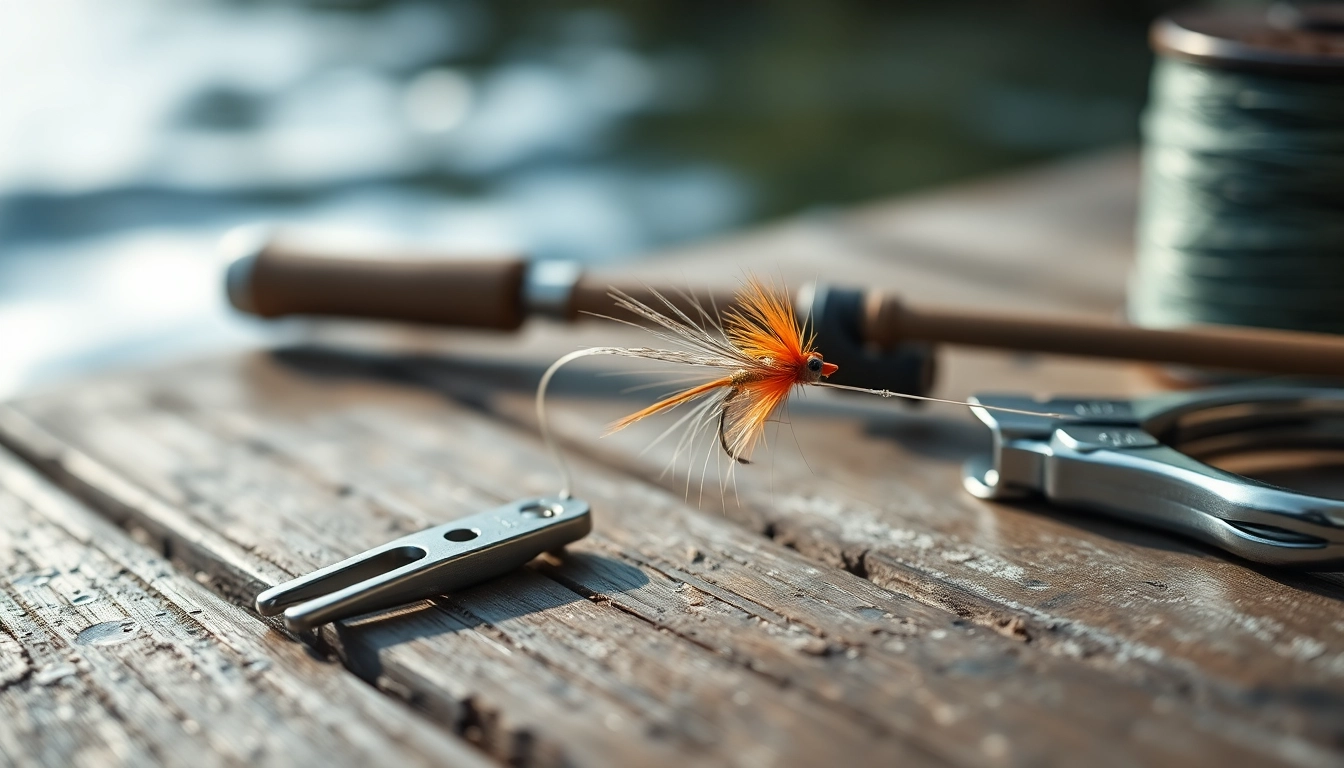
- Flies: These artificial lures mimic the appearance of baitfish or insects and come in various patterns and sizes.
- Accessory Gear: This can include tools like forceps, nippers, floatant, and a fly box for storing your flies.
Understanding these components is crucial for optimal performance on the water and can significantly enhance the angling experience.
The Importance of Quality Gear in Fly Fishing
When it comes to fly fishing, quality gear isn't just a luxury; it’s a necessity. The benefits of investing in high-quality equipment include better performance, enhanced durability, and ultimately, a more enjoyable fishing adventure. Quality rods improve casting accuracy and control, while premium reels provide smoother drag and increased reliability. Furthermore, selecting quality flies ensures better presentation on the water, leading to higher catch rates. In addition to individual performance, high-quality gear can also affect your overall experience, making it more pleasurable and productive.
How to Assess Your Skill Level Before Choosing a Kit
Before diving into the multitude of available fly fishing kits, it’s essential to assess your skill level. Understanding whether you are a beginner, intermediate, or advanced angler will guide you in selecting a kit that best suits your needs:
- Beginner: Look for kits that offer easy-to-use components and guidance materials, allowing you to learn basic casting techniques and knot tying.
- Intermediate: At this level, consider kits that provide high-performance rods and reels, as well as a selection of flies tailored to your fishing conditions.
- Advanced: You may wish to assemble a custom kit, focusing on specific rod and reel brands, high-end flies, and advanced accessories.
By evaluating your skill level, you can make a choice that not only meets your current needs but also allows for progression in your fly fishing journey.
Types of Fly Fishing Kits
The market is flooded with various types of fly fishing kits, catering to the diverse needs of anglers. Whether you're just starting out or looking to refine your technique, there’s a kit tailored for you. Below, we delve into different categories of fly fishing kits to help you make the right choice.
Beginner Fly Fishing Kits: What to Look For
As a novice angler, it’s essential to choose a fly fishing kit that simplifies the learning process. Key features to look for in beginner kits include:
- Pre-assembled Gear: Kits that come fully assembled make it easier for beginners to start fishing right away without getting bogged down by complex setup procedures.
- Instructional Material: Many beginner kits include instructional DVDs or pamphlets that cover casting techniques and fish identification.
- Affordability: Look for reasonably priced kits that offer good quality without overwhelming you with excessive features.
These considerations can ensure that your initial foray into fly fishing is both enjoyable and successful.
Intermediate Kits: Leveling Up Your Fishing Experience
For anglers who have a grasp of the basics and are ready to take their skills to the next level, intermediate fly fishing kits offer upgraded features and components. Here’s what to expect:
- Quality Rods and Reels: Upgraded models typically feature better materials, enhancing casting distance and accuracy.
- Specialized Flies: Intermediate kits often come equipped with a range of flies tailored for different environments and fish species.
- Advanced Accessories: Options like line conditioners and specialized tackle boxes can enhance your overall fishing experience.
Intermediate kits not only improve your carry gear but also educate you about varying techniques and species.
Advanced Fly Fishing Kits: Features and Advantages
Advanced fly fishing kits are designed for the serious angler. These kits offer top-notch components and extensive customization options:
- High-Performance Rods and Reels: Advanced kits feature materials like graphite, ensuring durability and lightweight characteristics.
- Customizable Options: Many advanced anglers prefer to select components separately, allowing for personalized setups tailored to specific fishing locales.
- Premium Flies: Kits may include carefully selected flies that have proven effective for targeting particular species.
Choosing an advanced kit allows anglers to fine-tune their setups according to various fishing scenarios and habitats.
Guidelines for Selecting the Perfect Fly Fishing Kit
With so many options available, selecting the perfect fly fishing kit can seem daunting. However, by following specific guidelines, you can streamline your decision-making process and find a kit that aligns with your objectives.
Matching the Kit to Your Fishing Environment
Your fishing environment plays a crucial role in determining the best fly fishing kit for you. Different environments demand unique gear characteristics:
- Freshwater vs. Saltwater: Ensure the kit you choose is designed for the type of water you’ll be fishing. Saltwater kits often contain corrosion-resistant reels and heavier rods.
- Species Targeting: Different fish species have various feeding habits, requiring specific flies and tackle.
- Water Type: Consider the water clarity and flow. Still waters might require lighter tackle, while fast rivers could call for more durable gear.
Understanding the nuances of your fishing environment can greatly influence your gear selection and overall success.
Budgeting for Your Fly Fishing Kit
Your budget is a significant factor when selecting a fly fishing kit. Prices can vary widely based on brand, materials, and included components. Here are some budgeting tips:
- Set a Clear Budget: Understand how much you're willing to invest and make sure to consider all components of the kit.
- Research and Compare: Look for different brands and compare what each kit offers within your budget.
- Consider Long-Term Investment: Sometimes spending a little more initially on quality gear can save you money in the long run by avoiding frequent replacements.
Having a budget in mind can help you make informed decisions without overspending or settling for less effective gear.
Expert Tips for Making Your Selection
To further aid in your selection process, here are some expert tips that can enhance your choice of a fly fishing kit:
- Seek Reviews and Recommendations: Utilize fishing forums, websites, and local tackle shops to gather insights about the kits you’re considering.
- Test Before You Buy: If possible, try out demo models in-store to gauge the feel and performance before making a purchase.
- Seek Guidance from Experienced Anglers: Learning from the experiences of others can guide you toward the best options for your skill level and preferences.
Approaching your selection with a thoughtful strategy can significantly enhance your fly fishing experience.
Maintaining Your Fly Fishing Kit
Cleaning and Storing Your Gear Properly
Proper cleaning and storage of your gear can help prevent damage and wear:
- Regular Cleaning: Rinse off your reel and rod after each fishing trip, particularly if you fished in saltwater. Remove any debris from the line and flies.
- Safe Storage: Store your gear in a cool, dry place away from direct sunlight. Use protective cases for rods and reels to prevent damage.
- Line Management: Make sure to check for any tangles or kinks in your line regularly, as they can affect casting efficiency.
By taking a proactive approach to maintenance, you can extend the life of your fly fishing kit.
Common Repairs for Fly Fishing Equipment
Even with proper care, gear can sometimes sustain damage. Here are some common repairs and how to address them:
- Reel Issues: If your reel is sticky or hard to crank, it may need lubrication. Consult the manufacturer for guidance on proper maintenance.
- Rod Repairs: If your rod cracks or breaks, you may need to replace sections or even the entire rod. Some manufacturers offer repair services.
- Line Replacement: Regularly check your line for signs of wear, such as fraying or discoloration, and replace it as necessary to maintain casting efficiency.
Being aware of common equipment issues can help you keep your gear in top condition.
Upgrading Your Kit Over Time
As you gain more experience, upgrading your kit can significantly enhance your fishing experience:
- Evaluate Performance: Regularly assess your gear’s performance and identify areas for improvement.
- Invest in Specialized Equipment: Consider adding specific items to your kit that cater to unique fishing conditions or targets.
- Follow Trends: Stay informed about new and improved technologies in fly fishing gear, which can enhance your skills and effectiveness.
Upgrading your kit over time can help you stay engaged with the sport and improve your success rates.
Fly Fishing Kit Usage Tips
Using your fly fishing kit effectively is just as important as having the right gear. In this section, we will explore techniques and strategies to maximize your success on the water.
Techniques for Casting and Catching
Mastering the casting technique is crucial for fly fishing success. Here are some essential tips:
- Practice the Basics: Start with the fundamentals of casting, including the overhead cast and roll cast, to ensure accuracy and distance.
- Focus on Timing: Timing is key when letting the fly drop on the water. Practice to develop a feel for when to make your cast.
- Use the Wind: Learn how to cast with the wind, adjusting your techniques based on environmental conditions.
Improving your technique can lead to better presentations and an increased likelihood of attracting fish.
Finding the Best Fishing Spots
Knowing where to fish is just as important as how to fish. Here are tips for locating prime fishing spots:
- Research Local Waterways: Look for lakes, rivers, and streams known for their trout or other species that interest you.
- Observe Conditions: Fish are often found in specific areas based on weather, season, and water temperature; being aware of these can lead to successful outings.
- Utilize Online Resources: Websites and apps focused on fishing conditions can provide real-time data on water conditions and fish activity levels.
Understanding where to direct your efforts can result in more successful fishing trips.
Understanding Local Regulations and Safety
Before heading out, being aware of local regulations regarding fishing is essential. Here are some crucial points:
- Licensing Requirements: Always ensure you have the necessary licenses and permits for the area in which you intend to fish.
- Catch Limits and Restrictions: Be aware of local regulations regarding catch limits, seasonal closures, and specific tackle restrictions.
- Safety Practices: Always prioritize safety; wear appropriate gear, stay hydrated, and familiarize yourself with the weather conditions before heading out.
Meeting legal requirements and prioritizing safety ensures a responsible and enjoyable fishing experience.