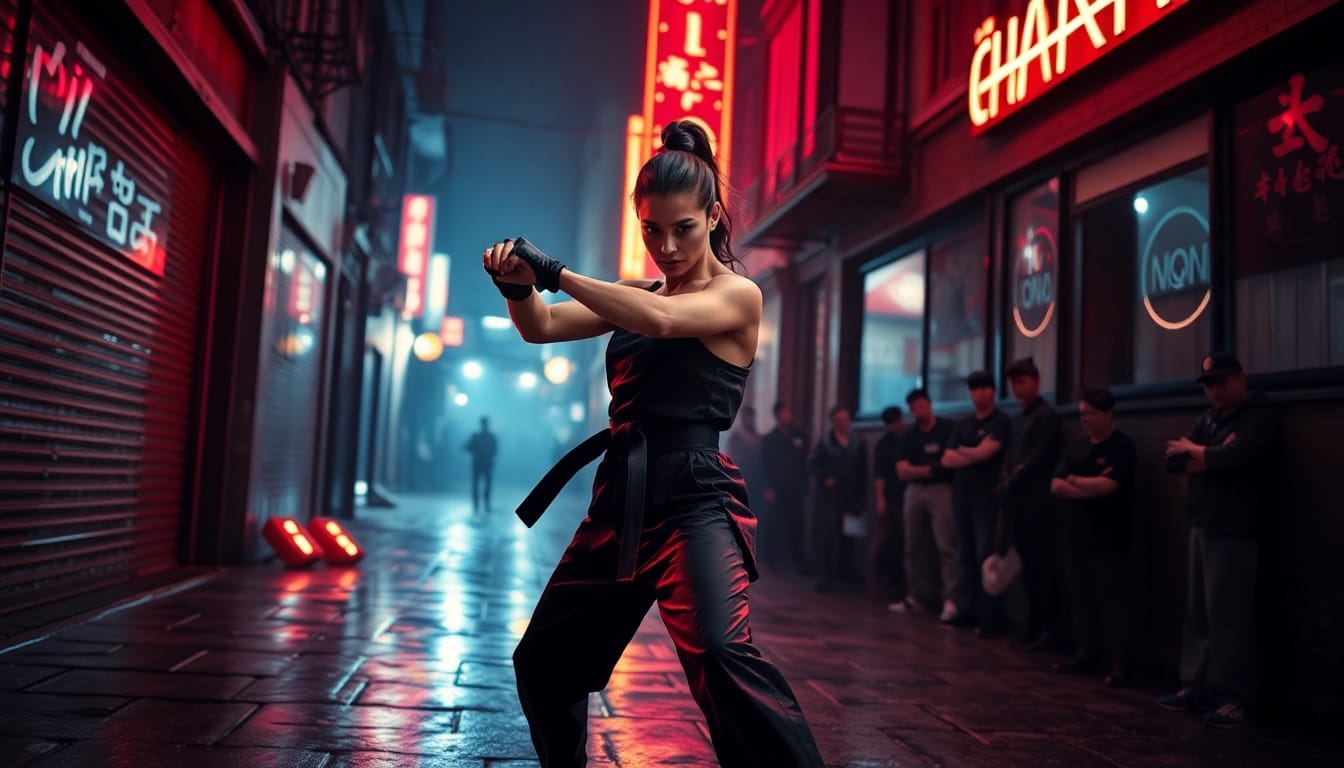
Understanding the Martial Arts Thriller Genre
The mix of martial arts and the suspenseful twists of a thriller creates a unique cinematic experience that has captivated audiences for decades. Martial Arts Thriller films encapsulate a blend of athleticism, choreography, and intricate storytelling. This article delves into the depth of this genre, exploring its key elements, popular themes, and iconic films that have influenced its evolution.
Defining Key Elements of Martial Arts Thrillers
At their core, martial arts thrillers are defined by several key components that set them apart from standard action or drama films. These elements often include:
- Fight Choreography: A cornerstone of martial arts thrillers, fight choreography is crafted to be as visually stunning as it is effective. This includes various martial arts styles, each bringing its own flavor to the battles.
- Storyline: Unlike pure action films which prioritize physical confrontations, martial arts thrillers integrate complex narratives that often involve personal stakes, revenge plots, or moral dilemmas.
- Character Development: These films invest in character arcs, allowing both protagonists and antagonists to grow, creating emotional engagement for the audience.
- Cultural Elements: Many martial arts thrillers draw on Eastern philosophies or the traditions associated with specific martial arts, adding depth to the film's themes and characters.
Exploring Popular Themes and Tropes
Martial arts thrillers frequently explore themes that resonate deeply with audiences. Common tropes include:
- The Underdog: Many stories center around a protagonist who, despite overwhelming odds, rises to the challenge, often leading to exciting twists and a satisfaction in their ultimate victory.
- Betrayal and Revenge: Characters often face betrayal by those close to them, prompting intense quests for vengeance that keep viewers at the edge of their seats.
- Redemption: Protagonists often seek redemption for past wrongs, using their martial arts skills to right the wrongs they’ve committed or to protect the innocent.
Highlighting Iconic Films and Their Influence
Iconic films have shaped the martial arts thriller genre, setting the stage for future productions. Notable examples include:
- Enter the Dragon (1973): Bruce Lee's seminal film that not only showcased martial arts but added layers of drama and intrigue.
- The Raid: Redemption (2011): Known for its visceral fight scenes and tight storytelling, this film has influenced modern action choreography around the world.
- Crouching Tiger, Hidden Dragon (2000): This groundbreaking film married romance with thrilling action, showcasing the emotional depth that can be achieved in martial arts narratives.
Character Development in Martial Arts Thrillers
Character development is critical in martial arts thrillers, where viewers expect to forge emotional connections with the characters they encounter. This section explores how creators can effectively build this connection.
Creating Compelling Protagonists and Antagonists
In martial arts thrillers, protagonists are often defined by their training, motivation, and moral compass. To create compelling protagonists:
- Backstory: A well-rounded backstory can give depth to a character's motivations, such as the loss of a loved one or a quest for justice.
- Flaws: Flaws make characters relatable. Protagonists might struggle with inner demons or past mistakes threatening their mission.
- Dynamic Antagonists: Antagonists should not merely be evil. They often embody traits that challenge the protagonists, making them complex characters that embody opposing philosophies.
Examining Character Arcs and Growth
The journey of the characters is essential in engaging the audience. A well-structured character arc allows for growth through adversity:
- Transformation: Characters must evolve, often overcoming their own limitations to defeat their enemies or achieve their goals.
- Supporting Cast: Great characters are often supported by a cast that challenges them or helps in their growth, providing additional layers of richness to the narrative.
The Importance of Supporting Characters
While protagonists take center stage, supporting characters provide essential depth and context to the narrative. They can:
- Serve as Mentors: Mentors offer guidance, imparting wisdom or combat skills, which are crucial for the protagonist's journey.
- Provide Comic Relief: In tone-heavy films, light-hearted supporting characters can offer moments of levity, balancing intense themes.
- Enhance Stakes: Supporting characters often have their own stakes involved in the narrative, creating emotional ties that resonate with the audience.
Cinematography and Visual Storytelling
Cinematography plays a pivotal role in elevating martial arts thrillers from standard action films to masterpieces of visual storytelling. This section examines key techniques filmmakers employ to bring these narratives to life.
Techniques for Captivating Fight Choreography
Fight choreography requires meticulous planning and creativity. Effective choreography can make or break a martial arts thriller:
- Fluid Movements: The use of fluid camera work paired with well-timed choreography enhances the visceral nature of fight scenes.
- Variety of Styles: Different martial arts styles should be showcased to give each fight a distinct character, whether it’s kickboxing or jiu-jitsu.
- Slow Motion: Employing slow motion during pivotal moments can magnify the intensity of a confrontation, allowing audiences to absorb critical moments.
Color Grading and Lighting for Mood
The atmosphere of a martial arts thriller can be deeply impacted by color grading and lighting. Directors frequently use these techniques to evoke emotions:
- Color Palettes: Darker color palettes can create suspense, while vibrant colors can amplify excitement in fight sequences.
- Lighting Highlights: Strategic lighting can accentuate key moments in scenes, drawing attention to important actions or emotions.
Incorporating Symbolism and Visual Metaphors
Visual storytelling extends beyond the narrative; it engages viewers on a deeper level through symbolism:
- Cultural Symbols: Integrating cultural elements from martial arts backgrounds can enrich the narrative, creating layers of understanding.
- Visual Metaphors: Elements such as a crumbling dojo could symbolize a lost art or tradition, adding depth to the protagonist’s struggles.
Building Suspense and Tension
Suspense and tension are critical elements in any thriller, especially within martial arts narratives that often hinge on life-and-death stakes. This section discusses techniques for effectively building these elements.
Effective Use of Pacing and Timing
Pacing is integral in maintaining audience engagement. Directors can manipulate pacing to craft suspense:
- Contrast in Timing: Alternating between fast-paced action sequences and slow, deliberate moments can heighten tension, allowing viewers to catch their breath yet keep them on the edge of their seats.
- Climactic Moments: Build up to fight scenes, using pacing to tease what’s coming, thereby elevating the impact of the ensuing conflict.
Sound Design’s Role in Enhancing Thrills
Sound design is a powerful tool in martial arts thrillers. It enhances tension and creates an immersive experience:
- Sound Effects: Crisp sound effects during fight scenes can create a visceral connection to the action, making each hit feel more impactful.
- Music Scores: An emotional or tense score can escalate a fight, driving the narrative forward and heightening emotional stakes.
Strategies for Climactic Fight Scenes
The climax of any martial arts thriller often hinges on an epic showdown, and several strategies can enhance its effectiveness:
- Stakes: Clearly establishing what’s at stake for both characters involved in the fight can create more engagement.
- Unexpected Twists: Incorporating unexpected twists can keep viewers engaged, heightening excitement and making the resolution more satisfying.
Marketing and Audience Engagement for Martial Arts Thrillers
Crafting a successful martial arts thriller is only part of the equation; marketing is equally important in reaching the intended audience. This final section discusses effective strategies for marketing these films.
Identifying Target Audiences
Understanding the target audience is crucial in marketing martial arts thrillers. Different demographics may respond uniquely:
- Action Enthusiasts: Primary audience segments often include fans of action and martial arts films looking for intense fight sequences.
- Cultural Contexts: Films that explore cultural narratives might engage audiences interested in that culture.
Utilizing Social Media for Promotion
Social media platforms can significantly enhance engagement, promotion, and audience building:
- Teasers and Trailers: Sharing teaser clips or trailers can build anticipation and create buzz around the film’s release.
- Interactive Content: Engaging audiences through quizzes, behind-the-scenes content, or cast interaction can stimulate interest and investment in the film.
Effective Trailer and Poster Design Tips
Lasting first impressions can sway potential viewers. The design of trailers and posters should embody the film’s essence:
- Visually Striking Posters: Posters should incorporate dynamic imagery that conveys the energy of the film, drawing in audiences.
- Trailer Structure: A well-structured trailer should encapsulate action and tension while also hinting at the storyline without revealing too much.