Understanding Our Children's Vision
What is Our Children's Vision?
Our Children's Vision is an initiative that focuses on ensuring that children, regardless of their background, have access to quality eye care. Rooted in the belief that every child deserves the right to see clearly, the program serves as a comprehensive approach to tackle the growing issue of vision impairment among children globally. The campaign mobilizes resources, awareness, and partnerships to establish sustainable eye health initiatives targeting children and adolescents. Its overarching goal is to unite various stakeholders, including health professionals, educators, and families, to collaboratively safeguard children's visual health.
The importance of this initiative cannot be understated; according to multiple studies, millions of children worldwide suffer from undiagnosed and untreated visual problems. Conditions such as refractive errors, amblyopia, and other vision impairment are not only common but often go unnoticed until they significantly affect a child's quality of life. The Our Children's Vision initiative aims to fill this gap through awareness-raising campaigns, educational efforts, and by providing necessary resources to facilitate proper eye care.
The Importance of Children's Eye Health
The health of a child's vision is integral to their overall development and learning. Research indicates that almost 80% of what a child learns in school is visual; thus, any impairment in vision can hinder educational achievement and personal growth. Proper vision not only affects a child's academic capabilities but also has implications for their social interactions and psychological well-being. Children with clear visual acuity are more likely to engage in physical activities, learn effectively, and develop healthy social skills.
Moreover, the early detection of eye disorders through routine screenings is essential for preventing long-term vision problems. As children grow, their vision needs evolve, and timely interventions can lead to successful outcomes, fostering a more productive future for these young individuals.
Goals and Objectives of Our Children's Vision
The primary goals of Our Children's Vision include:
- Raising Awareness: To inform communities about the significance of regular eye exams and the prevalence of childhood vision issues.
- Enhancing Access: To improve access to eye care services for underserved populations.
- Quality of Care: To ensure that all children receive comprehensive eye examinations and appropriate treatment.
- Collaboration: To foster partnerships among health care professionals, educators, parents, and community leaders.
- Advocacy: To influence policies that prioritize children's eye health on a national and global scale.
Challenges in Child Eye Care
Access and Availability of Services
One of the most pressing challenges in child eye care is the lack of access to comprehensive eye care services, particularly in low-income and rural areas. Many families face financial or logistical barriers that prevent them from obtaining necessary screenings and treatment. Furthermore, in regions where vision care infrastructure is weak, qualified health professionals may be scarce, leading to delays or inadequate services. Mobile screening units and technology-driven solutions can help mitigate these barriers by bringing essential services directly to communities. Moreover, innovative partnerships with local schools and health organizations can enhance outreach efforts.
Awareness and Education on Eye Health
An absence of awareness regarding the importance of eye health is another significant hurdle. Many parents and caregivers are not informed about the necessity of regular vision screenings and the signs indicating potential vision problems. Education campaigns aimed at dispelling myths and providing factual information about eye health can empower parents to seek care for their children. Workshops, seminars, and the utilization of digital media can be effective strategies for raising awareness and educating the public about visual health issues.
Common Eye Disorders in Children
Several common eye disorders significantly affect children's vision and learning abilities. These include:
- Refractive Errors: Such as myopia (nearsightedness), hyperopia (farsightedness), and astigmatism, which can easily be corrected with glasses or contact lenses.
- Amblyopia: Often referred to as lazy eye, this condition occurs when one eye fails to achieve normal visual acuity, requiring early detection and treatment.
- Strabismus: This eye misalignment can result in double vision or poor depth perception, impacting a child's ability to coordinate their vision.
- Congenital Disorders: Conditions present from birth, including cataracts and retinopathy of prematurity, which may require surgical intervention.
Our Children's Vision Initiatives
Community Engagement and Outreach Programs
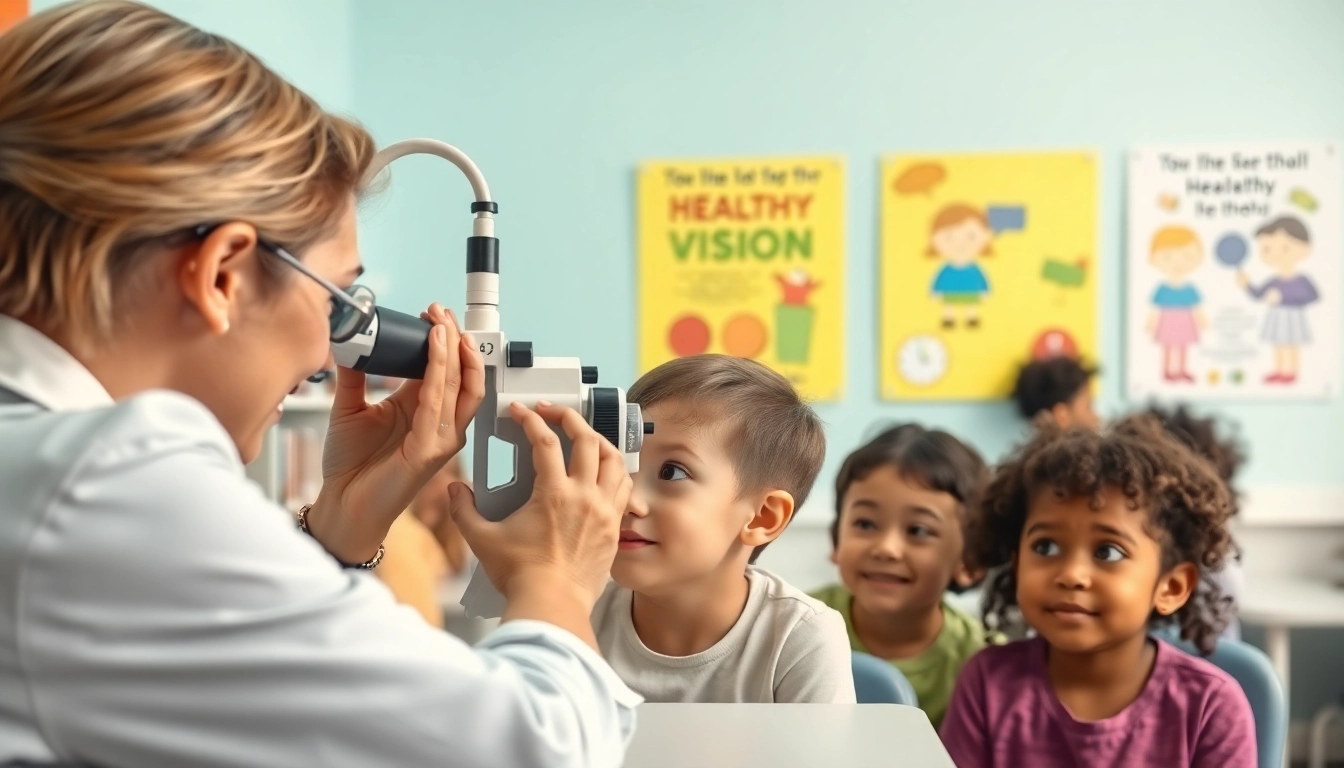
Effective community engagement is pivotal to the success of initiatives like Our Children's Vision. By targeting communities through local outreach programs, the initiative can foster relationships that lead to meaningful change. These programs often include free eye screenings, educational workshops, and partnerships with schools to ensure that children receive routine vision assessments.
Engaging community leaders, local health organizations, and advocacy groups can further enhance the impact of these initiatives. By drawing together various segments of the community, the program can create a unified front to address the need for improved child eye care. Educating community members about early signs of vision problems and the importance of eye health can significantly empower families to seek help.
Partnerships for Improved Eye Care
Collaborative efforts between organizations are essential in expanding the reach of eye care services for children. Partnerships among healthcare providers, educational institutions, and local governments can lead to innovative solutions and resource sharing. For instance, working with schools to incorporate vision screenings into health assessments can facilitate early detection of eye disorders among students. These partnerships can also help mobilize funding, access to volunteers, and professional networks crucial for implementing eye care initiatives successfully.
Advocacy for Policy Changes
Advocacy plays a crucial role in driving systemic changes needed for enhancing children's eye health. By influencing policy on a local, national, and global scale, advocates can ensure that vision health becomes a priority in children's healthcare agendas. This includes pushing for comprehensive eye care coverage in health insurance plans and advocating for mandatory vision screenings in schools. Building alliances with policymakers, public health officials, and child advocacy organizations can bolster efforts to instigate meaningful policy changes.
Best Practices for Promoting Eye Health
Regular Eye Screening Recommendations
Regular vision screenings are critical for early detection and management of eye disorders. The recommendation is that children should have their first comprehensive eye exam at the age of one, followed by additional screenings at ages three and before entering school. After entering school, children should have their vision checked every one to two years to monitor any changes in vision.
Encouraging Healthy Visual Habits
In addition to regular screenings, promoting healthy visual habits is vital. Parents and caregivers can encourage children to take breaks from screens, practice the 20-20-20 rule—looking 20 feet away for 20 seconds every 20 minutes of screen time—and ensure outdoor playtime, which can be protective against developing myopia. Teaching children to maintain proper distances from screens and ensure good lighting conditions while reading can also contribute to better eye health.
Using Technology for Better Eye Care
Leveraging technology can change the landscape of child eye care significantly. Telemedicine consultations can connect families with eye care specialists, especially in underserved or rural areas. Additionally, employing apps that remind parents when their children should have eye exams can help ensure consistent eye care. Moreover, educational apps that teach children about the importance of eye health through interactive and engaging content can enhance their understanding of visual health.
Measuring Impact and Success
Tracking Eye Health Improvements
To ascertain the effectiveness of initiatives such as Our Children's Vision, tracking eye health improvements through data collection and analysis is essential. This can be achieved by establishing metrics that monitor the incidence rate of children receiving comprehensive eye exams, the number of interventions needed, and the overall improvement in children’s visual health. Utilizing surveys and feedback tools post-screenings can also help gauge community awareness and engagement.
Feedback from Community Programs
Collecting feedback from community programs can provide insight into what strategies are working and which require adjustments. Regular evaluations allow stakeholders to understand the impact of their efforts and refine their approaches accordingly. Establishing a feedback loop with local families, educators, and health care providers can yield invaluable information that drives the ongoing development of eye health initiatives.
Future Goals for Our Children's Vision
Looking forward, the goals for Our Children's Vision must remain ambitious and responsive to evolving challenges in child eye care. Expanding the reach of educational campaigns to more communities, increasing accessibility to affordable eye care, and advocating for stronger policy support will be critical for future successes. Additionally, harnessing the potential of technology to facilitate innovative solutions and fostering meaningful collaborations among diverse stakeholders are necessary steps in providing all children with access to quality eye care. By setting clear, measurable goals, the initiative can continuously adapt to meet the needs of children and families effectively.