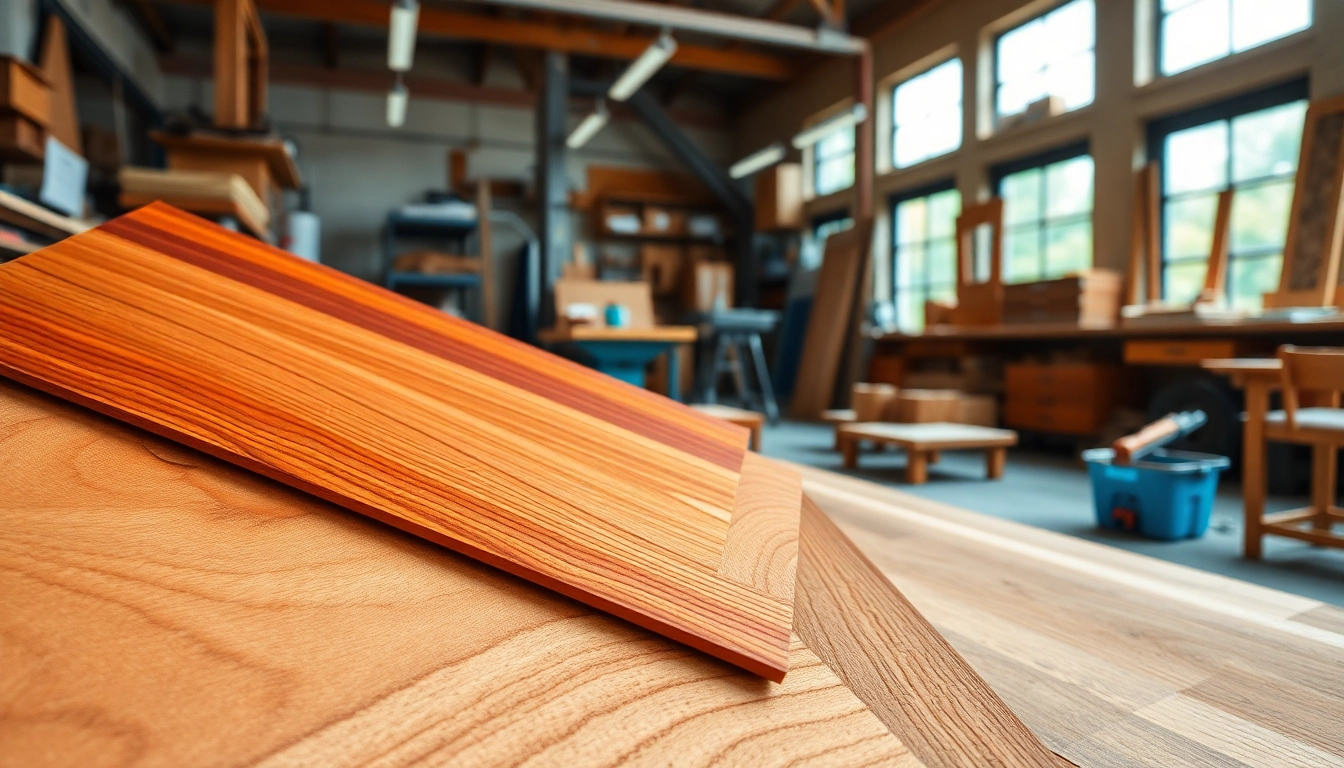
Understanding Wood Veneer and Its Benefits
What is Wood Veneer?
Wood veneer is a thin layer or slice of wood that is typically less than 3 mm thick. It is used for a variety of applications, providing the rich aesthetic of solid wood while being more cost-effective and environmentally friendly. The process of producing wood veneer can involve slicing or peeling larger logs to create these thin sheets. This technique not only conserves precious timber resources but also allows for stunning grain patterns and finishes that can enhance any interior space. As a versatile material, wood veneer is favored in furniture making, cabinetry, and wall paneling.
Advantages of Using Wood Veneer
The use of wood veneer in design and furniture has several significant advantages:
- Cost-Effectiveness: Wood veneer offers the appearance of solid wood at a fraction of the cost.
- Environmental Sustainability: It utilizes fewer resources than solid wood, helping to preserve forests.
- Design Flexibility: Available in various species and grain patterns, it allows for limitless design possibilities.
- Stability: When applied correctly, wood veneer is less likely to warp or crack than solid wood.
- Lightweight: It is significantly lighter, making it easier to transport and work with during projects.
Common Applications of Wood Veneer
Wood veneer has a vast range of applications across different sectors, including:
- Furniture: Used in tabletops, cabinets, and seating, providing high-end aesthetics.
- Interior Design: Applied on walls, ceilings, and decorative elements to enhance a room's ambiance.
- Musical Instruments: Integral in the construction of pianos and guitars for a rich sound quality and aesthetic appeal.
- Architectural Features: Employed in doors and moldings to elevate the overall design of spaces.
Choosing the Right Wood Veneer for Your Project
Factors to Consider When Selecting Wood Veneer
Choosing the right wood veneer requires consideration of various factors to ensure it meets your project requirements. Some key aspects include:
- Wood Species: Different species offer unique grain patterns and colors, which affect the overall look.
- Thickness: Veneers come in multiple thicknesses, influencing the durability and application.
- Grain Direction: The orientation of the grain can impact the final appearance after staining or finishing.
- Pattern Matching: For larger areas, ensuring a seamless pattern can enhance visual appeal.
- Finishing Requirements: Some veneers might need specific types of finishes to achieve desired results.
Understanding Different Types of Wood Veneers
Wood veneers can be categorized into several types, each serving distinct purposes:
- Natural Veneer: Made from real wood, preserving the original grain and color.
- Reconstituted Veneer: Crafted from wood fibers, it offers uniform appearance and is eco-friendly.
- Backed Veneer: Features a backing material for added stability, which is beneficial during application.
- Dyed Veneer: Color-treated to achieve specific shades, allowing creative freedom.
Matching Wood Veneer with Interior Design Styles
Effectively matching wood veneer to interior design styles can elevate any space:
- Modern: Sleek veneers with minimal grain patterns work well in contemporary spaces.
- Rustic: Choose rough-hewn or distressed veneers to complement farmhouse aesthetics.
- Classic: Rich, dark veneers can enhance traditional themes, bringing warmth and elegance.
- Minimalist: Lighter veneers can aid in creating airy, uncluttered environments.
Wood Veneer Application Techniques
Best Practices for Applying Wood Veneer
Applying wood veneer can be a meticulous process, and adhering to best practices will yield superior results:
- Surface Preparation: Ensure the substrate is clean, smooth, and free from debris.
- Glue Application: Use the appropriate adhesive for the type of veneer and substrate; spread evenly.
- Pressure Application: Employ clamps or a veneer press to secure the veneer in place during drying.
- Trimming: Once dried, trim excess veneer carefully to achieve clean edges.
Tools Required for Wood Veneer Application
Having the right tools is essential for a successful wood veneer application. Common tools include:
- Utility Knife: For trimming excess veneer and shaping edges.
- Veneer Press: Ensures even pressure during drying, ideal for larger sheets.
- Brush or Roller: For applying glue uniformly across surfaces.
- Clamp Sets: Handy for securing veneer to the substrate as it sets.
Common Mistakes to Avoid When Using Wood Veneer
To achieve the best results, avoid these common mistakes:
- Skipping Surface Preparation: Inadequate surface cleaning can compromise adhesion.
- Incorrect Glue Use: Using the wrong adhesive can lead to separation over time.
- Neglecting Corner Matching: Failing to align patterns can create an unprofessional look.
- Underestimating Drying Time: Rushing this step can result in bubbling or peeling veneer.
Maintaining and Caring for Wood Veneer
Cleaning Wood Veneer Surfaces
Proper cleaning techniques can maintain the beauty of wood veneer:
- Dusting: Use a soft, dry cloth regularly to dust surface and prevent buildup.
- Cleaning Solution: Mix mild soap with water; use a damp cloth, not soaking the surface.
- Avoid Harsh Chemicals: Steer clear of products with abrasive agents that can damage finishes.
Repairing and Refinishing Wood Veneer
Damage can occur; however, there are effective ways to repair and refinish wood veneer:
- Scratch Repair: Use a matching wood filler or crayon to fill in scratches gently.
- Refinishing: Lightly sand the surface and apply a new coat of polyurethane for protection.
- Replacement: In cases of extensive damage, consider replacing the affected veneer area entirely.
Preserving the Longevity of Wood Veneer
To ensure that wood veneer lasts for years, follow these tips:
- Humidity Control: Maintain consistent humidity levels to prevent warping or cracking.
- Avoid Direct Sunlight: Shield from prolonged exposure to sunlight to prevent fading.
- Regular Maintenance: Schedule routine inspections and cleanings to spot potential issues early.
Innovative Trends in Wood Veneers
Eco-Friendly Wood Veneer Options
The demand for sustainable materials has led to innovative eco-friendly wood veneers. These options include:
- Reclaimed Wood Veneer: Sourced from old buildings or furniture, it brings unique character while being environmentally responsible.
- Bamboo Veneer: A rapidly renewable resource that offers a modern aesthetic.
- Low-VOC Veneers: Adhesives that emit fewer volatile organic compounds, promoting healthier indoor air quality.
Technology in Wood Veneer Manufacturing
Technological advancements are enhancing wood veneer production, introducing methods like:
- CNC Cutting: Allows precision cuts for intricate designs and patterns.
- Digital Printing: Enables patterns and colors to be applied directly to veneers for customization.
- Automated Finishing: Streamlines the finishing process, ensuring consistency and quality.
Future Trends Shaping Wood Veneer Design
As design trends evolve, so does the use of wood veneer. Future trends include:
- Sustainable Designs: Increased focus on eco-friendly products that balance aesthetics and environmental impact.
- Multifunctional Applications: Innovations that integrate veneer into furniture designs with hidden functions.
- Visual Textures: Enhanced textures that add depth and interest to wood veneers, influencing modern design.
Frequently Asked Questions
What is the best way to clean wood veneer?
Use a soft dry cloth for regular dusting. For deeper cleaning, mix mild soap with water, using a damp cloth—avoid soaking the surface.
Can wood veneer be restored?
Yes, wood veneer can be restored. Light sanding and refinishing can revive its look. Major damages may require replacement of the affected area.
How long does wood veneer last?
With proper care, wood veneer can last for decades, particularly if protected from direct sunlight and humidity fluctuations.
Is wood veneer eco-friendly?
Yes, wood veneer can be eco-friendly, especially when sourced from sustainable forests or reclaimed materials, minimizing waste.
Can I apply wood veneer myself?
Yes, with the right tools and techniques, wood veneer can be applied by DIY enthusiasts. Following best practices ensures quality results.