Understanding Structural Steel Welding
What is Structural Steel Welding?
Structural steel welding is a critical process in the construction and manufacturing industries, used to join steel components and create strong, durable structures. It involves the application of heat to weld pieces of steel together, ensuring that connections can withstand various forces without failure. This method is particularly valuable due to the high strength-to-weight ratio of steel, allowing for both lightweight structures and significant structural integrity. In many applications, structural steel welding is preferred for its effectiveness and efficiency.
Key Benefits of Structural Steel Welding
There are numerous advantages to using structural steel welding in construction and manufacturing:
- High Strength-to-Weight Ratio: Steel's inherent properties make it perfect for applications requiring a strong yet lightweight material.
- Cost-Effectiveness: Welding is often more economical than bolting, reducing overall project costs.
- Design Flexibility: Welded steel can be molded into complex designs, accommodating innovative architectural styles.
- Speed of Construction: Welding is typically faster than alternative methods, allowing for quick assembly of structures.
- Durability: Welded joints can resist many forms of stress and are less likely to require maintenance over time.
Common Applications and Industries
Structural steel welding finds its place across various sectors:
- Construction Industry: Used in buildings, bridges, and infrastructure due to its strength and adaptability.
- Manufacturing: Critical in producing machinery and equipment, where reliability is paramount.
- Shipbuilding: Essential for constructing hulls and other components that must withstand harsh marine environments.
- Aerospace: Utilized in aircraft structures that require lightweight yet strong materials.
- Automotive: Employed in the manufacturing of chassis and frame components for vehicles.
Types of Welding Processes for Structural Steel
MIG vs. TIG Welding: Pros and Cons
When considering welding processes for structural steel, two of the most common techniques are MIG (Metal Inert Gas) and TIG (Tungsten Inert Gas) welding. Each method has its specific advantages and suitable applications:
MIG Welding
MIG welding is known for speed and ease of operation. It uses a continuously fed wire electrode and a shielding gas to protect the weld pool from contamination.
- Advantages: Fast processing speeds, easy to learn, suitable for various materials.
- Disadvantages: Less control over the weld pool compared to TIG, creating a risk of defects in critical applications.
TIG Welding
TIG welding provides a higher level of control and precision. It uses a non-consumable tungsten electrode and is suitable for thinner metals and intricate welds.
- Advantages: High-quality welds, greater control, suitable for welding alloys.
- Disadvantages: Slower process, requires more skill and practice, generally more expensive due to slower speeds.
Choosing the Right Welding Technique
Choosing between MIG and TIG welding depends on several factors, including:
- Material Type: Different metals may necessitate different welding techniques.
- Thickness of Material: Thicker materials typically benefit from MIG, while thinner materials may be better suited for TIG.
- Required Weld Strength: Critical applications may demand the precision and quality of TIG welding.
Ultimately, understanding the specific needs of a project is key to selecting the appropriate welding method.
Safety Protocols in Structural Steel Welding
Essential Personal Protective Equipment
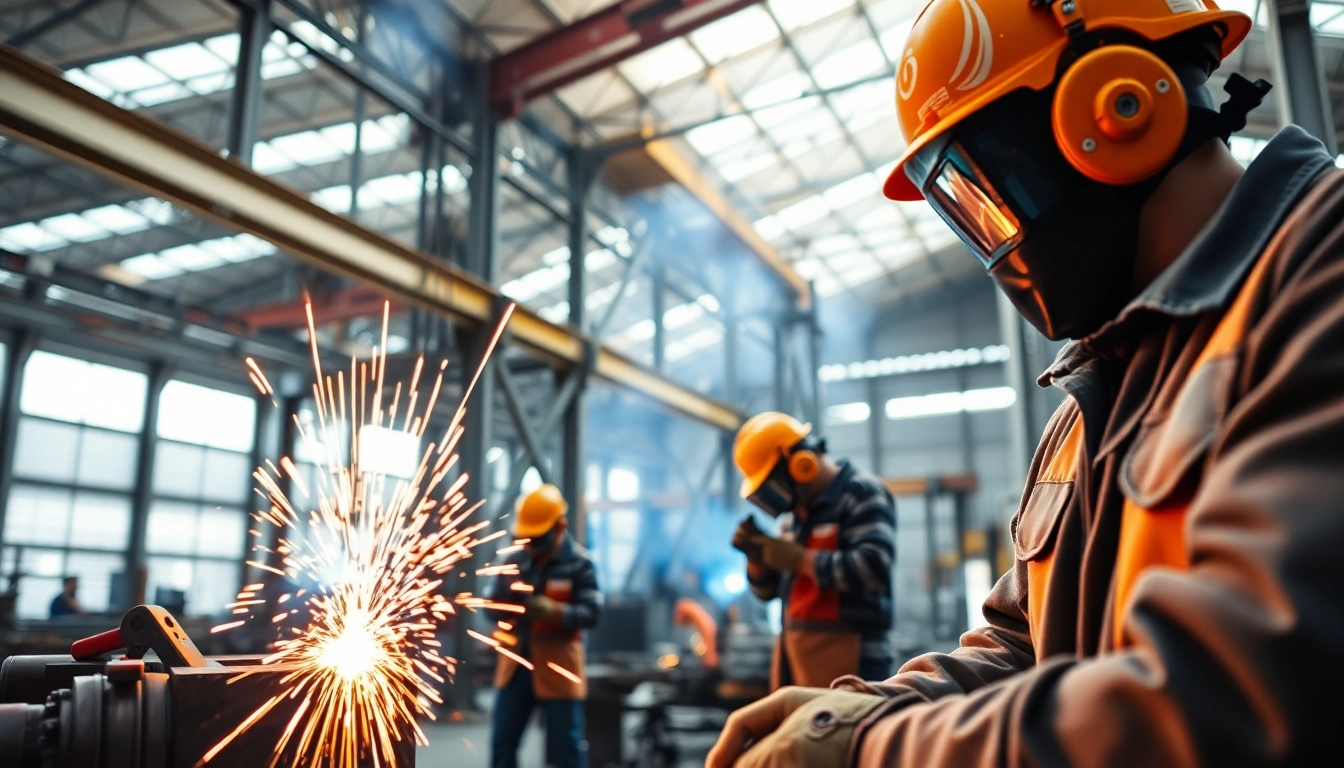
Welders are exposed to various hazards, making the right personal protective equipment (PPE) crucial. Essential gear includes:
- Welding Helmets: Protect eyes and face from harmful UV light and sparks.
- Gloves: Insulated gloves protect hands and improve grip on tools.
- Flame-Resistant Clothing: Prevent burns and injuries from sparks and hot metal.
- Proper Footwear: Heavy-duty boots protect feet from falling objects and hot materials.
Hazards and Precautions in the Workplace
The welding environment poses several risks, including:
- Fumes and Gases: Produce toxic fumes; ensure proper ventilation to mitigate exposure.
- Heat and Sparks: Risks of fire; maintain a clutter-free workspace and keep flammable materials away.
- Electrical Hazards: Ensure all equipment is properly grounded and maintained.
Best Practices for Safe Operations
Implementing best practices ensures a safer work environment:
- Conduct regular safety training for all personnel.
- Perform routine equipment checks to ensure operational safety.
- Establish an emergency response plan and ensure accessibility of safety devices.
Quality Control Measures in Structural Steel Welding
Importance of Welding Inspections
Welding inspections are crucial in maintaining safety and structural integrity. Ensuring high-quality welds can prevent catastrophic failures. Regular inspections can help identify issues early, saving costs and enhancing safety.
Testing Methods for Weld Integrity
Various testing methods assess weld quality, including:
- Visual Inspection: Often the first step, checking for obvious defects.
- Non-Destructive Testing (NDT): Techniques like ultrasonic or radiographic testing assess the internal quality of welds without damage.
- Destructive Testing: Involves breaking samples to test for tensile strength and ductility.
Standards and Certifications to Consider
Adhering to standards such as those set by the American Welding Society (AWS) ensures that welding practices meet required quality benchmarks. Certifications like ISO 3834 also provide assurance of quality management in welding processes.
Future Trends in Structural Steel Welding
Automation and Robotics in Welding
The integration of automation and robotics in welding processes is rapidly increasing. Automated welding systems can enhance precision, efficiency, and speed, reducing human errors and increasing weld quality.
Sustainability Practices in Steel Manufacturing
Sustainability becomes crucial as industries seek to reduce their environmental impact. Practices such as using recycled steel and energy-efficient welding technologies are gaining traction. Adopting these methods not only helps the planet but can also lower overall costs for companies.
Emerging Technologies and Techniques
Advancements in technology promise to revolutionize structural steel welding. Techniques like laser welding and additive manufacturing are being explored for their potential to enhance weld quality and efficiency while allowing complex geometries that traditional methods might not support.
FAQs
What materials are commonly used in structural steel welding?
Structural steel welding mainly uses steel alloys, such as carbon steel and stainless steel, suited for durability and strength.
How do I choose the right welding technique?
The choice depends on the project's requirements, including material type, thickness, and desired strength. MIG and TIG are popular for steel.
What safety equipment is essential for welders?
Key safety gear includes welding helmets, gloves, flame-resistant clothing, and proper footwear to protect against hazards.
How can I ensure weld quality?
Perform regular inspections, ensure proper settings on equipment, and use certified materials to maintain high-quality welds.
What are the advantages of structural steel welding?
Benefits include high strength-to-weight ratios, design flexibility, speed of construction, and overall cost-effectiveness for large projects.