Understanding Emergency Blankets
What are Emergency Blankets?
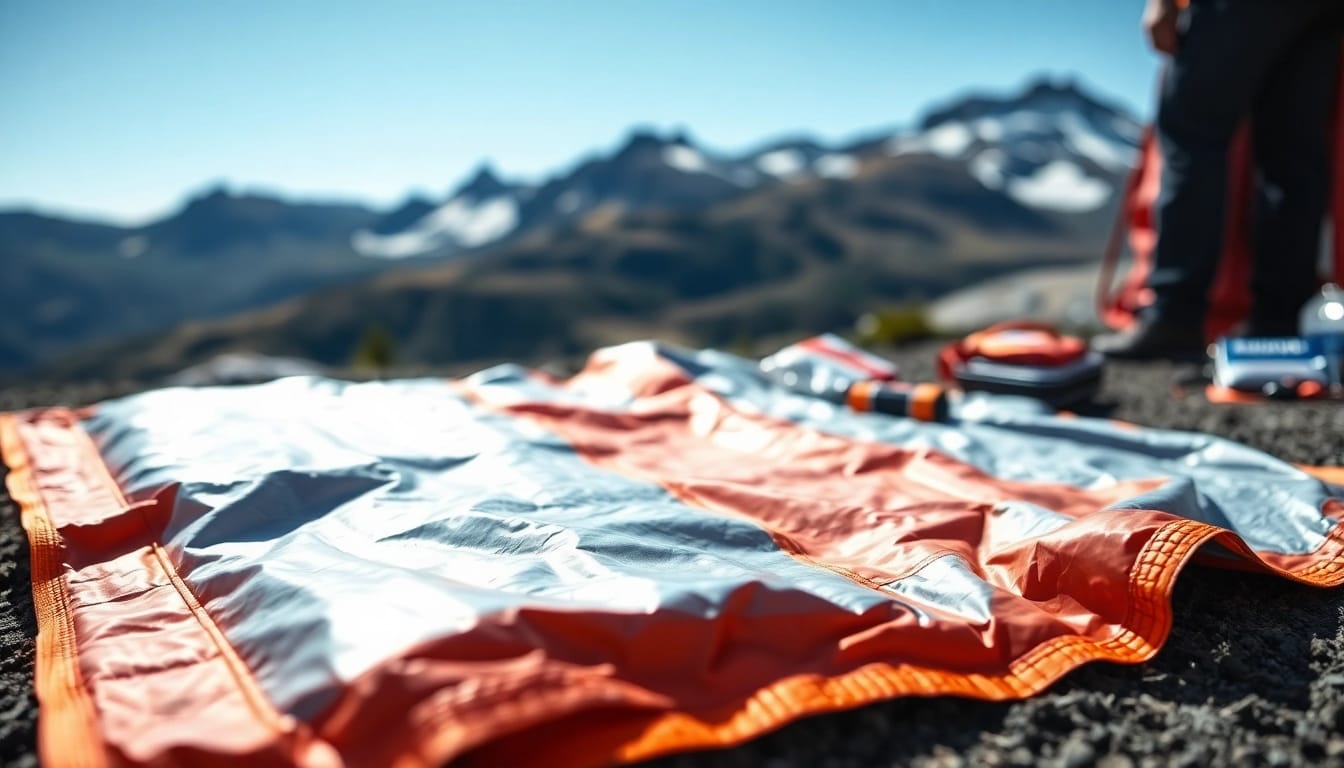
Emergency blankets, often referred to as mylar blankets or thermal blankets, are lightweight, compact sheets used primarily to retain body heat during emergencies and outdoor activities. Made from a thin layer of plastic material that reflects 90% of body heat, these blankets are designed for use in life-threatening conditions. They play a critical role in various scenarios, including outdoor adventures, natural disasters, and emergency medical situations. Their compactness allows them to be stored easily in backpacks, first-aid kits, and emergency supply kits, making them an essential addition to any emergency preparedness list. An emergency blanket can be a lifesaver in extreme conditions where maintaining body temperature is vital.
Materials and Construction
Emergency blankets are typically made from Mylar, a type of polyester. This material is known for its strength and resistance to moisture and tearing. The blankets are created through a process called vacuum metallization, where a thin layer of aluminum is applied to the polyester film, enhancing its heat-reflective properties. The construction of these blankets ensures they are both lightweight and durable, making them perfect for all weather conditions.
Key Features to Look For
When selecting an emergency blanket, consider the following features:
- Size: Ensure the blanket is large enough to cover an individual, with some options available for two or more people.
- Weight: Opt for a lightweight design that can easily fit in a backpack without adding excessive bulk.
- Durability: Look for thicker Mylar options that can withstand rough handling and can be used multiple times.
- Reflective Properties: The effectiveness of a blanket hinges on its ability to reflect heat. Choose one with high-grade reflective materials.
- Water Resistance: Ensure the blanket can handle moisture to protect against damp conditions.
Benefits of Using an Emergency Blanket
Heat Retention Properties
The primary benefit of emergency blankets is their remarkable ability to retain body heat. In emergency situations, whether due to exposure to cold weather or unexpected outdoor challenges, maintaining body warmth is crucial. These blankets function by reflecting and trapping heat emitted from the body, essential for preventing hypothermia. Many outdoor enthusiasts have reported that using an emergency blanket significantly improved their chances of surviving cold nights in the wild.
Lightweight and Compact Design
Emergency blankets are designed with portability in mind. Most weigh only a few ounces and can be folded down to the size of a wallet. This feature makes them incredibly convenient for hikers, campers, and anyone needing to carry emergency gear. The compactness of these blankets allows them to be stored alongside other vital supplies without occupying much space.
Multi-Purpose Applications
Beyond outdoor use, emergency blankets have a myriad of applications. They can serve various roles, including:
- Providing warmth in medical emergencies, such as after trauma or accidents.
- As a ground cover or makeshift shelter in survival scenarios.
- Protection from rain or wind.
- Signal for help, as the reflective surface can be visible from a distance in emergency situations.
Best Practices for Emergency Blanket Usage
How to Effectively Store Your Blanket
Proper storage of your emergency blanket can ensure it remains in good condition for when you need it most. Here are some effective tips:
- Keep it dry: Store the blanket in a moisture-proof container to prevent damage.
- Avoid sharp objects: Ensure it is away from items that may puncture the material.
- Check regularly: Inspect the blanket for signs of wear, such as tears, and replace it as necessary.
Proper Deployment Techniques
Using an emergency blanket effectively requires understanding how to deploy it correctly. When ready to use, unravel the blanket carefully to avoid accidental tearing. Wrap yourself entirely, allowing the blanket to cover your head and extremities, keeping as much body heat trapped as possible. For group scenarios, multiple blankets can be combined for extra warmth.
Safety Tips During Emergencies
While emergency blankets are invaluable, it is essential to remember some safety precautions:
- Stay calm: Panic can lead to poor decision-making. Take stock of your situation before using the blanket.
- Monitor your body temperature: While the blanket retains heat, avoid overheating by periodically removing it if conditions allow.
- Use other gear wisely: If you have other emergency tools or clothing, combine them for enhanced protection.
Comparing Different Types of Emergency Blankets
Mylar vs. Fabric Emergency Blankets
Emergency blankets are primarily available in two forms: Mylar and fabric. Mylar blankets are known for their superior heat retention, lightweight design, and compact nature, making them excellent for sudden emergencies. However, they can be less comfortable against the skin. Fabric blankets, while often more comfortable, may not have the same level of heat retention and typically come in bulkier designs. When selecting between the two, consider the specific need: quick emergency response may favor Mylar, while longer stay in one location might demand the comfort of fabric.
Temperature Ratings and Insulation Performance
Temperature ratings can vary significantly between different brands and types of emergency blankets. A good rule of thumb is to look for blankets that can retain heat effectively in climates or scenarios you expect to face. The ideal emergency blanket should maintain body temperature in sub-zero conditions, perhaps rated down to 5°F (-15°C), whereas others may only perform adequately in milder climates.
Cost vs. Durability: Making the Right Choice
While many consumers opt for the cheapest option available, finding a balance between cost and durability is crucial. High-quality emergency blankets often come at a slightly higher price but offer better materials and longevity. Investing in a durable blanket now can save money in replacements later and potentially save lives in emergencies.
Real-Life Applications of Emergency Blankets
Case Studies from Outdoor Enthusiasts
Many outdoor enthusiasts have shared their experiences with emergency blankets, emphasizing their effectiveness. One hiker recounted a cold night spent lost in the wilderness. Armed with an emergency blanket, he was able to maintain his body warmth until rescued, attributing his survival to the reflective insulation the blanket provided. Another case involved a camping trip during an unexpected snowstorm; grabbing an emergency blanket before venturing out proved crucial in maintaining warmth within a tent.
Emergency Situations: How They Saved Lives
Emergency blankets have also proven essential in life-saving situations. Many rescue missions have utilized these blankets for victims of accidents or natural disasters, providing immediate warmth in shock scenarios. Reports from disaster response teams consistently highlight their value in cold weather rescues, emphasizing that the availability of an emergency blanket can make a significant difference in survival rates.
Feedback from First Responders
Feedback from first responders reveals that emergency blankets are a staple in their kits. Paramedics and emergency medical technicians (EMTs) frequently use these blankets to help regulate the body temperature of patients before reaching a medical facility, stating that even in mild cases of exposure, having an emergency blanket on hand can prevent more serious health issues. They also share anecdotes about the quick deployment of these blankets aiding in the stabilization of patients before more intensive care can be provided.
In conclusion, while small and unassuming, emergency blankets pack a lot of utility. Their ability to retain heat, lightweight design, and broad application possibilities make them an essential item in any emergency preparedness kit. Understanding how to effectively use them, alongside practical tips for selection, can mean the difference between life and death in extreme situations. Whether you're an outdoor adventurer, a first responder, or someone preparing for emergencies, investing in quality emergency blankets is a decision that could pay off significantly.