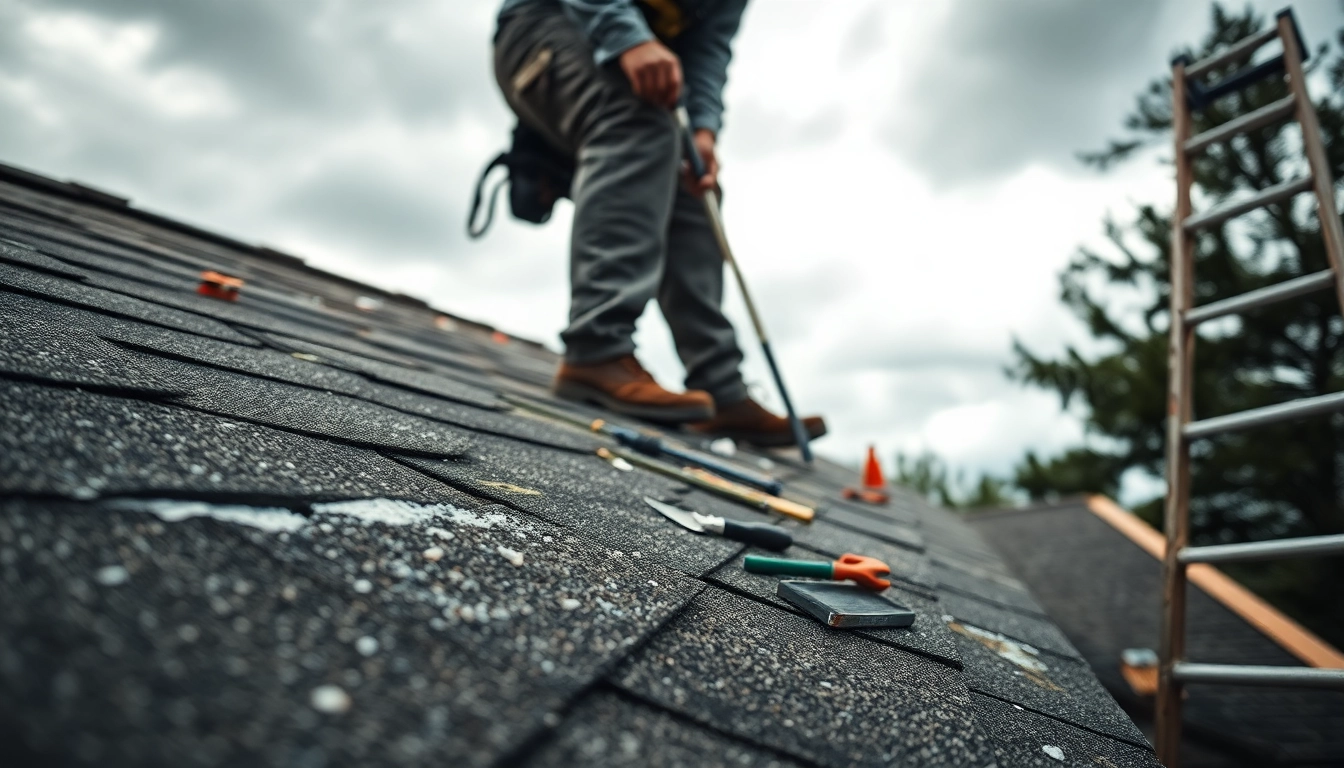
Understanding the Impact of Hail and Wind on Roofs
Homeowners often face the daunting reality of roof damage caused by severe weather conditions, particularly hail and wind. Whether living in a hail-prone area or experiencing high winds, it's crucial to understand the potential effects on your roof. Damaged by wind and hail roof presents challenges that can lead to extensive repairs if not addressed promptly. This guide will help you discern the signs of damage, navigate insurance claims, and explore effective preventative measures.
What Causes Hail Damage to Roofs?
Hail damage occurs when ice pellets, resulting from thunderstorms, accumulate and fall to the ground at high speeds. The impact can create various forms of damage, including:
- Granule loss: Hailstones can dislodge the granules on asphalt shingles, exposing the underlying layers, which can lead to leaks.
- Dents and bruises: Hail can cause indentations and bruising not visible from the ground, potentially impacting the roof's integrity.
- Cracks: Severe impact can create cracks on shingles, compromising their waterproof capabilities.
Understanding the mechanics of hail damage will help homeowners recognize the symptoms and take proactive steps for repair.
Signs of Wind Damage on Your Roof
Wind can exert strong forces on rooftops, causing various types of damage, such as:
- Missing or curled shingles: High winds can lift shingles, leading to losses or curling that exposes the roof to further damage.
- Dented gutters and downspouts: Wind-driven debris can dent and damage gutters, affecting drainage.
- Flashing dislodgement: Wind can push or pull the flashing away from joints and valleys, leading to leaks.
Regularly inspecting for these signs can help mitigate long-term roof damage.
Common Materials Affected by Wind and Hail
Different roofing materials respond uniquely to hail and wind. Common materials include:
- Asphalt shingles: Most susceptible to hail damage, manifesting as granule loss or cracks.
- Metal roofs: Resistant to wind but can suffer from denting with hail impact.
- Wood shakes or shingles: Can crack or splinter under hail force, leading to moisture infiltration.
Knowledge of the roofing material's vulnerabilities can inform repairs and replacements.
Assessing Damage: Steps to Take After a Storm
Following a storm, immediate assessment is crucial to understanding the extent of the damage and determining the course of action. Use the following steps to guide your inspection.
How to Inspect Your Roof Safely
Safety is paramount when inspecting your roof after storm damage. Consider these tips:
- Ensure the weather is stable before climbing a ladder or accessing the roof.
- Wear appropriate safety gear, including a harness and work boots with good traction.
- Examine from the ground first using binoculars to look for obvious damage, like missing shingles or visible gaps.
If the damage appears extensive, it’s advisable to call a professional. Walking on a severely damaged roof can be hazardous.
Using Checklists to Identify Damage
Using a checklist can streamline your damage assessment process. Consider including the following:
- Check for visibly missing or damaged shingles.
- Inspect gutters for granule accumulation.
- Look for water stains inside the attic or ceilings.
- Assess the condition of flashing around chimneys and vents.
A thorough checklist ensures that no damage is overlooked, facilitating accurate insurance claims and repairs.
Documenting Damage for Insurance Claims
Once damage is identified, documenting it is crucial for filing insurance claims. Effective documentation should include:
- Photographs of all damaged areas, including close-ups of specific issues.
- A detailed written description of the damage.
- Dates and times for when the storm occurred and when the damage was noticed.
Good documentation provides evidence to support your claim, helping you receive the necessary funds for repairs.
Insurance Considerations for Hail and Wind Damage
Understanding insurance coverage for roof damage due to wind and hail is critical for homeowners. Various aspects can impact your claims experience.
Understanding Your Policy Coverage
Homeowners should familiarize themselves with their insurance policy details, which typically includes:
- What types of damage are covered: hail, wind, and often other storm-related issues.
- Deductibles that may apply specifically for roofing claims.
- Limits on payouts based on the age or condition of the roof prior to damage.
A thorough awareness of your policy helps in planning for potential out-of-pocket costs.
Typical Insurance Payouts for Roof Damage
Insurance payouts can vary dramatically based on several factors, such as:
- Type of damage—granule loss may lead to lower payouts than total roof replacement.
- Local market rates for roofing repairs.
- Your deductible and policy limits.
Experts commonly estimate the average payout for hail damage could be around $12,000, but this reflects a range of covered costs beyond just roofing.
Steps to Maximize Your Claim
Maximizing your insurance claim involves several proactive steps:
- Consult a specialist to assess damage and document findings independently.
- Enhance your documentation with receipts from prior maintenance or repairs.
- Communicate clearly and regularly with your insurance adjuster.
Fostering open lines of communication and transparency can improve your experience with claims.
Repairing a Damaged by Wind and Hail Roof
If your roof sustains damage, timely repairs are crucial to prevent further deterioration. Here are various approaches for effective roof repair.
Temporary Fixes to Minimize Further Damage
Before permanent repairs can be made, implementing temporary fixes will help minimize further damage:
- Use tarp to cover leaks or severely damaged areas to prevent water ingress.
- Make minor repairs with roofing cement to seal cracks or openings.
- Clear gutters of debris to facilitate proper drainage and reduce water buildup.
Taking these steps immediately can preserve the overall structure of your home.
When to Call a Roofing Professional
Determining when to involve a professional can streamline the repair process and ensure safety:
- If the roof is significantly damaged or has potential compromise to its structural integrity.
- When severe leaks are present, calling a professional is advisable to prevent extensive interior damage.
- If the thought of climbing on the roof feels daunting or unsafe.
Professionals can provide accurate assessments and repair solutions best suited for your specific needs.
Long-term Solutions for Roof Resilience
To improve your roof’s longevity and resilience against future storms, consider these strategies:
- Invest in high-impact shingles designed to withstand hail damage.
- Implement regular roof inspections and maintenance schedules.
- Consider installation enhancements, like additional fastening, to improve wind resistance.
Implementing these long-term strategies can provide peace of mind and potential cost savings.
Preventative Measures to Avoid Future Damage
Preparation and preventive maintenance are essential today and tomorrow. Here’s how homeowners can weatherproof their roofs.
Regular Maintenance Tips for Homeowners
Staying on top of roof maintenance can mitigate damage before storms hit. Here are tips to maintain your roof effectively:
- Inspect your roof biannually for signs of wear and tear.
- Clean your gutters at least twice a year to prevent blockages and backups.
- Remove overhanging tree branches to prevent them from damaging your roof during storms.
Consistent attention to your roof’s health will extend its lifespan and performance.
Choosing the Right Roofing Material
The roofing material plays a significant role in a roof’s endurance against wind and hail. Consider the following options:
- Asphalt shingles: Affordable but less durable in extreme conditions.
- Metal roofing: Highly resistant to hail and offers better wind performance.
- Clay or concrete tiles: Durable options that can withstand severe weather.
Evaluating material choices based on your local climate can lead to informed decisions.
Preparing Your Roof for Storms
Preparation before storms include:
- Conducting a thorough inspection and addressing any immediate repairs.
- Taping windows and clearing areas around the house where debris might fly.
- Consulting building codes to ensure your roofing meets local storm resilience standards.
Diligent preparation can reduce future damage risks significantly.
Frequently Asked Questions
Should I file a claim for my hail damaged roof?
Filing a claim for hail damage may be worthwhile, but consider your deductible and the extent of damage. Document thoroughly to support your case.
What payout can I expect for hail damage?
The average insurance payout for hail damage is around $12,000. Payout amounts will vary based on policy specifics and local repair costs.
How can I prevent wind damage to my roof?
Regular inspections, using quality materials, and maintaining clear drainage can help significantly reduce the risks of roof wind damage.
What are key signs of wind damage?
Look for missing or curled shingles, dented gutters, and signs of dislodged flashing or other roof elements after wind events.
When should I call a roofing professional?
If the damage is extensive, includes leaks, or poses safety concerns, it's best to hire a professional for evaluation and repairs.