Understanding Marginal Pond Plants
Marginal pond plants are essential features of aquatic ecosystems that can significantly enhance the natural beauty and ecological balance of any garden pond. These plants grow along the edges of ponds and lakes, thriving in shallow water and providing a myriad of benefits not only to the environment but also to the overall aesthetic of your landscape. When exploring options, Marginal Pond Plants offer diverse species that cater to different conditions and aesthetics, making them a popular choice among garden enthusiasts.
What Are Marginal Pond Plants?
Marginal pond plants refer to species that flourish in shallow water up to about 30 cm deep, often growing at the water's edge. This category of plants is crucial for creating a seamless transition from land to aquatic environments. They range from herbaceous species to small shrubs, serving not only aesthetic purposes but also practical roles in pond management and wildlife support.
Importance of Marginal Plants in Ecosystems
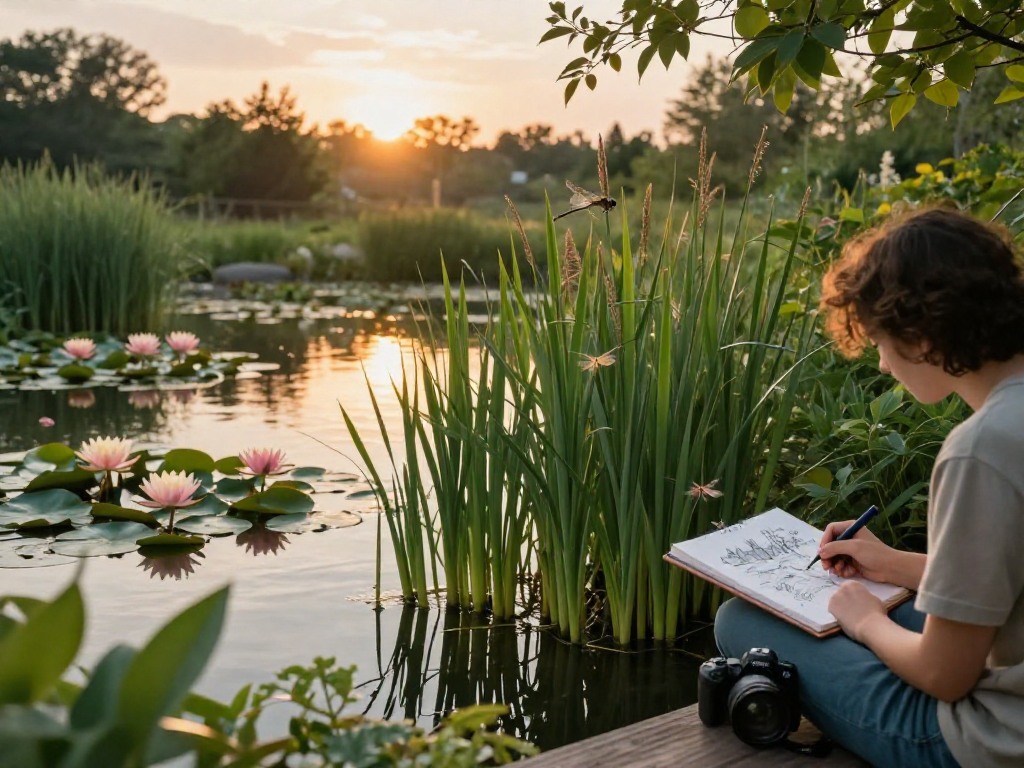
These plants play a vital role in maintaining the health of pond ecosystems. They serve as habitat for various wildlife, including frogs, dragonflies, and birds, providing shelter and breeding grounds. Moreover, marginal plants help to filter water, absorbing excess nutrients and preventing algae blooms, which can harm aquatic life. Their root systems stabilize the soil along the bank, reducing erosion and contributing to water clarity.
Common Species of Marginal Pond Plants
Some of the most popular marginal pond plants include:
- Reed Mace (Typha latifolia) - Known for its distinctive cylindrical flower spikes, it is an excellent choice for wildlife gardening.
- Flag Iris (Iris pseudacorus) - This plant boasts bright yellow flowers and provides great visual interest while attracting pollinators.
- Water Mint (Mentha aquatica) - A fragrant herb that offers a lovely scent and is useful in culinary applications.
- Marsh Marigold (Caltha palustris) - Featuring bright yellow flowers in spring, this plant thrives in moist soils.
Choosing the Right Marginal Pond Plants for Your Garden
Selecting the right marginal pond plants for your garden involves understanding your local pond environment and the conditions that reign. Factors such as water depth, sunlight exposure, and soil type will all influence your choices. Additionally, considering the aesthetics you wish to achieve can guide your decisions. Below, we explore various elements to keep in mind when making your selection.
Factors to Consider When Selecting Plants
When choosing marginal pond plants, consider:
- Water Depth: Ensure the plants can thrive in the specific depths of your pond.
- Sunlight: Assess how much sunlight your pond area receives. Some plants thrive in full sun, while others prefer partial shade.
- Soil Type: Knowing whether your soil is sandy, clayey, or loamy can aid in plant selection.
- Local Wildlife: Consider the species that may benefit from your plant choices, ensuring they contribute positively to the ecosystem.
Best Marginal Plants for Different Pond Environments
Different environments call for specific plant choices. For instance:
- In sunny, open areas, consider Yellow Flag Iris or Reed Canary Grass.
- For shadier locations, Water Mint or Marsh Marigold can adapt well.
- For clay-rich soils, Common Cattail can establish robust growth and stabilize the banks.
- If you desire a more aromatic experience, Sweet Flag adds both beauty and scent.
Assessing Plant Growth Tolerance
Understanding the growth tolerance of your selected plants is essential. Some plants can endure fluctuating water levels, while others may struggle. Consider potential climate changes and seasonal variations in your area when selecting plants. Native species are typically more resilient and better adapted to local conditions.
Planting and Establishing Marginal Pond Plants
Once you have selected your marginal pond plants, the next step is to carefully plant them to ensure healthy growth. Proper planting techniques can set the stage for thriving plants that enhance your pond ecosystem.
Step-by-Step Planting Guide
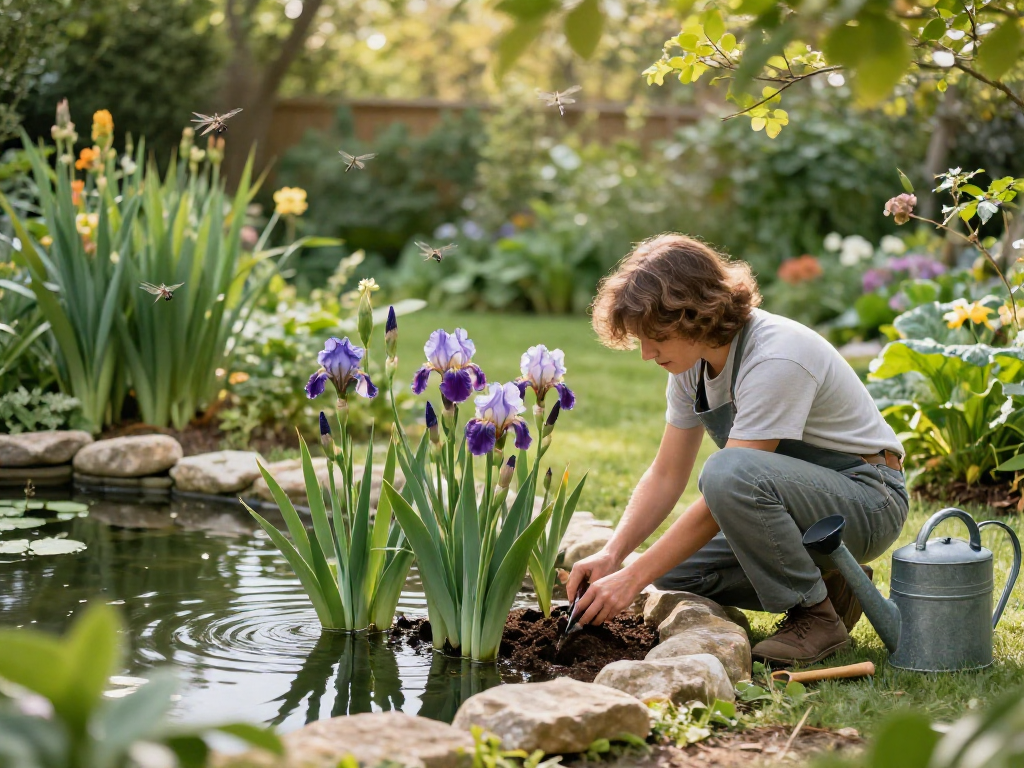
To plant your marginal pond plants effectively:
- Prepare the planting area by clearing debris and weeds.
- Dig holes that are slightly larger than the root ball of each plant.
- Place the plants in the holes, ensuring that the crown of the plant is level with the soil surface.
- Fill in around the roots with soil and gently pat down to remove air pockets.
- Water thoroughly to help settle the soil around the roots.
Soil Requirements and Preparation
Marginal pond plants thrive in moist, nutrient-rich soils. Before planting, consider adding organic matter such as compost or well-rotted manure to enrich the soil. This improves soil structure and drainage, allowing roots to establish better. Testing soil pH can also help in selecting appropriate plants, as some may prefer more acidic or alkaline conditions.
Essential Care During the First Growth Season
During the initial growth season, provide your marginal pond plants with sufficient water, especially during dry spells. Watching for signs of stress, such as yellowing leaves or wilting, is paramount. Mulching around the plants can help retain moisture and suppress weeds in the early stages.
Maintenance and Care for Marginal Pond Plants
To sustain the beauty and health of your marginal pond plants over time, regular maintenance is required. This ensures they continue to thrive and contribute positively to your pond environment.
Watering and Feeding Your Plants
While marginal plants are somewhat resilient, they still require consistent moisture, particularly in their early stages. During dry periods, supplemental watering may be necessary. Additionally, applying a balanced fertilizer in spring can boost growth, but be cautious not to over-fertilize, as this could lead to algae growth.
Pruning and Managing Plant Growth
Regular pruning helps manage plant size and shape, ensuring they do not overtake other plants in your garden. Remove dead or damaged leaves to encourage healthy growth. Some species may benefit from being divided every few years to promote vigorous growth and rejuvenation.
Dealing with Common Pests and Diseases
Keep an eye out for common pests such as aphids or snails that can affect your marginal pond plants. Organic deterrents like neem oil can be effective without harming the ecosystem. Preventive measures, such as maintaining plant health and promoting biodiversity, can reduce pest and disease susceptibility.
Future Trends in Marginal Pond Plants for 2026 and Beyond
As we move toward 2026, trends in marginal pond gardening are set to evolve. Emerging practices focus on sustainability, ecological restoration, and technological integration in pond management.
Innovations in Sustainable Pond Gardening
Sustainability will continue to be a cornerstone of gardening practices. Innovations such as bioengineering resistant plant varieties and the use of rainwater harvesting systems will become more common. These approaches minimize reliance on municipal water systems and promote ecological balance.
Exploring Native Species for Ecosystem Health
There is a growing emphasis on using native species in pond gardens. Native marginal plants support local wildlife and promote biodiversity while requiring less maintenance and water once established. By choosing native species, gardeners can contribute positively to the ecosystem's health.
Incorporating Technology into Pond Management
The integration of technology into pond care is on the rise. From automated watering systems to mobile apps for monitoring water quality, tech solutions can simplify maintenance and improve plant health. These advancements will aid gardeners in creating robust ecosystems that thrive with minimal human intervention.