Understanding Construction Site Safety
Construction site safety is a paramount concern for workers, employers, and everyone involved in the construction industry. The nature of construction work inherently involves a myriad of risks, including falls, equipment accidents, and exposure to hazardous materials. To mitigate these risks, prioritizing construction site safety is critical not only for compliance with regulations but also for fostering a culture of safety that protects workers and enhances productivity.
Importance of Safety in Construction
The importance of safety in the construction industry cannot be overstated. Every year, thousands of work-related injuries occur on construction sites, many leading to debilitating conditions or even fatalities. By implementing robust safety measures, construction firms can significantly reduce these incidents. Moreover, a commitment to safety cultivates employee morale, reduces insurance costs, and limits liability claims against the company. Organizations that prioritize safety tend to attract skilled workers, improving overall project performance.
Overview of Common Hazards
Common hazards on construction sites include slips, trips, and falls; being struck by moving vehicles; electrical hazards; and exposure to harmful substances such as asbestos or silica dust. Understanding these hazards is the first step towards effective risk management. For instance, according to reports, falls are one of the leading causes of workplace fatalities in construction. Awareness and proactive management of these hazards can prevent accidents and save lives.
The Role of Regulations
Safety regulations in the construction industry, such as those set forth by the Occupational Safety and Health Administration (OSHA), play a vital role in standardizing safety practices. These regulations provide guidelines for hazard identification, employee training, and proper use of safety equipment, contributing to a safer work environment. Compliance with these regulations not only helps in preventing accidents but also fortifies a company’s reputation and avoids costly fines.
Essential Safety Equipment
Without the proper safety equipment, managing risks effectively is nearly impossible. Essential safety gear helps protect workers from a variety of hazards they may face on-site. Notably, recent advancements in safety technology have elevated the standards of safety equipment, ensuring that workers are better protected.
Types of Personal Protective Equipment
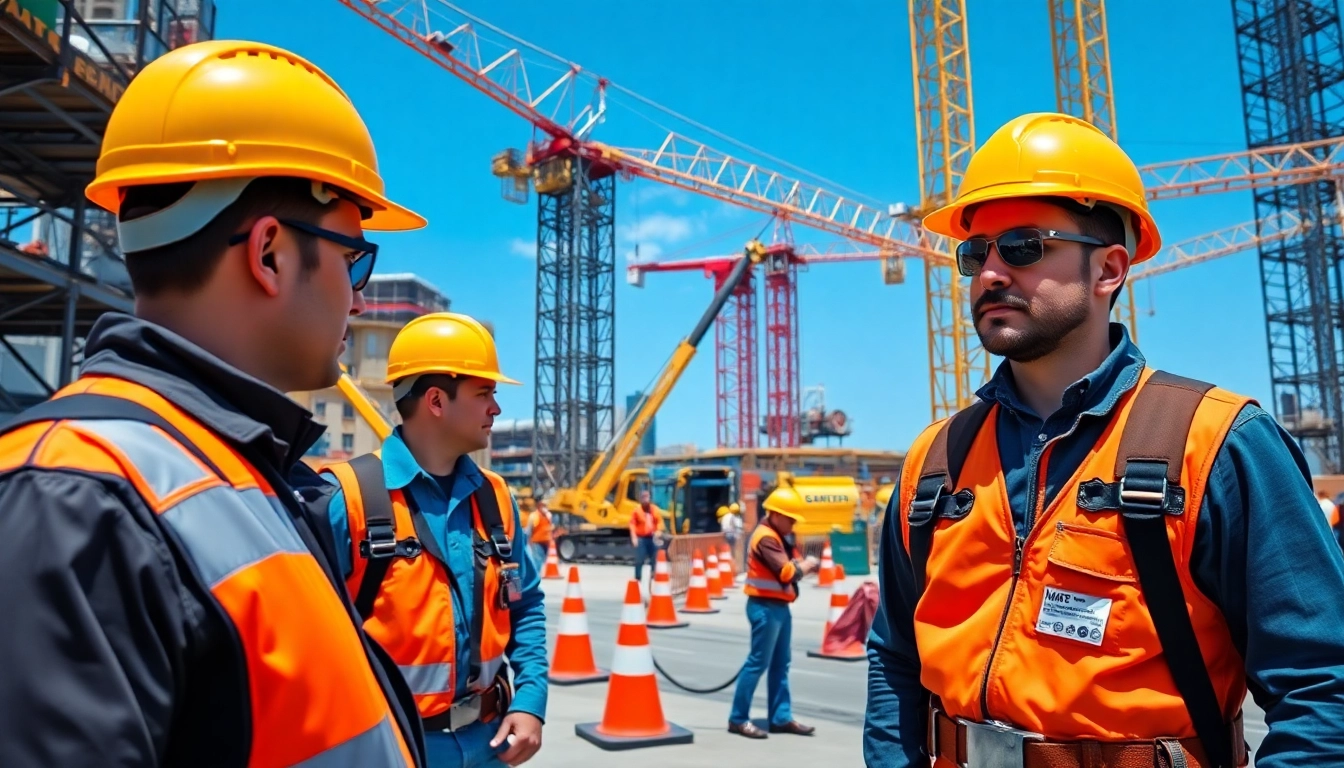
Personal Protective Equipment (PPE) is the first line of defense for workers on a construction site. Common types of PPE include hard hats, safety glasses, gloves, hearing protection, and safety footwear. Each item serves a specific purpose; for example, hard hats protect against head injuries, while safety glasses guard against flying debris. Employers must ensure that all personnel are trained on the correct use and maintenance of PPE to guarantee its effectiveness.
Innovations in Safety Gear
Innovations in safety gear have revolutionized construction site safety. New materials and technologies, such as high-performance fabrics and wearable safety devices, have enhanced the functionality of traditional safety gear. For instance, smart helmets equipped with augmented reality can provide real-time data to workers, improving situational awareness and decision-making. Furthermore, exoskeletal suits enable workers to lift heavy materials more safely, reducing the risk of strains and injuries.
Regular Maintenance of Equipment
Regular maintenance of safety equipment is crucial for its performance. Inspections should be conducted routinely to ensure that PPE is in good condition, and any damaged equipment should be immediately replaced. Employers must establish a maintenance log to track inspections and repairs, helping to identify patterns of wear and recently used gear that may require specific attention. This practice not only prolongs the life of the equipment but also ensures the safety of workers.
Implementing Safety Protocols
Establishing safety protocols is essential for a successful safety program in construction. Effective protocols help delineate responsibilities, outline procedures for emergency situations, and reinforce the importance of safety culture among workers.
Creating a Safety Plan
A safety plan acts as a roadmap for ensuring safety on site. It should encompass hazard assessments, emergency response procedures, and specific roles of each staff member in maintaining safety. The safety plan needs to be dynamic, regularly reviewed, and updated in accordance with changing work conditions or new hazards identified on-site. Engaging workers in the development of the safety plan encourages ownership and compliance.
Conducting Safety Training
Safety training is an essential element of any safety program. Training should be tailored to include comprehensive onboarding for new employees, refresher courses for existing workers, and situational training for specific hazards encountered on-site. Utilizing effective training methods, such as hands-on demonstrations and simulations, enhances retention and comprehension among workers. Regular drills will keep safety practices fresh in mind and ensure preparedness in case of real emergencies.
Regular Safety Audits and Assessments
Conducting regular safety audits and assessments is an integral practice for ensuring that safety protocols are followed and effective. Audits should evaluate both the physical site and the adherence to safety practices by workers. Analyzing findings from audits can highlight trends, identify areas for improvement, and foster accountability within teams. Establishing corrective action plans in response to audit findings enhances site safety over time.
Cultivating a Safety Culture
Cultivating a safety culture within a construction organization is vital for long-term safety success. A proactive safety culture encourages workers to prioritize safety over production pressures and fosters a team mentality that promotes safe practices on-site.
Encouraging Worker Engagement
Encouraging worker engagement in safety initiatives is crucial for building a culture of safety. Employers should create forums for workers to voice concerns and suggestions regarding safety practices. Involvement strategies may include safety committees, suggestion boxes, or regular safety meetings, where workers feel empowered to take an active role in shaping the safety culture. Recognizing and rewarding safe practices can increase participation and commitment.
Communication and Feedback Mechanisms
Clear communication is essential for fostering a collaborative safety environment. Implementing structured communication channels allows workers to report safety concerns or incidents promptly. Feedback mechanisms, such as safety surveys or confidential reporting options, should be established to gauge worker sentiment and assess the effectiveness of safety protocols. Open dialogue promotes transparency and trust, leading to a more robust safety culture.
Celebrating Safety Achievements
Celebrating safety achievements reinforces the importance of safety within the organization. Recognizing milestones such as days without accidents or successful safety audits cultivates a positive safety mindset. Employers can celebrate these achievements through awards, team-building activities, or safety days, fostering a sense of pride in maintaining a safe work environment. This recognition helps keep safety at the forefront of employees’ minds.
Measuring Safety Performance
Measuring safety performance is critical to understanding the effectiveness of safety initiatives. By establishing key performance indicators (KPIs) and tracking metrics, organizations can identify areas of strength and those needing improvement.
Key Metrics to Assess Safety
Some key metrics to evaluate safety performance include the Total Recordable Incident Rate (TRIR), Lost Time Injury Rate (LTIR), and near-miss incidents. TRIR reflects the number of recordable incidents per 100 full-time employees annually, providing insight into overall safety effectiveness. Tracking LTIR helps organizations to understand the severity and frequency of injuries. Monitoring near-miss incidents can also prevent future accidents by addressing potential hazards before they lead to injuries.
Reporting and Analyzing Incidents
Effective reporting and analysis of incidents can enhance organizational safety. Promptly documenting incidents, no matter how minor, provides valuable data for ensuring future prevention. Following an incident, a thorough investigation should be conducted to identify root causes. Implementing corrective actions based on analysis fosters continuous improvement in safety protocols and reduces the risk of reoccurrence.
Continuous Improvement Practices
Continuous improvement practices are vital for maintaining high safety standards in construction. Organizations should adopt metrics tracking and feedback loops to refine safety programs over time. This may include periodic review of safety policies, integrating emerging safety technologies, and training updates. Emphasizing an attitude of never settling for the status quo underscores the importance of constant vigilance in safety practices.
Frequently Asked Questions (FAQs)
What is construction site safety?
Construction site safety involves practices and regulations that mitigate risks, prevent accidents, and protect workers on construction sites. It includes training, safety equipment, and emergency protocols.
Why is safety equipment important in construction?
Safety equipment protects workers from potential injuries associated with construction tasks. Proper use of personal protective equipment (PPE) is essential for minimizing risks and ensuring worker safety.
How can a safety culture be established at a construction site?
A safety culture can be fostered through engaging workers in safety discussions, implementing clear communication channels, highlighting safety achievements, and encouraging feedback.
What are some common hazards on construction sites?
Common hazards include falls, being struck by equipment, electrical hazards, and exposure to harmful substances. Identifying these risks is essential for effective safety measures.
How often should safety training be conducted?
Safety training should be conducted regularly, including initial onboarding for new employees and ongoing training for existing workers, supplemented with refresher courses and situational drills.