Understanding Wood Veneer: Definitions and Uses
What is Wood Veneer?
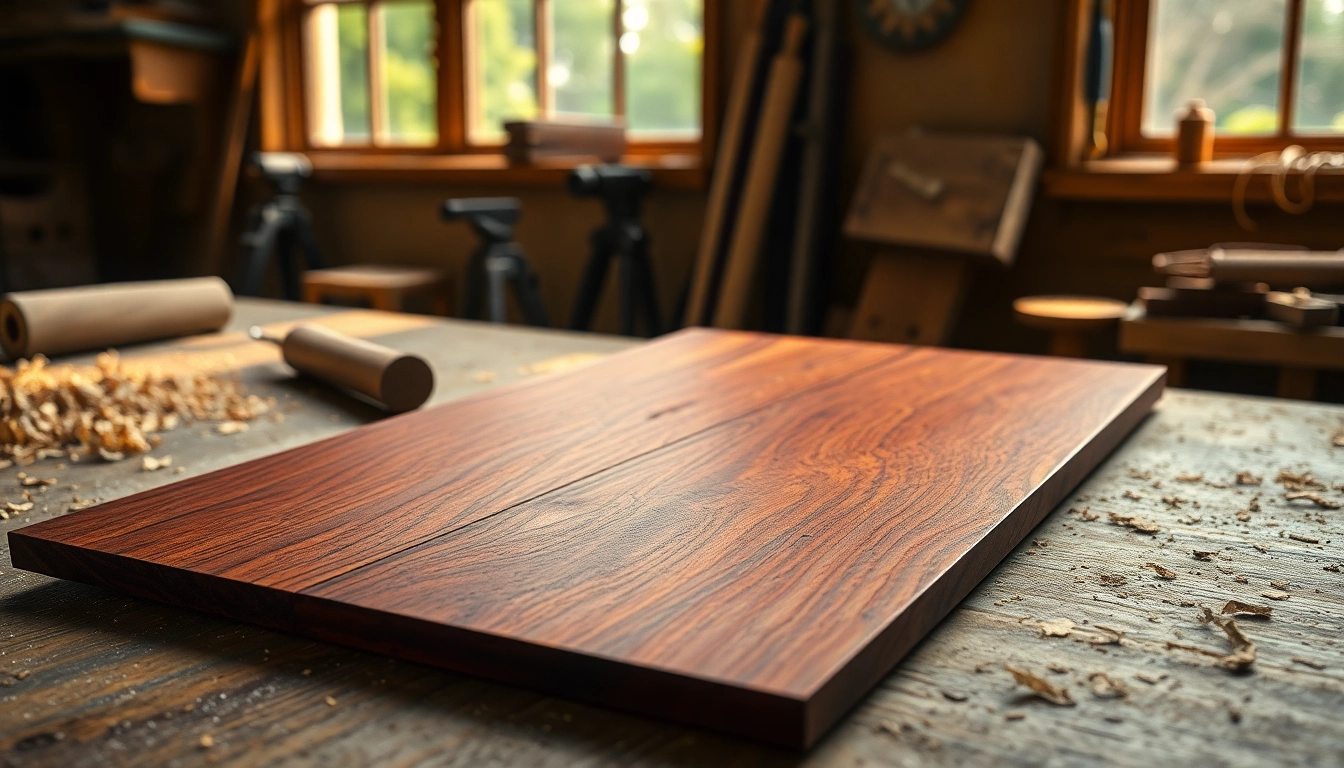
Wood veneer refers to thin slices of real wood, often less than 3mm thick, that are typically glued onto core panels such as wood, particle board, or medium-density fiberboard. This technique provides the beauty and appearance of solid wood while significantly reducing costs and weight. It allows for the effective use of rare or expensive wood species while maintaining a sustainable approach to woodworking.
Common Applications of Wood Veneer
Wood veneer is widely used in various applications due to its versatility and aesthetic appeal. Some of the common uses include:
- Furniture Making: It's popular for crafting cabinets, doors, and tabletops, providing a luxurious finish without the high costs of solid wood.
- Interior Design: Veneered panels can enhance the appearance of walls and ceilings, adding warmth and character to interiors.
- Musical Instruments: Many instruments, especially pianos and guitars, use veneers for their attractive appearances and acoustic properties.
- Decorative Boxes and Displays: Veneered surfaces are often used in custom packaging and presentation cases to elevate product appeal.
Advantages of Using Wood Veneer
There are several compelling reasons to consider using wood veneer in your projects:
- Cost-Effectiveness: Veneer allows access to high-quality wood aesthetics at a fraction of the cost of solid wood.
- Stability: Veneer is less prone to warping and splitting than solid wood, making it a practical choice for various climates.
- Sustainability: Utilizing veneer helps conserve timber resources, as it enables the use of thin slices of exotic woods.
- Design Flexibility: With an extensive variety of species and finishes available, veneer enhances creative design possibilities.
Types of Wood Veneer Available
Natural Wood Veneer Options
Natural wood veneers come from a wide range of species, each with unique characteristics and appearances. Common choices include:
- Oak: Known for its strength and durability, oak veneer offers a classic, warm appearance.
- Maple: Light in color and featuring a fine, uniform grain, maple veneer brings a modern look to furniture.
- Cherry: With its rich color and smooth texture, cherry veneer develops a beautiful patina over time.
- Walnut: Renowned for its luxurious look, walnut veneer is often used in high-end furniture and cabinetry.
Reconstituted Wood Veneer Explained
Reconstituted veneer is made from reprocessed wood fibers, which are dyed and glued together to recreate the appearance of natural grains. This option is beneficial for a few reasons:
- Consistency: Unlike natural veneer, reconstituted veneer provides uniform color and pattern, allowing for predictable results.
- Sustainability: It uses by-products of woodworking, reducing waste and promoting eco-friendly practices.
- Variety: Manufacturers can create a wide range of colors and grains that are not always available in natural woods.
Specialty Veneers: Unique Choices for Your Projects
There are many specialty veneers available that can add a unique touch to your projects, such as:
- Burl Veneers: Sliced from knots or abnormalities in trees, burl veneers offer intricate patterns and a distinctive aesthetic.
- Figured Veneers: These come from woods with irregular growth patterns, resulting in beautiful, swirling grain designs.
- Exotic Veneers: Sourced from rare plants and trees, exotic veneers add an unparalleled elegance and uniqueness.
How to Choose the Right Wood Veneer
Assessing Grain Patterns
Choosing the right grain pattern can profoundly impact the aesthetics of your project. When assessing grain patterns, consider:
- Style: Different projects may call for different grain styles; a sleek modern piece may benefit from straight grains, while rustic furniture might be more appropriate with swirling or knotty patterns.
- Consistency: Look for consistent repeating patterns if that's what your design requires; erratic patterns can add interest but may clash with some styles.
Considering Color and Finish
Selecting a color that complements the overall theme of your design is crucial. Here are key points to consider:
- Variety: Natural wood colors can range from light blondes to dark browns; make sure to choose one within your desired palette.
- Finishes: Some veneers accept stains better than others; testing stain samples can help ensure the final look meets expectations.
Evaluating Thickness and Backing Choices
The thickness of wood veneer affects its application and durability. Thinner veneers are more flexible but less durable, while thicker veneers offer enhanced strength. Backing options, like paper or fabric, can also influence application techniques, where stronger backs provide better adhesion.
Techniques for Working with Wood Veneer
Essential Tools for Veneering
Successful veneering requires specific tools to achieve clean results, including:
- Veneer saw: A fine-toothed saw designed for cutting veneer precisely.
- Clamps: Essential for holding the veneer in place during adhesive setting.
- Iron or roller: Useful for applying heat to activate adhesives, ensuring a smooth bond.
- Sandpaper: To smooth edges and prepare surfaces before finishing.
Step-by-Step Guide to Apply Wood Veneer
Follow these essential steps for a professional finish:
- Prepare your base surface by sanding it to ensure a smooth surface for adhesion.
- Cut your veneer sheet to size, ensuring a bit of overhang for trimming after application.
- Apply adhesive evenly on the substrate and on one side of the veneer.
- Place the veneer onto the substrate, ensuring proper alignment, and apply even pressure.
- Use clamps to hold the veneer while the adhesive cures, typically for 24 hours.
- Trim any excess veneer with a sharp utility knife, and sand the edges for a seamless finish.
Tips for Maintaining Your Wood Veneer
To preserve your wood veneer projects over time, follow these maintenance tips:
- Cleaning: Regularly dust and clean with a soft, dry cloth; avoid harsh chemicals that may damage the finish.
- Humidity Control: Maintain consistent humidity levels in your home to prevent warping or cracking.
- Use Coasters: Protect surfaces from heat and moisture by using coasters under glasses and hot items.
FAQs about Wood Veneer
Is wood veneer durable enough for furniture?
Yes, wood veneer is durable when properly applied and can withstand daily use. Its adhesive bond enhances strength, minimizing warping and cracking.
How is wood veneer different from plywood?
Wood veneer consists of thin slices of real wood, whereas plywood is made up of layers of wood glued together, offering strength for different applications.
Can I stain wood veneer?
Yes, wood veneer can be stained. However, absorption varies depending on the wood type; testing a small area first is advisable to achieve the desired result.
What is the best adhesive for applying veneer?
Contact cement and PVA glue are commonly used for adhering veneer. Ensure strong bonds for a clean, durable finish, depending on your project type.
How do I repair damaged wood veneer?
To repair, clean the area, apply wood glue beneath the damaged veneer, and clamp it. For scratches, use a filler that matches your finish.