Understanding Noise Impact Assessment: Methodologies, Benefits, and Best Practices
In an increasingly bustling world, managing the effects of sound on communities has become crucial for sustainable development. A noise impact assessment is a vital tool in this process, providing insights into how sounds from various sources affect the surrounding environment and communities. This comprehensive guide delves into what noise impact assessments entail, why they are essential, and how they can be effectively implemented in urban planning and development projects.
What is a Noise Impact Assessment?
Definition and Purpose of Noise Impact Assessment
A noise impact assessment (NIA) is a systematic process used to evaluate the potential effects of noise emissions on surrounding communities and ecosystems. This assessment typically includes a detailed analysis of existing noise levels, potential noise sources, and their expected impacts on noise-sensitive locations, such as residential areas, schools, and parks. The primary purpose of conducting an NIA is to inform stakeholders, including urban planners, regulatory bodies, and the community, about potential noise-related issues before construction or development begins.
Key Components of Noise Impact Assessments
Noise impact assessments comprise several critical elements that together provide a comprehensive view of noise impacts. These components include:
- Baseline Noise Survey: Establishing existing noise levels in the area where the project is planned is essential. This survey serves as a benchmark for comparing future noise levels.
- Identification of Noise Sources: Understanding potential sources of noise—such as traffic, construction, industrial operations, or community events—is crucial to predict their impact accurately.
- Modeling and Analysis: Various acoustic models are employed to predict how noise will travel and affect different areas, taking into account factors such as terrain and building materials.
- Impact Evaluation: Assessing the significance of predicted noise levels against relevant criteria, such as local ordinances and community standards.
- Mitigation Measures: Recommendations for reducing potential noise impacts, including sound barriers, adjusted construction schedules, or alterations to project design.
Introduction to Assessment Methodologies
The methodologies employed in noise impact assessments can vary based on the project's nature, location, and regulatory requirements. Standard practices often include field measurements, computer modeling, and consultations with stakeholders. Typically, a combination of quantitative data (measured noise levels) and qualitative assessments (community feedback) is used to paint a comprehensive picture of potential impacts.
Importance of Noise Impact Assessment
Regulatory Requirements for Noise Impact Assessment
Many jurisdictions require a noise impact assessment as part of their environmental review processes, particularly for large developments or projects that might significantly alter local noise environments. Regulatory frameworks often specify acceptable noise thresholds, which must be adhered to in order to mitigate adverse impacts on community health and well-being.
Impact on Community Health and Environment
Excessive noise exposure has been linked to various health issues, including stress, sleep disturbances, and cardiovascular problems. Additionally, noise pollution can harm wildlife and disrupt ecosystems, making noise impact assessments essential for maintaining both human and environmental health.
Benefits to Urban Development Projects
Beyond compliance, conducting a noise impact assessment offers numerous benefits to urban development projects, including:
- Enhanced Community Relations: Engaging with communities and addressing noise concerns can lead to greater acceptance of projects.
- Informed Decision-Making: Planners and developers can make strategic decisions regarding site selection, design modifications, and mitigation measures based on assessment findings.
- Long-Term Sustainability: By identifying and addressing noise issues upfront, projects can achieve better sustainability outcomes and minimize future disputes.
Process of Conducting a Noise Impact Assessment
Initial Planning and Scoping Phase
The first step in conducting a noise impact assessment involves defining the scope of the assessment: determining the project parameters, identifying stakeholders, and outlining key concerns related to noise. This phase often leads to engagement with local residents and businesses to gather initial feedback and concerns about potential noise impacts.
Field Measurements and Data Collection
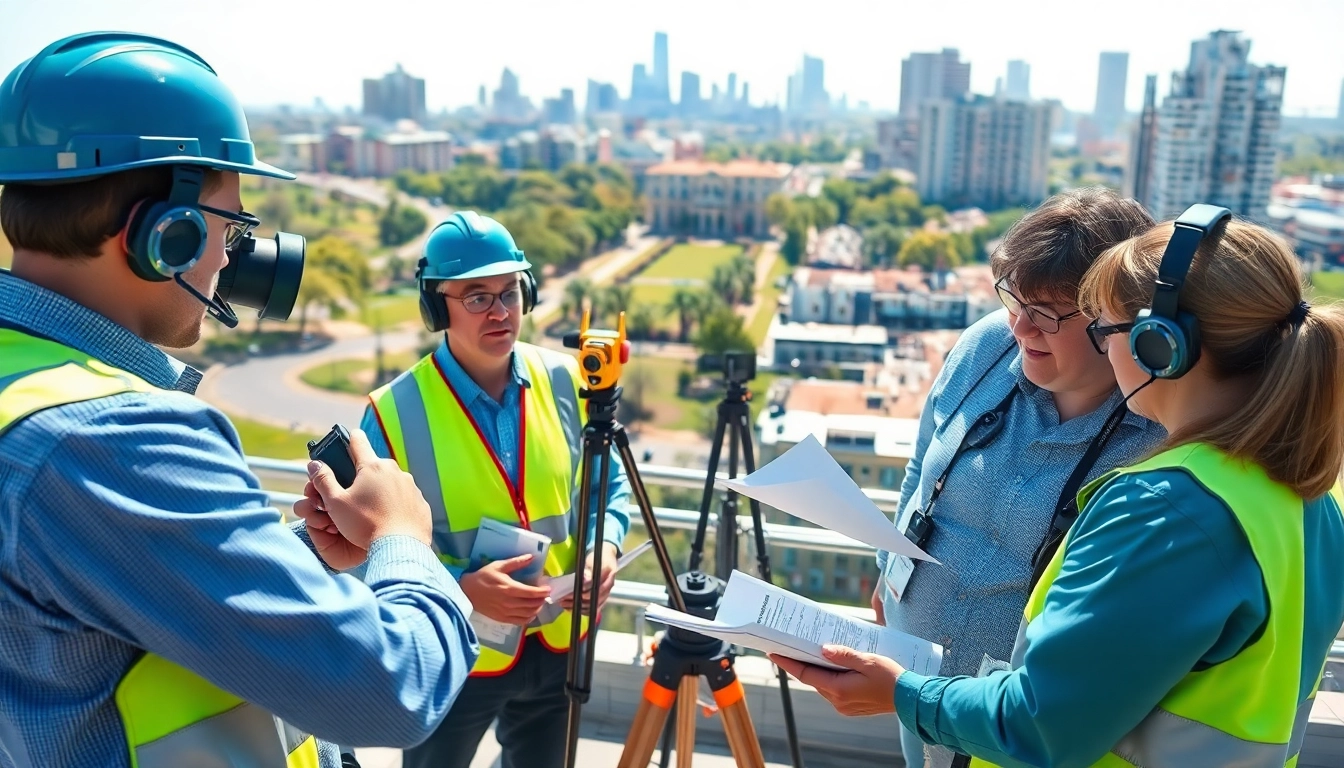
Once planning is complete, field surveys are conducted to measure existing noise levels across various locations and times, ensuring a comprehensive data set. This data typically involves the use of sound level meters to accurately capture ambient noise levels, which can be affected by time of day, weather conditions, and seasonal variations.
Analysis and Reporting of Findings
After data collection, the analysis phase involves processing the noise data, modeling future scenarios, and comparing them against established noise guidelines. The findings are compiled into a formal report that outlines the potential impacts, mitigation strategies, and recommendations for minimal environmental disruption.
Challenges in Noise Impact Assessment
Common Obstacles in Data Gathering
Field data collection can be fraught with challenges, such as fluctuating environmental conditions, access to private properties, and logistical difficulties in placing measurement equipment. Each of these factors can compromise the accuracy of the assessment unless careful planning and flexibility are employed.
Interpreting Results Effectively
Interpreting noise assessment results requires a solid understanding of acoustic principles and local regulations. Stakeholders must ensure that findings are conveyed accurately, addressing both technical details and community concerns for a holistic understanding.
Stakeholder Engagement and Communication
Effectively engaging stakeholders throughout the assessment process is vital. This involves communicating clearly and addressing concerns empathetically, ensuring that the assessment findings are well understood and that proposed mitigation strategies are collaborative and inclusive.
Future Trends in Noise Impact Assessment
Advancements in Measurement Technology
The future of noise impact assessments is likely to be shaped significantly by advancements in measurement technology, including the use of mobile apps and IoT devices that provide real-time data collection and analysis. Such innovations will enhance the accuracy and efficiency of assessments.
Integration with Environmental Impact Assessments
As the importance of holistic environmental evaluations grows, integrating noise impact assessments with broader environmental impact assessments (EIAs) is becoming more common. This approach ensures that noise considerations are part of a larger context involving air quality, water resources, and ecological health.
Emerging Standards and Best Practices
Continuous updates to best practices and standards related to noise impact assessments are being driven by new research and regulatory changes. Staying informed about these developments will be essential for professionals in the field to ensure they meet evolving guidelines and community expectations.