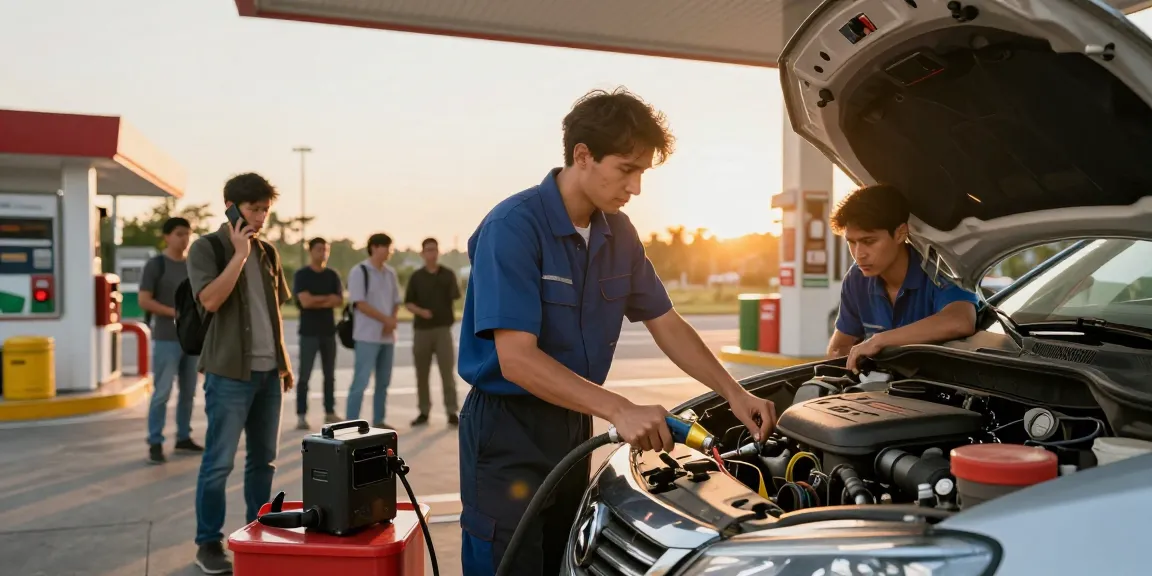
What is a Smog Test?
Definition and Purpose
A Smog Test is an emissions inspection designed to measure the amount of air pollutants emitted by a vehicle's exhaust system. The primary aim of these tests is to ensure that vehicles comply with environmental regulations and contribute to cleaner air. The test checks for various harmful substances, ensuring that vehicles are not excessive polluters, thereby reducing the overall impact on air quality.
How Smog Tests Work
Smog tests operate through a combination of visual and diagnostic checks. During the testing process, a certified technician will typically use specialized equipment to assess the vehicle's emissions against established standards. The process may involve several steps, including:
- Visual inspections of the emission system.
- Functional testing of emission control components.
- Diagnostic checks using an onboard computer interface for vehicles manufactured after 1996.
Common Smog Test Procedures
The specific procedures can vary by state, but typical steps include:
- Pre-Test Inspection: Inspecting physical components related to the emissions system such as the catalytic converter, exhaust system, and the On-Board Diagnostics (OBD) system.
- Emissions Testing: Using a dynamometer to measure emissions while simulating driving conditions, or utilizing an OBD scan tool for modern vehicles.
- Result Reporting: After assessments, results are provided, indicating whether the vehicle passed or failed.
Why is a Smog Test Necessary?
Environmental Impact
The necessity for smog tests stems primarily from their role in environmental protection. Unchecked vehicular emissions contribute significantly to air pollution, which can lead to health problems, environmental degradation, and climate change. By enforcing emission standards, smog tests help in reducing harmful pollutants like nitrogen oxides, volatile organic compounds, and carbon monoxide from entering the atmosphere.
Legal Requirements
Many states have legislative requirements mandating regular smog tests for vehicles. The frequency and conditions under which these tests are required can vary. Some states require testing once every two years, while others may require annual checks. Such regulations are typically enforced to comply with federal air quality standards.
Benefits of Compliance
Complying with smog regulations brings several advantages, such as:
- Improved Air Quality: Regular testing aids in controlling air pollution, leading to healthier communities.
- Reduced Health Risks: By ensuring vehicles meet emission standards, the prevalence of respiratory illnesses is mitigated.
- Enhanced Vehicle Longevity: Maintaining the emissions system keeps the vehicle running efficiently, potentially enhancing its lifespan and performance.
Preparing Your Vehicle for a Smog Test
Basic Vehicle Maintenance Tips
Before heading for a smog test, it’s essential to ensure that your vehicle is in good working order. Basic maintenance can make a significant difference:
- Regular Oil Changes: Keeping the engine clean and lubricated helps it run efficiently, thus reducing emissions.
- Replace Air Filters: A clean air filter ensures optimal air intake, improving fuel efficiency and reducing pollutants.
- Check Tire Pressure: Properly inflated tires contribute to better fuel economy and reduced emissions.
Common Issues to Check
There are specific issues that commonly cause vehicles to fail smog tests, including:
- Check Engine Light: If illuminated, it often indicates a problem that could lead to failed emissions.
- Catalytic Converter Problems: A malfunctioning catalytic converter can drastically increase emissions.
- Fuel System Leaks: Leaking fuel tanks or lines can emit harmful vapors that contribute to air pollution.
Using Diagnostic Tools
Utilizing diagnostic tools can provide insights into your vehicle's condition before a smog test. OBD-II scanners can retrieve error codes from the vehicle’s onboard computer, helping identify any issues that may affect emissions. Fixing these problems beforehand may improve the chances of passing the test.
What to Expect During a Smog Test
Typical Testing Process
The smog testing process may vary by location and vehicle type; however, you can expect the following steps:
- Arrival and Vehicle Inspection: Upon arrival, your vehicle will be checked for obvious issues.
- Emissions Analysis: The technician will perform emissions tests either through a tailpipe test or OBD interface.
- Result Declaration: You will receive immediate feedback regarding the results.
Understanding Smog Check Results
Results from a smog test are typically straightforward: you will either pass or fail. A pass indicates compliance with emissions standards, while a fail means that the vehicle does not meet state requirements. In case of a failure, the technician will provide a report detailing specific areas needing repair.
After the Smog Test: Next Steps
If your vehicle fails the smog test, it’s crucial to address the identified issues promptly. Ensure you keep all repairs documented and, if necessary, schedule a re-test at an authorized facility. Consider employing a certified mechanic to guide you through the fixing process for best results.
Frequently Asked Questions About Smog Tests
What does a smog test check for?
A smog test assesses your vehicle's emissions of pollutants. It checks for carbon monoxide, hydrocarbons, nitrogen oxides, and particulate matter to ensure compliance with air quality standards.
How often do I need to get a smog test?
The frequency of smog tests varies by state. Generally, tests are required every two years, but some areas may mandate annual inspections based on emissions regulations.
What can I do if my vehicle fails a smog test?
If your vehicle fails, review the report to understand the issues. Fix the problems outlined, then schedule a retest to ensure compliance with emissions standards. Keep all repair documentation.
Are there exceptions to needing a smog test?
Yes, various exceptions exist, such as for electric vehicles, hybrids, or vehicles that are a certain age. Some states may have specific exemptions based on vehicle type or usage.
How can I prepare my car for a smog test?
Regular vehicle maintenance is key. Ensure the engine runs well, check for leaks, and replace filters as needed. Use OBD diagnostic tools to check for potential issues before the test.