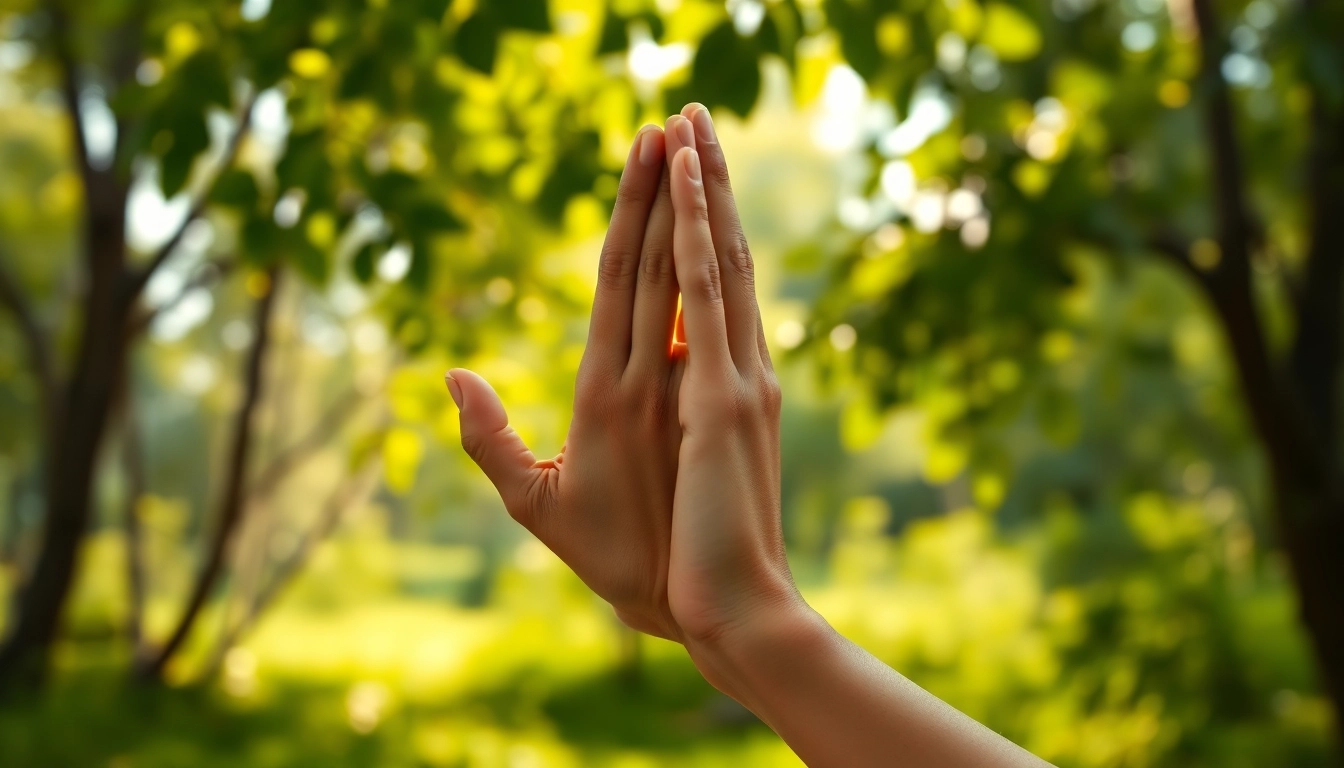
Introduction to Yoga Mudras
Yoga is a multifaceted practice that encompasses physical postures, breathing techniques, and meditation among others. One of the less discussed yet profoundly impactful aspects of yoga is yoga mudras. These are hand gestures or seals that serve specific purposes in enhancing the flow of energy within our bodies. By employing various mudras, practitioners can unlock deeper meditative states, promote healing, and balance emotional and physical well-being.
What are Yoga Mudras?
A mudra, derived from the Sanskrit word meaning "seal" or "gesture", typically involves specific hand positions that facilitate the flow of energy or "prana" in the body. Traditionally, mudras have been utilized in yoga and meditation practices to enhance the physical, mental, and spiritual experience. Each mudra carries a unique significance, influencing not just the practitioner's yoga practice, but also their overall life balance.
The Significance of Hand Gestures
Hand gestures or mudras are more than mere forms of expression—they are powerful tools for unlocking energy pathways. According to yogic philosophy, there are numerous energy points, or nadis, within the body. Mudras tap into these points, creating channels of energy flow similar to acupuncture or pressure points. Additionally, each gesture relates to specific elements of nature, such as earth, water, fire, air, and space, allowing practitioners to reconnect with these elemental forces effortlessly.
History and Origin of Yoga Mudras
The practice of mudras dates back thousands of years, originating in ancient Indian scriptures and the spiritual practices surrounding Hinduism and Buddhism. These gestures were often depicted in temple sculptures and artworks, showcasing their importance in spiritual and ritualistic contexts. Traditionally, they were not only used in the context of yoga practice but were also integral to various forms of dance, theater, and artistry, portraying stories and emotions through intricate hand movements.
Types of Yoga Mudras
Popular Yoga Mudras and Their Uses
There are numerous types of yoga mudras, each designed to target specific aspects of our well-being. Below is a selection of some widely practiced mudras:
- Gyan Mudra: Also known as the Mudra of Knowledge, it involves touching the tip of the thumb to the tip of the index finger while keeping the other fingers extended. This mudra is believed to enhance concentration and mental clarity.
- Prana Mudra: Involves the little and ring fingers touching the tip of the thumb. It is known for revitalizing energy levels, enhancing vitality, and boosting the immune system.
- Apana Mudra: This gesture is formed by connecting the tip of the thumb, middle finger, and ring finger while the other fingers are extended. It is significant for detoxification and balancing the body's vital energies.
- Vyana Mudra: In this mudra, the fingers are spread out while the palms rest on the knees. It's believed to enhance circulation and promote a sense of well-being.
- Shunya Mudra: Formed by pressing the middle finger down with the thumb while the other fingers remain extended. This mudra is thought to relieve ear problems and promote emotional stability.
Healing Mudras for Physical Wellness
Healing mudras focus on physical health and well-being. Each gesture can help target specific ailments or imbalances, thus promoting a holistic healing process. Practitioners can integrate these mudras into their daily routines for nurturing physical health. For instance, the Apana Mudra is often recommended for alleviating digestive issues, while the Prana Mudra can combat fatigue and revitalize the immune system.
Mental and Spiritual Mudras for Awareness
Mudras also play a pivotal role in boosting mental clarity and promoting spiritual awareness. By practicing gestures like the Gyan Mudra or Dhyana Mudra (which involves resting your hands on your knees with palms facing up), one can deepen their meditation experience, enhance focus, and cultivate inner peace. These mudras encourage mindfulness, self-awareness, and a stronger connection to one’s spiritual practices.
Benefits of Practicing Yoga Mudras
Physical Benefits of Yoga Mudras
The physical benefits of incorporating yoga mudras into your practice are manifold. From improving circulation to enhancing lung capacity, studies have suggested that mudras can significantly affect physical health. For example, by practicing Prana Mudra regularly, individuals have reported increases in energy levels and improved overall vitality. Additionally, research indicates that performing specific mudras can relieve symptoms of anxiety and stress, allowing for a more balanced and harmonious physical state.
Emotional and Mental Health Advantages
Engaging in yoga mudras can dramatically improve emotional and mental health. The conscious use of hand gestures activates various neural pathways, which in turn affect the emotional responses in our bodies. By regularly practicing mudras like the Shunya Mudra, practitioners can alleviate feelings of anxiety, foster emotional stability, and enhance critical thinking skills. Furthermore, incorporating mudras into meditation can strengthen mindfulness and assist practitioners in achieving greater emotional clarity and resilience.
Enhancing Meditation with Yoga Mudras
Mudras are an excellent accompaniment to meditation practices as they serve to anchor the mind and keep it focused. For those new to meditation, integrating a mudra can be an effective way to cultivate a sense of presence and heightened awareness. By selecting a mudra based on one’s intention, like using the Dhyana Mudra for deep meditation or the Prithvi Mudra for grounding, athletes and beginner practitioners alike can enhance their meditation experiences significantly.
How to Practice Yoga Mudras Effectively
Integrating Mudras into Your Yoga Routine
To effectively integrate yoga mudras into your routine, begin with awareness and intention. Set aside specific times during your yoga practice where you can mindfully employ mudras. Whether aligning them with breathwork or specific yoga postures, combining mudras with your existing routine can optimize your physical and energetic practice. Consider practicing Gyan Mudra during meditation or using Prana Mudra when transitioning between yoga poses to channel your energy and focus.
Best Practices for Beginners
For beginners, it is crucial to start slowly. Familiarize yourself with a few essential mudras, focusing on their meanings and benefits. Engage in guided practices, either with a teacher or through reputable online resources, to understand the correct hand positions and breathing techniques. Remember to maintain a relaxed posture and embrace the practice with an open mind, as the benefits of mudras can amplify over time with consistent practice.
Common Mistakes to Avoid
While practicing yoga mudras, there are certain common pitfalls to be aware of. One common mistake is to rush the practice without understanding the intention behind each gesture. Avoid forcing your hand into positions that feel uncomfortable or strained. Listen to your body and allow your practice to unfold naturally. It's also important to remain mentally and emotionally present during your practice. Engaging in the mudra without mindfulness reduces its overall effectiveness, so be sure to dedicate quiet moments to embrace the energy in your hands.
Advanced Techniques and Variations of Yoga Mudras
Complex Mudras for Experienced Practitioners
As one's familiarity and comfort with basic mudras grow, practitioners can lean towards more complex gestures that offer deeper energetic connections. Advanced mudras, such as the Anjali Mudra (palms together at the center of the chest), require practice and focus. They serve to unify the body and mind, enhancing spiritual connection and opening profound pathways of awareness. Engaging with a teacher or exploring literature on advanced mudras can greatly benefit one's practice.
Combining Mudras with Breathing Exercises
Combining mudras with pranayama, or yogic breathing exercises, can unlock profound levels of relaxation and energetic flow. For instance, during Nadi Shodhana (alternate nostril breathing), practicing the Prana Mudra can further enhance the calming effect on the nervous system. This combination deepens the practice, ensuring that practitioners not only channel energy through their hands but also through conscious breathing techniques, promoting balance and harmony within.
Exploring Cultural Variations of Yoga Mudras
Mudras may vary significantly across different cultures and spiritual practices. For instance, in Tibetan Buddhism, specific hand gestures are employed to symbolize protection, compassion, and wisdom. Similarly, Hindu traditions utilize various mudras in rituals to invoke the deities’ blessings. Exploring these cultural variations can deepen practitioners' understanding and respect for the practice, ultimately enhancing their personal experience with mudras.
In conclusion, the practice of yoga mudras is a powerful avenue for enhancing mental, emotional, and physical well-being. Through understanding their meanings and benefits, gradually integrating them into your routine can unlock profound experiences in both your yoga practice and daily life. Whether you're a beginner or an experienced practitioner, the use of yoga mudras can facilitate greater awareness, healing, and enlightenment on your journey.