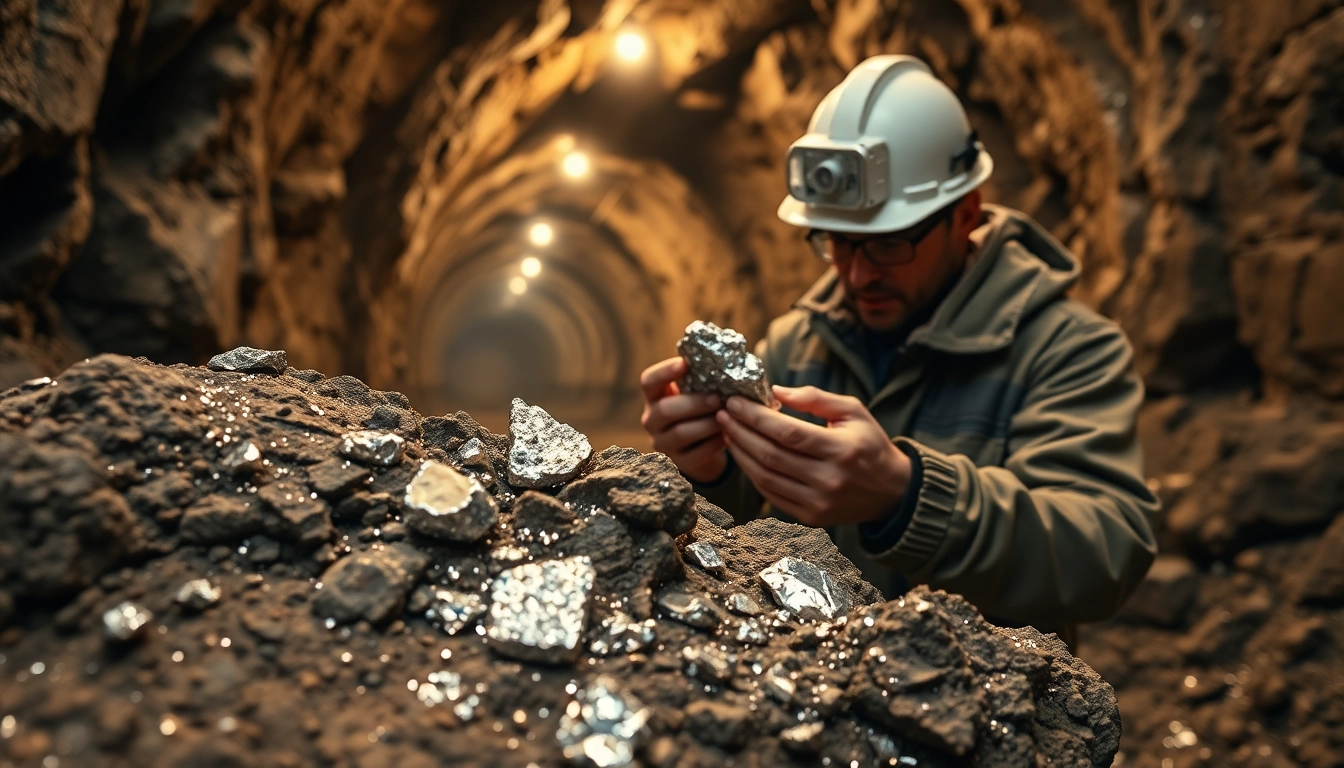
Overview of Minerals Rhodium
Rhodium, a rare and lustrous silvery-white metal, is part of the platinum group and is classified as a group 9 transition metal on the periodic table. This element was discovered in 1803 by British chemist William Hyde Wollaston, derived from the Greek word "rhodon," meaning rose, owing to the rose-colored solutions it forms. Due to its unique properties, including exceptional resistance to corrosion and oxidation, it holds significant importance across various industrial sectors, making a thorough understanding of minerals rhodium critical for economic and technological advancement.
What is Rhodium?
Rhodium is an extremely rare metal, ranking as one of the rarest naturally occurring elements in the Earth’s crust. It is predominantly found in ores containing platinum and nickel, and it is notable for its high melting point of over 1,964 degrees Celsius. Due to its resistance to corrosion, it is often utilized in high-stress environments such as industrial catalytic converters.
Occurrence of Rhodium in Nature
In nature, rhodium occurs in trace amounts, primarily within platinum-group minerals. The overall concentration of rhodium in the Earth's crust is around 0.001 parts per million (ppm). Common sources include ores like those found in South Africa and Russia. Rhodium typically exists as a byproduct in platinum and nickel extraction processes due to its low natural abundance.
Importance of Rhodium in Industry
The industrial applications of rhodium are vast, with its primary use in catalytic converters, which are essential for reducing harmful emissions in automobiles. Additionally, it is vital in the manufacturing of electrical contacts, high-temperature thermocouples, and various chemical reactions where it acts as an effective catalyst due to its high catalytic activity.
Minerals Containing Rhodium
Common Rhodium-bearing Minerals
Various minerals contain rhodium in their composition, including cuprorhodsite, cherepanovite, polkanovite, and miassite. These minerals often co-occur with other precious metals, particularly within deposits of the platinum group. The combination of these precious metals contributes to their mining value and importance within economic geology.
Extraction Processes for Rhodium Ores
The extraction of rhodium involves a multi-step process typically initiated by mining platinum and nickel ores. The ores undergo a series of crushing and milling processes, followed by flotation to separate the precious minerals. Subsequent refining processes employ methods such as hydrometallurgical techniques, which can efficiently isolate rhodium, converting it into usable forms for industrial applications.
Geological Locations of Rhodium-rich Deposits
Significant deposits of rhodium-rich ores are primarily located in the Witwatersrand Basin of South Africa and in the Norilsk region of Russia. These locations boast rich reserves of platinum-group metals, including rhodium. Mining activities in these regions are critical to meet the global demand for rhodium and ensure its sustainable supply for various industries.
Applications of Minerals Rhodium
Rhodium in Catalytic Converters
Rhodium is a key catalyst in automotive catalytic converters, where its role is to facilitate the conversion of toxic gases like carbon monoxide, hydrocarbons, and nitrogen oxides into less harmful emissions. Its effectiveness has made it vital in fulfilling stringent environmental regulations aimed at reducing vehicle emissions, making it an indispensable material within the automotive industry.
Role of Rhodium in Jewelry
In the jewelry market, rhodium is predominantly used for plating to enhance the durability and aesthetic appeal of white gold and silver jewelry. The rhodium plating process adds a reflective surface to the metal, improving its resistance to tarnish and scratches, thereby maintaining its luxurious appearance over time.
Industrial Usage and Demand
The demand for rhodium continues to grow as industries seek to leverage its unique properties. Beyond automotive applications, rhodium is used in the manufacture of specialized glass, as a catalyst in the production of sulfuric acid, and in the electronics industry for producing high-quality connectors and components. This increasing industrial demand has a direct influence on rhodium's market price.
Environmental and Economic Impact of Rhodium Mining
Sustainability Challenges in Rhodium Mining
Mining operations for rhodium and associated platinum-group metals pose various environmental challenges including land degradation, water pollution, and significant energy consumption. Striking a balance between mining practices and environmental preservation is vital as industries aim for sustainable development, necessitating improved mining technologies and practices.
Market Dynamics for Minerals Rhodium
The market dynamics surrounding rhodium are significantly influenced by supply and demand factors. Being one of the rarest metals, its price can fluctuate dramatically based on market conditions, particularly driven by the automotive sector's requirement for catalytic converters. Understanding these dynamics is crucial for stakeholders in the mining and metals industries.
Future Trends in Rhodium’s Applications
As technologies evolve, the applications for rhodium are expected to broaden. Areas such as hydrogen fuel cells and advanced battery technologies indicate emerging trends in which rhodium could play a pivotal role. Additionally, the global shift towards greener technologies indicates a sustained or increased future demand for rhodium, particularly in clean energy applications.
Frequently Asked Questions about Minerals Rhodium
What minerals contain rhodium?
Minerals containing rhodium include cuprorhodsite, cherepanovite, polkanovite, and miassite, typically found with other platinum group metals.
Why is rhodium so valuable?
Rhodium's rarity, combined with its essential use in catalytic converters, makes it one of the most valuable metals in the world.
How is rhodium extracted?
Rhodium is extracted primarily through mining platinum and nickel ores, where it occurs in trace amounts alongside other platinum group metals.
What are the industrial uses of rhodium?
Rhodium is extensively used in automotive catalytic converters, electrical contacts, and as a catalyst in various industrial processes.
Where are major rhodium mines located?
Major rhodium mines are located in South Africa and parts of Russia, where significant platinum group metal deposits are found.