Understanding Fiber Cement Siding
What is Fiber Cement Siding?
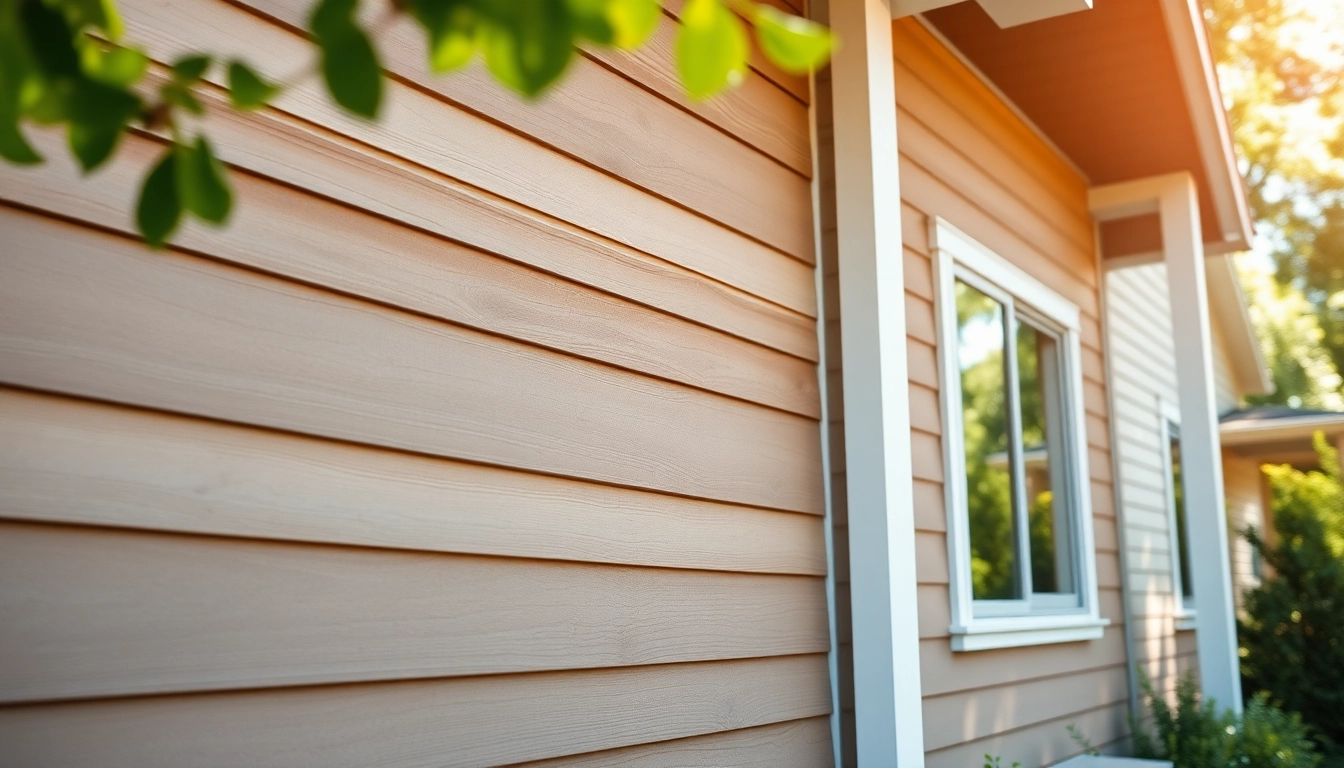
Fiber cement siding is a composite material comprised of cement, sand, and cellulose fibers. Known for its durability and versatility, this siding type offers an aesthetically pleasing exterior for homes and buildings. It has increasingly gained popularity among homeowners and builders due to its ability to mimic the appearance of wood while providing superior resistance to various environmental factors. By opting for fiber cement siding, property owners can achieve lasting beauty and protection.
Composition and Durability
The composition of fiber cement siding contributes significantly to its long-lasting durability. The mixture of Portland cement, silica sand, cellulose fibers, and water provides a product that can withstand extreme weather conditions, including heavy rain, wind, and high temperatures. Additionally, this material is inherently resistant to pests such as termites and does not rot, making it an ideal choice for various climates.
Advantages Over Traditional Siding
Compared to traditional siding materials like wood or vinyl, fiber cement siding offers several advantages. Its resistance to warping, rotting, and insect infestations ensures a longer lifespan. Furthermore, fiber cement's ability to maintain its color and structural integrity over time reduces maintenance costs for homeowners. In addition to its functional advantages, fiber cement siding is available in numerous styles, enabling custom aesthetics that cater to different architectural designs.
Benefits of Fiber Cement Siding
Longevity and Resistance
One of the standout features of fiber cement siding is its longevity. Often lasting 30 years or more, this siding option significantly outlasts options like wood siding, which may need replacement every 10 to 15 years. Its resilience against moisture, rot, and fire is also a considerable benefit, making it a safe and dependable choice for strict building codes and safety standards.
Energy Efficiency and Insulation
Fiber cement siding integrates well with insulation materials, providing considerable advantages for energy efficiency in residential and commercial buildings. When installed correctly, it helps regulate internal temperatures, promoting energy conservation and lowering heating and cooling costs. Additionally, the material's ability to reflect sunlight can thereby reduce energy costs in warmer climates.
Variety of Styles and Colors
Fiber cement siding comes in a variety of colors, textures, and styles, allowing for comprehensive customization in exterior design. Homeowners can choose from smooth, textured, or wood-like finishes, ensuring that the siding aligns perfectly with their desired aesthetic. This flexibility is a desirable feature for both modern and traditional home designs.
Installation Process of Fiber Cement Siding
Preparation Steps
The installation of fiber cement siding begins with thorough preparation. Proper site assessment and measurements are crucial, along with ensuring that the framework meets building codes. Before installation can commence, the existing siding must be removed if present, and any necessary repairs should be made to the underlying structure, such as insulation or weather barrier installation.
Installation Techniques
Installing fiber cement siding requires specific techniques to achieve the best results. Typically, the boards are attached to the structure with nails or screws. It's important to leave proper gaps between the boards for expansion and contraction, which can occur due to climate conditions. Utilization of shims may be necessary to level the installation, and boards should be staggered to enhance durability and aesthetics.
Common Mistakes to Avoid
To ensure a successful installation, certain common mistakes should be addressed. These include inadequate sealing of joints, improper panel alignment, and neglecting to prime cut edges, which could lead to moisture damage. It's crucial to follow manufacturer guidelines and best practices to prevent complications that may arise post-installation.
Maintenance Tips for Fiber Cement Siding
Cleaning and Upkeep
Maintaining fiber cement siding involves regular cleaning to prevent dirt and debris build-up. A simple mix of soap and water is typically sufficient for maintenance. Power washing can also be effective but should be done at a low pressure to avoid damaging the material. Homeowners should inspect their siding at least once a year for signs of wear or damage.
Inspecting for Damage
Regular inspections are essential for ensuring the longevity of fiber cement siding. Homeowners should look for cracks, peeling, or any indication of moisture infiltration. Early detection of issues can facilitate timely repairs and prevent more extensive damage down the line.
Repairing Fiber Cement Siding
If damage is identified, addressing it quickly is critical. Small cracks can often be patched with fiber cement caulk, while larger issues might require replacing specific planks. Additionally, it is recommended to repaint the siding every 5 to 10 years to maintain its appearance and protection.
Cost Considerations for Fiber Cement Siding
Estimating Installation Costs
The cost of fiber cement siding installation can vary widely based on several factors, including material quality, labor costs, and the size of the project. On average, homeowners can expect to spend between $7,500 and $21,000 on a 1,500-square-foot home, depending on the chosen style and installation complexity. Understanding these factors helps in estimating the anticipated expenses accurately.
Long-term Savings
Investing in fiber cement siding often leads to significant long-term savings. While the upfront costs may be higher than traditional materials, the reduced maintenance expenses and longer lifespan can make it a more economical choice over time. Moreover, energy efficiency can contribute to lower utility bills, adding to its overall value.
Budgeting for Maintenance
While fiber cement siding is generally low maintenance, periodic inspections, cleaning, and occasional repainting should be factored into the long-term budget. A well-maintained installation can enhance the siding’s durability and appearance, further extending its life expectancy.
Frequently Asked Questions
1. Is fiber cement siding fire-resistant?
Yes, fiber cement siding is non-combustible and provides excellent fire resistance, making it a safe option for homeowners.
2. How long does fiber cement siding last?
When properly maintained, fiber cement siding can last over 30 years, offering long-term durability compared to other siding materials.
3. Can I paint fiber cement siding?
Yes, fiber cement siding can be painted. Regular re-painting every 5 to 10 years is recommended to maintain its aesthetic appeal.
4. Is fiber cement siding environmentally friendly?
Fiber cement siding is considered environmentally friendly because it’s made from natural materials and is recyclable at the end of its life cycle.
5. Does fiber cement siding require special tools for installation?
Yes, specialized tools such as a circular saw or shears are needed to cut fiber cement siding effectively, ensuring clean edges.