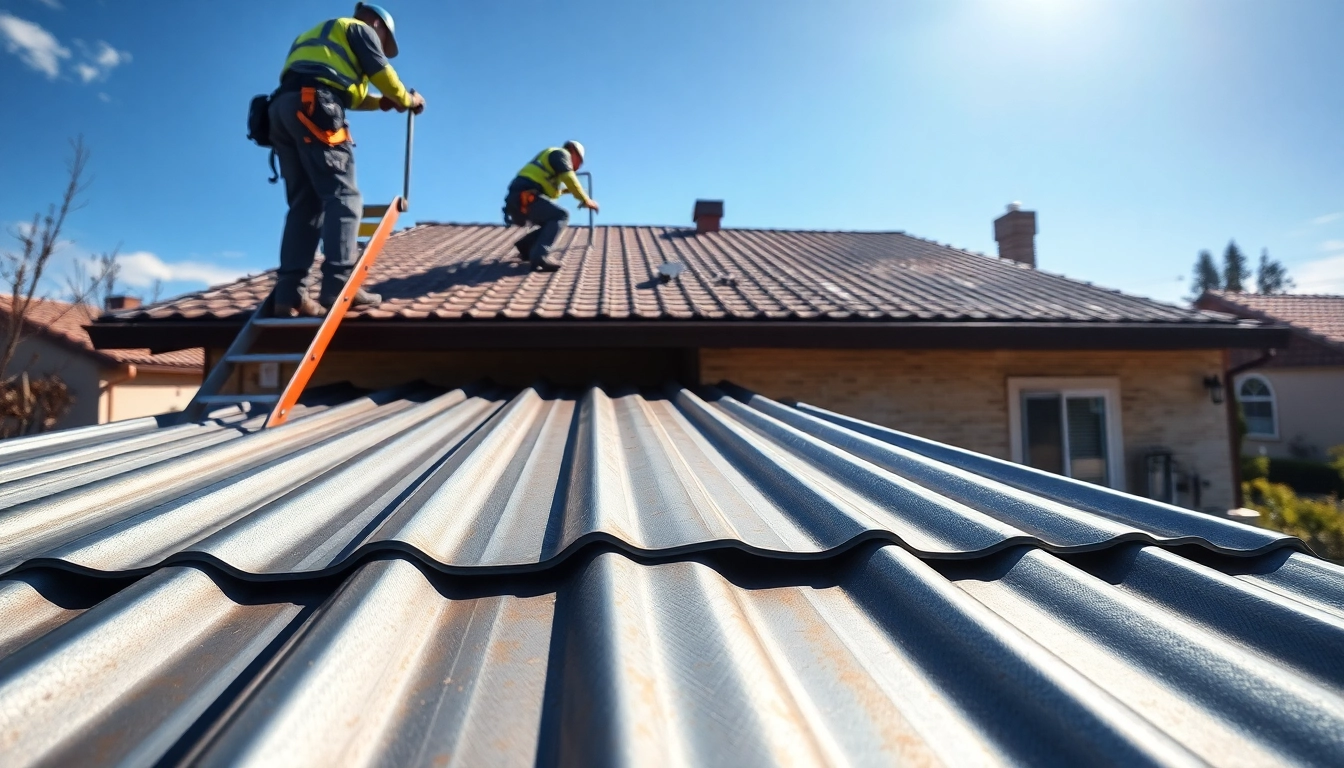
Understanding Metal Roofing
What is Metal Roofing?
Metal roofing is a construction material made from metal pieces or tiles that are designed to protect buildings from weather elements while offering various aesthetic options. This roofing type can be composed of several materials, including steel, aluminum, copper, and zinc. Unlike traditional roofing materials, such as asphalt shingles, metal roofs provide enhanced durability, longevity, and energy efficiency. As the popularity of eco-friendly and sustainable building materials rises, the demand for metal roofing companies has significantly grown in both residential and commercial sectors.
Benefits of Metal Roofing
Metal roofing offers a myriad of advantages that make it a compelling choice for property owners:
- Longevity: Metal roofs can last 40 to 70 years, significantly longer than traditional asphalt roofs which may need replacement after 20 years.
- Durability: Resistant to extreme weather conditions such as high winds, heavy rains, and snow. Metal roofs are also non-combustible and resistant to rust and corrosion.
- Energy Efficiency: Metal roofs reflect solar radiant heat, which can reduce cooling costs by 10-25%. Additionally, they can be coated with reflective finishes to enhance energy conservation.
- Eco-Friendly: Many metal roofs are made from recycled materials, and they are fully recyclable at the end of their life cycle, making them a sustainable choice.
- Variety of Styles: Available in numerous colors and styles, metal roofing can mimic the look of traditional shingles, tiles, or slate, providing both functionality and aesthetic appeal.
Common Types of Metal Roofing Materials
There are several types of metal roofing materials available, each with distinct properties and benefits:
- Steel: The most commonly used metal for roofing due to its strength and affordability. Available in galvanized (coated with zinc) or Galvalume (coated with aluminum and zinc) forms.
- Aluminum: Lightweight and resistant to rust, aluminum is ideal for coastal regions where salty air can be an issue.
- Copper: Known for its beautiful patina that develops over time, copper roofs are extremely durable and often used in historical or high-end applications.
- Zinc: Similar to copper in beauty, zinc roofs are sustainable, with a lifespan of over 100 years when properly maintained.
- Standing Seam: A popular choice for residential and commercial buildings, this type features vertical panels with raised seams, ideal for water drainage.
Selecting Metal Roofing Companies
Essential Criteria for Choosing Companies
Choosing the right metal roofing company is crucial for a successful installation. Here are key criteria to consider:
- Experience: Look for companies with considerable experience in metal roofing installations, as they will have the knowledge to handle unexpected challenges.
- Licensing and Insurance: Ensure the company is licensed, insured, and bonded to protect yourself from liability and guarantee quality work.
- Reputation: Research the company's reputation by reading reviews and testimonials on independent platforms to gauge customer satisfaction.
- Portfolio: Ask for a portfolio of their previous projects to assess the quality of their work and styles.
- Warranty: A solid warranty can be indicative of a company's confidence in its workmanship and the materials used.
Questions to Ask Metal Roofing Companies
Before hiring, consider asking these essential questions:
- What types of metal roofing do you specialize in?
- Can you provide references from previous clients?
- What is the estimated timeline for the project?
- How will you handle unexpected costs that may arise during the installation?
- Do you offer preventative maintenance services or guidance post-installation?
Understanding Company Reviews and Ratings
Scrutinizing online reviews and ratings can provide invaluable insights into a company's reliability and customer satisfaction. Look for:
- Overall rating on platforms such as Google, Yelp, or industry-specific sites.
- Trends in feedback, such as recurring compliments or complaints.
- Responses from the company, as prompt and professional replies can indicate good customer service.
Cost Considerations
Factors Influencing Metal Roofing Costs
The cost of metal roofing can vary widely based on several factors:
- Material Type: Different metals come with different price points; for instance, copper is generally more expensive than steel.
- Roof Size and Complexity: The overall size, pitch, and complexity of the roof design will affect labor and materials costs.
- Location: Regional differences in labor costs and material availability can influence the overall price.
- Removal of Old Roofing: The need to remove existing roofing materials can add to the total cost.
- Accessories: Additional components such as underlayment, flashing, and gutters also contribute to the final cost.
Budgeting for Your Roofing Project
When budgeting for your metal roofing project, consider the total costs involved, including materials, labor, permits, and unexpected expenses. It's wise to allocate an additional 10-15% for contingencies to accommodate any surprises during the installation process.
Financing Options with Metal Roofing Companies
Many metal roofing companies offer financing options to help ease the financial burden of your project. These may include:
- Installment Plans: Spread the costs over a series of manageable payments.
- Low-Interest Loans: Some companies partner with financial institutions to provide affordable loan rates.
- Promotional Offers: Look out for promotional financing options, especially during peak seasons.
Installation Processes
Getting a Quote from Metal Roofing Companies
Requesting quotes is a crucial first step in hiring a metal roofing company. To ensure accurate estimates, provide detailed information about your project, including roof size, material preference, and any particular design features you desire. Most companies will provide a free, no-obligation quote and an on-site evaluation.
Step-by-Step Installation Overview
The installation process typically involves several steps:
- Preparation: The existing roof and underlayment are assessed, and necessary repairs are made.
- Installation of Underlayment: A weather barrier is laid down to protect against moisture.
- Metal Panels Installation: Panels are installed starting from the roof's lower edge, overlapping as needed for water protection.
- Flashing and Trim: Flashing is installed around roof features like chimneys and vents, followed by the installation of trim pieces to enhance appearance and protect edges.
- Final Inspection: A thorough inspection is conducted to ensure quality and confirm no issues remain.
Post-Installation Maintenance Tips
To ensure the longevity of your metal roof, follow these maintenance tips:
- Conduct regular inspections, especially after heavy storms or severe weather.
- Clean gutters and downspouts to prevent water buildup that could harm your roof.
- Check for loose or damaged panels and secure them promptly.
- Trim back overhanging branches that could scrape or damage the roof.
- Consider professional maintenance for thorough inspections and upkeep.
FAQs About Metal Roofing Companies
How do I evaluate the reputation of metal roofing companies?
Evaluate a company's reputation by checking online reviews, ratings on platforms such as Google, and references from previous clients. Consistent positive feedback often indicates reliability.
What warranties should I look for with metal roofing companies?
Look for comprehensive warranties that cover both materials and workmanship. Lifetime warranties on materials and a minimum of five years on labor are ideal.
How long does the metal roofing installation process take?
Installation time varies based on roof size and complexity, typically ranging from a few days to a week. Weather conditions may also affect the timeline.
Are metal roofs energy-efficient compared to others?
Yes, metal roofs are highly energy-efficient. They reflect heat instead of absorbing it, which can enhance energy savings, particularly in warmer climates.
What maintenance is required after metal roofing installation?
Regular inspections for debris, cleaning gutters, and checking for loose fasteners are critical for maintenance. Occasional professional inspections can help ensure longevity.