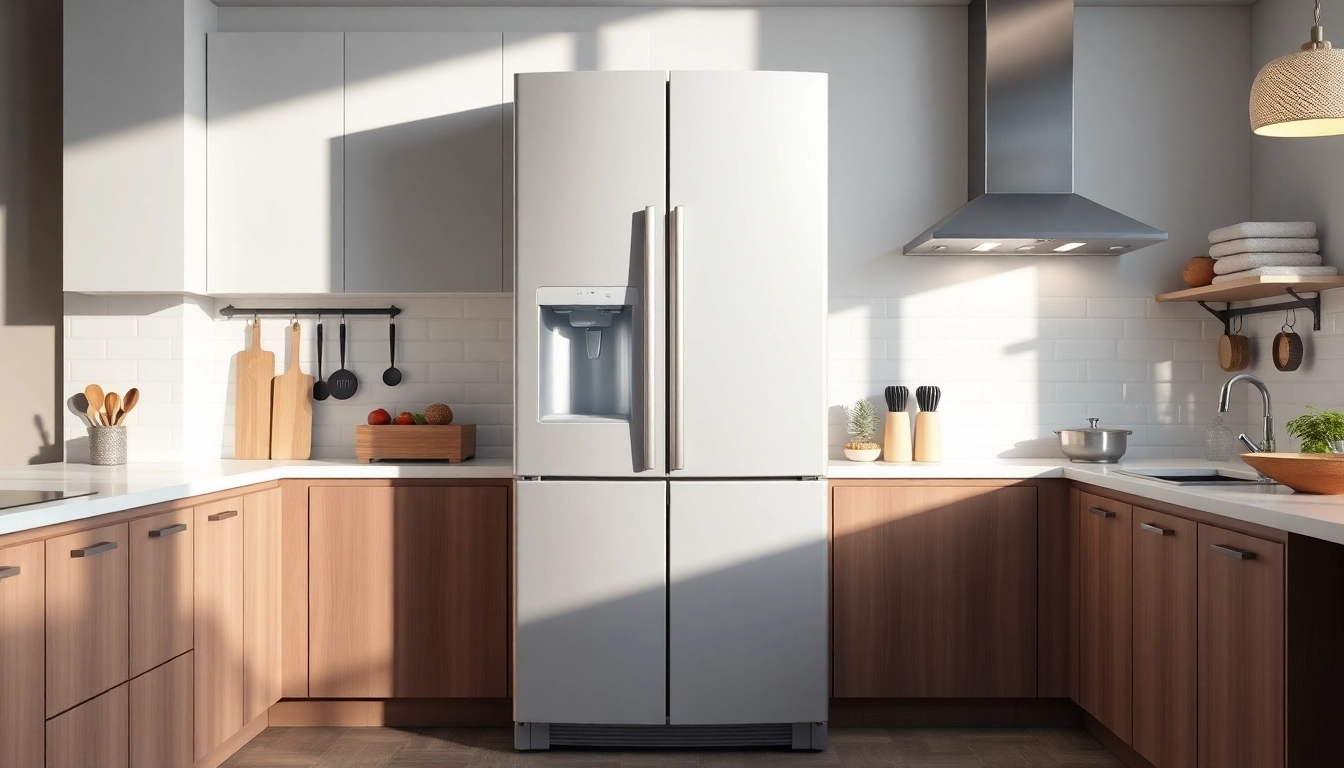
Understanding Refrigerator Types
The variety of Refrigerator types available today can make the selection process daunting. With advancements in technology and design, each type offers unique features tailored to different needs and preferences. Understanding these types is crucial for anyone looking to purchase a new refrigerator.
Top-Freezer Refrigerators
Top-freezer refrigerators, one of the most traditional styles, boast a design where the freezer compartment is located on the top. This design allows for easy access to frequently used items in the refrigerator section. Generally regarded as space-efficient, these models are often less expensive than their counterparts. They usually come with adjustable shelves, allowing for flexible space management. Moreover, consumers appreciate their energy efficiency, aligning with modern demands for sustainability.
Side-by-Side Refrigerators
Side-by-side refrigerators provide a modern solution by placing the refrigerator and freezer compartments next to each other. This design often includes various features such as water dispensers and ice makers, enhancing user convenience. One of the significant advantages of side-by-side models is that they allow for easy access to both compartments without bending or reaching awkwardly. While they may not offer as much storage space as other types, they compensate with features that cater to the contemporary lifestyle.
French-Door Refrigerators
French-door refrigerators take elegance and functionality to new heights, featuring two doors that open to reveal the fresh food compartment and a freezer drawer at the bottom. This refrigerator type has increased in popularity due to its aesthetic appeal and efficient organization. With wider shelves that accommodate larger items and multiple drawers for easy organization, they are particularly suited for families or individuals who require ample storage with a design that fits modern kitchens.
Key Features to Look for When Buying a Refrigerator
When searching for the perfect refrigerator, knowing what features matter most is essential. From insulation technology to special functionalities, understanding these key aspects can greatly enhance your buying experience.
Energy Efficiency Ratings
Energy efficiency is crucial when considering a Refrigerator. Models that come with Energy Star ratings typically consume less electricity, translating to savings on utility bills over time. Additionally, energy-efficient models often have better insulation and advanced compressor technology, ensuring that they maintain optimal temperatures without excessive power consumption.
Storage Capacity and Organization
Storage capacity plays a significant role in the refrigerator selection process, as it directly impacts usability. The size should reflect your lifestyle–families may need larger capacities, while single users might prioritize compact design. Look for adjustable shelves, drawers, and door bins that aid in organizing different food types efficiently. Consider models with a flexible design that adapts to your storage needs.
Special Features (Ice Makers, Water Dispensers)
Modern refrigerators often come equipped with special features such as ice makers and water dispensers. These conveniences save time and space, providing easy access to cold beverages and ice. Some models even offer features like temperature-controlled drawers for specific items such as deli meats or fruits to maintain freshness. When evaluating these features, consider how often you will use them and whether they align with your lifestyle needs.
Common Challenges in Refrigerator Selection
Among the many decisions a consumer faces, selecting the right refrigerator is often fraught with challenges. Understanding these common pitfalls can lead you to make a more informed choice.
Size and Space Considerations
Before making a purchase, it is vital to measure both the intended space in your kitchen and the refrigerator itself. This includes door clearance, height, and width. Many buyers overlook how model dimensions translate to installation space, which can lead to unexpected hassles. Make sure to factor in clearance for ventilation as well as accessibility for maintenance and repairs.
Choosing Between Styles and Functionality
With several refrigerator styles available, consumers often grapple with the choice between aesthetics and functionality. A design may be visually appealing but offer limited storage or features. On the other hand, utility-focused models may lack the sleek look desired for modern kitchens. It’s essential to find a balance–styles that marry both beauty and function are preferable and more practical for long-term satisfaction.
Budget vs. Features Trade-offs
Budget constraints significantly influence many buyers’ decisions when selecting a refrigerator. More features often equate to higher costs. It’s worthwhile to research what features you’ll truly benefit from and if there are cost-effective alternatives available. Budgeting for quality can often save money long-term as high-end models generally have longer lifespans and fewer repairs.
Maintenance Tips for Your Refrigerator
Regular maintenance is imperative to prolonging the life of your refrigerator while ensuring it operates efficiently. Below are essential maintenance tips that will help you keep your appliance in excellent condition.
Regular Cleaning and Care
Cleaning your refrigerator regularly is vital for hygiene and optimal performance. For general care, periodically clean the interior with warm soapy water, and wipe down the seals and gaskets to prevent cracking and dirt accumulation. Additionally, cleaning the condenser coils every six months can significantly improve energy efficiency and performance, ensuring that the unit runs smoothly.
Monitoring Temperature Settings
Monitoring ideal temperature settings can drastically improve food safety and longevity. The FDA recommends keeping refrigerator temperatures at or below 40°F and freezers at 0°F. Installing a thermometer can help you keep track of these settings. Regular adjustments based on seasonal changes can also ensure proper cooling without overworking the unit.
Addressing Common Issues Effectively
Common issues in refrigerators include premature frost build-up, unusual noises, or inconsistent temperatures. Identifying simple fixes may save you from costly repairs. For example, if you notice frost build-up, check door seals for damage or clean the vents. On the other hand, if the refrigerator is making unusual noises, inspecting the components may uncover simple fixes like tighten loose screws or ensure that items are not touching the back wall.
FAQs About Refrigerators
What size Refrigerator do I need for my kitchen?
The size you need depends on your household size and kitchen space. A general guideline is 4-6 cubic feet per person for food storage.
How often should I clean my Refrigerator?
Cleaning your refrigerator every 3 to 4 months is recommended, while spills should be cleaned immediately to prevent odor and bacteria build-up.
Can a Refrigerator run without a compressor?
No, a compressor is essential for maintaining the cooling cycle within the refrigerator. If it fails, the appliance will not cool properly.
What is the average lifespan of a Refrigerator?
The average lifespan of a refrigerator is between 10 to 15 years, depending on usage and maintenance quality.
Should I choose a new or used Refrigerator?
New refrigerators come with warranties and advanced features, while used may save money initially but could require more repairs. Assess your budget and usage needs.