admin
admin 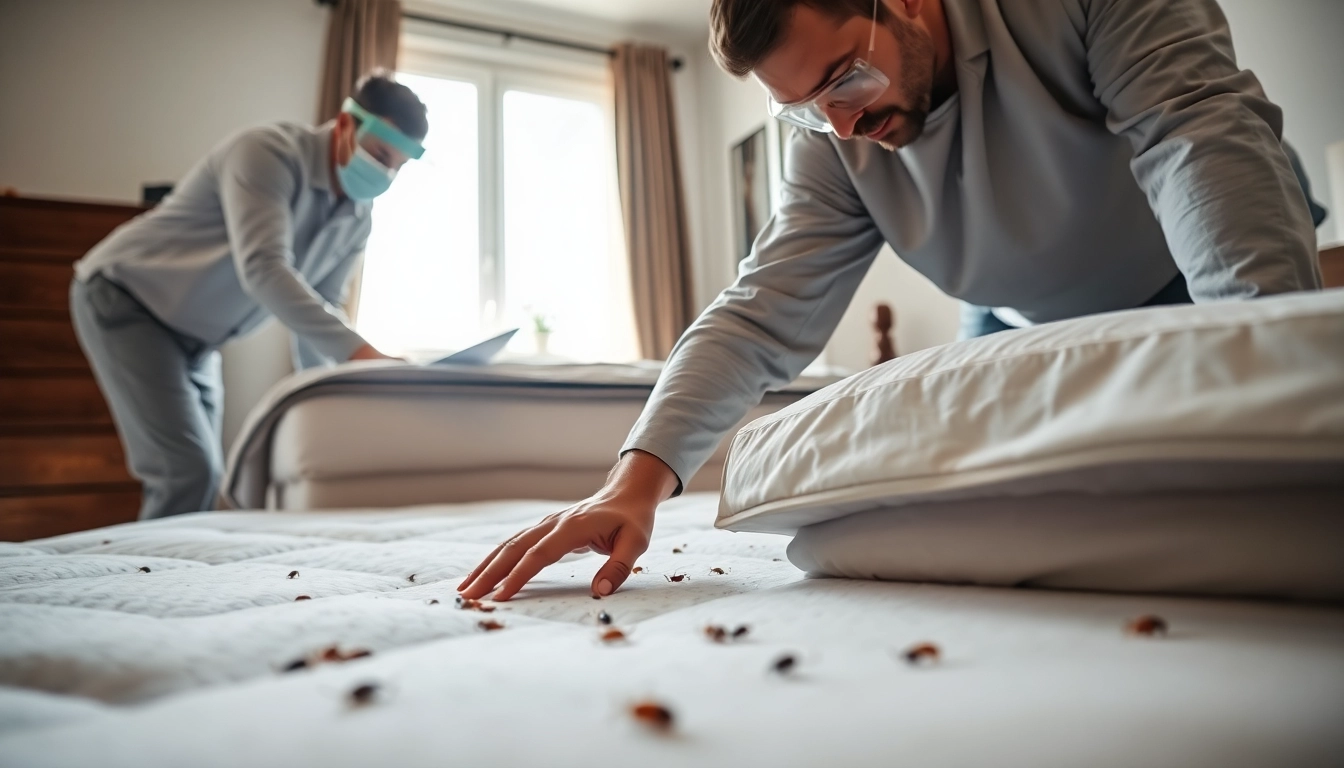
Understanding Bed Bugs
What are Bed Bugs?
Bed bugs are small, parasitic insects that feed on the blood of humans and animals. They are roughly the size of an apple seed, with adults measuring about 1/4 inch. These pests are nocturnal and tend to hide in and around beds, making nighttime feeding on their unsuspecting hosts easier. Bed bugs are becoming increasingly common in homes, hotels, and other accommodations due to their ability to hitch rides on clothing, luggage, and used furniture.
Signs of a Bed Bug Infestation
Detecting a bed bug infestation early is crucial for effective treatment. Common signs include:
- Bites: Red, itchy welts on the skin that resemble mosquito bites.
- Exoskeletons: Shed skins left behind as bugs mature.
- Blood Stains: Small reddish-brown spots on sheets or mattresses from crushed bugs.
- Fecal Spots: Tiny dark spots, usually seen on sheets, mattress seams, or furniture.
- Musty Odor: A sweet, unpleasant smell from bed bug pheromones, typically noticed if infestations are severe.
Health Risks Associated with Bed Bugs
While bed bugs do not transmit diseases, their bites can lead to various health issues, including allergic reactions, secondary infections from scratching, and insomnia due to discomfort and anxiety related to the infestation. Long-term exposure can lead to increased stress and decreased quality of life.
Methods of Bed Bug Treatment
Heat Treatment Explained
Heat treatment is one of the most effective bed bug treatments. It involves raising the temperature of all infested areas to a level lethal to bed bugs (typically above 120°F). This method ensures the elimination of all life stages, including eggs, larvae, and adults. Professional exterminators often use specialized equipment to ensure even heat distribution in concealed places. Heat treatment is non-toxic, making it an attractive option for families and individuals concerned about chemical exposure.
Chemical Treatments and Pesticides
Chemical treatments involve using insecticides specifically formulated to target bed bugs. These can come as sprays, dusts, or foggers. It’s essential to choose products that are registered with regulatory agencies and effective against bed bugs. The key to successful chemical treatment is proper application and adherence to safety guidelines. Treatments may require multiple applications, particularly for severe infestations, as some bed bugs may survive initial treatments.
Natural Remedies for Bed Bugs
For those looking for alternatives to chemical treatments, several natural remedies can help manage bed bug infestations. These methods often lack the immediacy of chemical solutions but can be part of an integrated pest management approach. Examples include:
- Diatomaceous Earth: This natural powder damages the exoskeleton of bed bugs, leading to dehydration.
- Essential Oils: Oil of lavender, tea tree oil, and peppermint have shown some efficacy against bed bugs, although more research is needed to confirm their effectiveness as standalone treatments.
- Steam Cleaning: High-temperature steam can kill bed bugs on contact. This method is effective for bedding, carpets, and upholstery.
Preparing Your Home for Treatment
Steps to Take Before Treatment
Preparation is crucial for effective bed bug treatment. Key steps include:
- Declutter the infested area to reduce hiding spots.
- Launder clothing and linens in hot water and dry on high heat.
- Vacuum carpets, floors, and furniture thoroughly, sealing the bag afterward.
- Remove or treat infested furniture items.
How to Isolate Infested Areas
To prevent the spread of bed bugs during treatment, it’s essential to isolate affected areas. Move the bed away from walls and furniture, ensuring it’s six inches from any other items. You can also encase mattresses and box springs in protective covers to contain any remaining bed bugs and prevent new infestations.
What to Expect During Treatment
During a professional treatment, technicians will first assess the severity of the infestation. Depending on the method chosen, treatments can take anywhere from a few hours to a couple of days to complete. It’s common to be instructed not to re-enter treated areas for a specified time, especially after chemical applications. Follow-up visits or treatments might be necessary to ensure complete eradication.
Post-Treatment Guidelines
Monitoring and Follow-Up
After treatment, vigilant monitoring is crucial. Regularly check for signs of bed bugs for up to several weeks post-treatment. Install monitoring devices that can help detect residual bed bugs in high-risk areas. Should signs reappear, reach out to pest control professionals immediately for advice.
Preventive Measures to Avoid Reinfestation
Keeping bed bugs at bay requires ongoing vigilance. Limit clutter, vacuum regularly, and ensure that your bedding area remains organized. Avoid bringing in used furniture or clothing without inspecting them thoroughly, and be cautious when traveling by checking hotel rooms for signs of bed bugs.
When to Call a Professional Exterminator
If the infestation persists despite DIY efforts or if the affected area overwhelms you, it’s best to consult a professional exterminator experienced in bed bug treatment. Their expertise can make a significant difference in achieving a pest-free environment.
Frequently Asked Questions About Bed Bug Treatment
What is the most effective bed bug treatment?
The most effective bed bug treatment usually combines heat treatment with chemical applications. This integrated approach targets all stages of the pest’s life cycle.
How can I identify bed bug bites?
Bed bug bites often appear as itchy, red welts in a line or cluster. They can resemble mosquito bites and typically occur on exposed skin while sleeping.
Are bed bug treatments safe for pets?
While many bed bug treatments are safe for pets, it’s essential to follow guidance from professionals about treatment types and any required precautions before reintroducing pets into treated areas.
How long does bed bug treatment take?
Bed bug treatment duration varies but typically takes from a few hours to several days, depending on the level of infestation and the chosen treatment method.
Can I do bed bug treatment myself?
While DIY methods are available, they might not be sufficient for severe infestations. Professional help is often more effective, especially for larger issues.