admin
admin 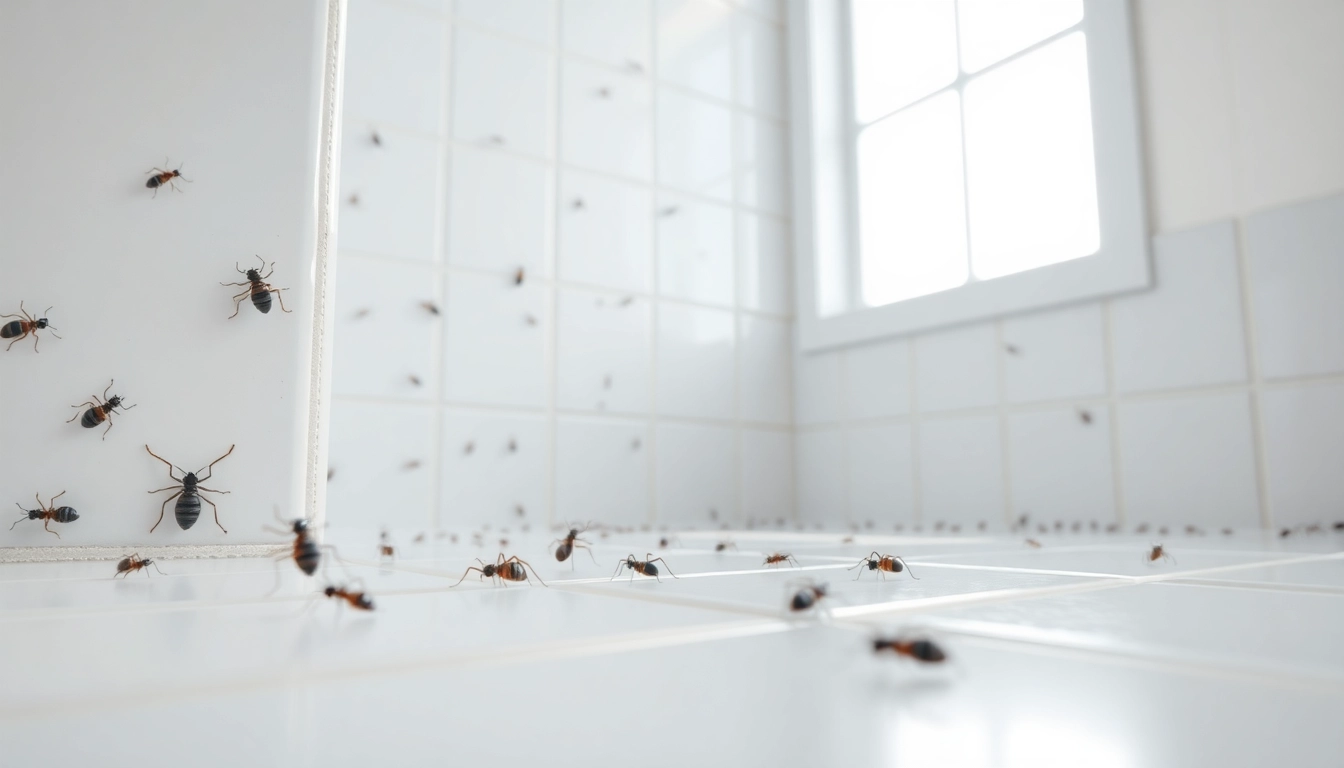
Understanding the Causes of Bugs in Bathroom Control
Why Bugs Are Attracted to Bathrooms
Bathrooms provide the perfect environment for various insects, primarily because of their inherent moisture and warmth. Bugs are drawn to water sources, making bathrooms a major target. Poorly ventilated areas create high humidity, which often leads to an infestation. Common bugs found in bathrooms can include ants, cockroaches, and tiny drain flies. If you’re experiencing an issue with bugs in bathroom control, understanding their attraction to such environments is key.
Common Types of Bugs in Bathrooms
Different species of bugs frequent bathrooms due to their conducive conditions. Among the most prevalent are:
- Ants: Typically drawn to food particles and moisture.
- Cockroaches: Thrive in warm, damp areas and can spread bacteria.
- Drain flies: Love organic matter found in drains and are a sign of poor drainage.
- Silverfish: Seek moisture and are often found near bathroom cupboards.
- Centipedes: While scary, they are beneficial as they prey on other insects.
How Moisture Contributes to Infestations
Moisture serves as a catalyst for bug infestations. The humid environment of a bathroom makes it a suitable breeding ground for pests. Bugs such as silverfish thrive with an excess of moisture, which is often exacerbated by leaky sinks or faucets. Furthermore, an unventilated bathroom increases humidity levels, further enticing bugs to congregate.
Preventative Measures for Bugs in Bathroom Control
Essential Cleaning Routines
Regular cleaning is the frontline defense against bugs in bathrooms. Focus on:
- Wiping down surfaces with disinfectants.
- Cleaning drains regularly to remove food sources.
- Removing clutter, as it offers hiding spots for pests.
- Vacuuming to pick up small crumbs and debris.
Sealing Cracks and Crevices
Another vital step in preventing infestations involves sealing gaps around plumbing lines, windows, and doors. Bugs can squeeze through tiny spaces, so employing caulk or foam to seal these areas will minimize access points for pests. Regularly inspect your bathroom for any new cracks or entry points that might arise.
Improving Bathroom Ventilation
Ensuring your bathroom is well-ventilated can drastically reduce humidity levels. Utilize exhaust fans while showering and consider leaving the door open after use. If natural ventilation through windows is not possible, installing vent fans can significantly improve airflow and deter moisture-loving bugs from settling in.
Effective Methods for Bugs in Bathroom Control
Natural Remedies for Bug Control
In-home pest control options are both effective and environmentally safe. Some natural remedies to consider include:
- Essential oils: Oils like peppermint or tea tree oil can act as natural repellents.
- Boric acid: When used carefully, it can deter silverfish and cockroaches.
- Vinegar solutions: Spray diluted vinegar in areas where bugs appear.
When to Call a Pest Control Professional
If you’ve tried preventative measures and your bug problem persists, it may be time to reach out to a pest control professional. They possess expertise and tools that can effectively tackle infestations, ensuring bugs do not return. Professionals may also provide insights on potential breeding grounds within your home.
Using Traps and Chemical Solutions Safely
Traps can be quite useful in controlling pests. Sticky traps can be placed in corners to catch insects like cockroaches and ants. Chemical solutions should be used judiciously; read labels and ensure they’re safe for bathroom use. Take precautions to protect children and pets from exposure by applying treatments during times when the area can remain unoccupied.
Identifying Bugs in Bathroom Control
Spotting Signs of Infestation
Look for visible signs to determine whether there is an infestation. Droppings, shed skins, and actual sightings of bugs are indicators. In bathrooms, pay attention to drain areas, corners, and under sinks, as these are common hiding spots.
How to Differentiate Between Common Bugs
Learning to distinguish between common bathroom bugs is important. For example:
- Ants: Often appear in strings and are usually small and black.
- Cockroaches: Flat, oval-shaped, and likely to scuttle quickly.
- Drain flies: Small, fuzzy flies that may hover near wet areas.
Understanding Bug Life Cycles
Understanding the life cycle of bugs can inform your control methods. For instance, some bugs lay eggs in moist areas; thus, controlling moisture could prevent future generations. Quick action upon spotting bugs can disrupt their life cycle, halting infestations before they thrive.
Maintaining a Bug-Free Bathroom Environment
Regular Maintenance and Inspections
Consistent inspections can aid in catching bug issues before they become large infestations. Look for signs of moisture, mold growth, or leaks which can invite pests in. A thorough check during cleaning can help maintain a bug-free environment.
Creating an Unwelcoming Environment for Bugs
Creating a less inviting space for bugs is easier than you might think. Keep the bathroom tidy, reduce clutter, and ensure that moisture levels remain low. Implementing dehumidifiers, particularly in older homes, can make a significant difference.
FAQ: Common Concerns About Bugs in Bathrooms
1. How do I get rid of bugs in my bathroom?
To eliminate bugs, ensure your bathroom is dry, clean frequently, seal cracks, and maintain good ventilation. Use traps or call pest control if necessary.
2. Why are bugs always in my bathroom?
Bugs are attracted to the warmth and moisture in bathrooms. Water sources and food debris encourage them to invade these areas.
3. Can bleach get rid of water bugs?
While bleach can kill some bugs, it may not eliminate their larvae and can damage plumbing. Using traps and proper cleaning is generally safer and more effective.
4. What types of bugs can I find in my bathroom?
Common bathroom bugs include ants, cockroaches, silverfish, and drain flies. Each has unique preferences for moisture and food sources.
5. Are natural remedies effective in controlling bathroom bugs?
Yes, natural remedies like essential oils or vinegar can deter certain pests when applied regularly, but severe infestations might require professional help.