admin
admin 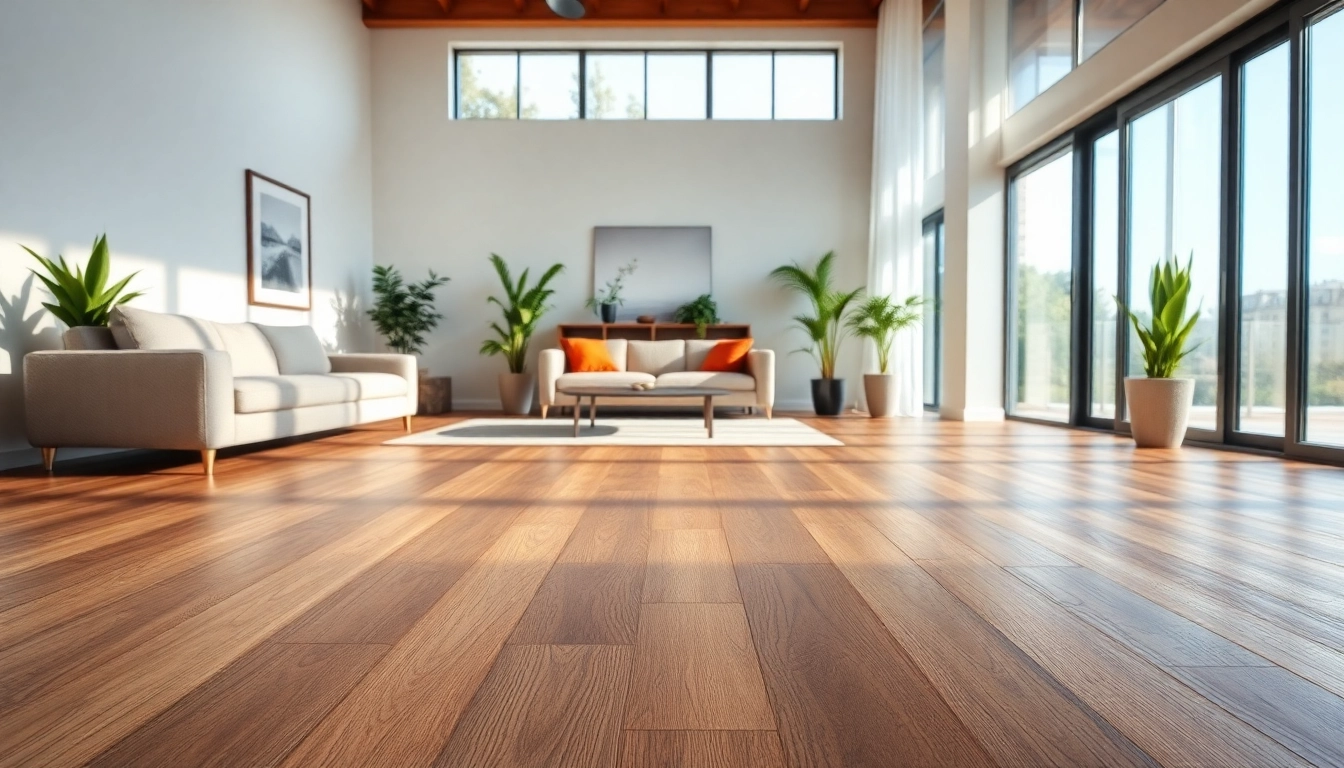
The Benefits of Choosing Vinyl Flooring
When it comes to upgrading your home’s flooring, considering vinyl flooring can deliver a multitude of advantages. This flooring option has gained immense popularity due to its robust features and aesthetic appeal. From residential homes to commercial spaces, vinyl flooring stands out as a versatile solution. Understanding its myriad benefits can help homeowners make an informed choice.
Durability and Longevity
One of the most significant benefits of vinyl flooring is its durability. Made from resilient materials, vinyl flooring can withstand heavy foot traffic, making it an ideal choice for busy households or commercial environments. Unlike hardwood or laminate, vinyl is also less prone to scratches, dents, and moisture damage. High-quality vinyl flooring can last between 10 to 25 years, dependent upon the installation and maintenance practices in place. To maximize its lifespan, regular maintenance, such as sweeping and occasional deep cleaning, is highly recommended.
Cost-Effectiveness Compared to Other Flooring
In terms of affordability, vinyl flooring is one of the most budget-friendly options on the market. With prices typically ranging from $2 to $8 per square foot, it easily outperforms hardwood, stone, or ceramic tiles in terms of initial costs. Vinyl flooring also offers a significant return on investment. Since it requires less upkeep, homeowners save on replacement costs and maintenance services over the years, making it a smart financial choice.
Variety of Styles and Colors
Vinyl flooring comes in an astonishing array of styles, patterns, and colors, allowing homeowners to achieve their desired aesthetic. Whether you prefer the rustic charm of wood, the elegance of stone, or a modern, abstract design, vinyl flooring can replicate these looks without the associated costs and upkeep. With evolving technology, many vinyl products now feature realistic textures and finishes that closely mimic natural materials, further broadening design possibilities.
Understanding Different Types of Vinyl Flooring
Choosing the right type of vinyl flooring is crucial for optimizing its performance and maximizing your investment. There are several options available, each providing unique benefits and characteristics suited to different spaces and lifestyles.
Luxury Vinyl Planks vs. Vinyl Tiles
Luxury vinyl planks (LVP) and vinyl tiles are among the most popular vinyl flooring options. Luxury vinyl planks are designed to mimic hardwood floors, giving a sophisticated and chic look to any space. They are often thicker and have a more robust construction, which makes them more resilient and comfortable underfoot.
On the other hand, vinyl tiles are versatile and come in square shapes resembling traditional ceramic tiles. They can be used to create intricate patterns. Both options are water-resistant, which makes them suitable for kitchens, bathrooms, and other moisture-prone areas.
Sheet Vinyl: Pros and Cons
Sheet vinyl is another popular choice, characterized by its large, continuous sheets that cover the entire floor area with minimal seams. This makes it an excellent option for avoiding water penetration and stains. However, installation can be challenging due to the need for precise measurements and cutting. While it is generally less expensive, sheet vinyl may offer fewer design options than LVP or vinyl tiles.
Eco-friendly Options in Vinyl Flooring
As sustainability becomes increasingly important, many manufacturers are producing eco-friendly vinyl flooring options. This includes products made from recycled materials or those that emit lower volatile organic compounds (VOCs). Homeowners seeking to minimize their environmental footprint can find certifications like GreenGuard Gold that indicate healthier air quality. Selecting eco-friendly vinyl flooring not only contributes to a more sustainable world but also enhances indoor air quality.
Steps for Proper Vinyl Flooring Installation
Installing vinyl flooring may appear daunting, but understanding the steps involved can simplify the process. With an emphasis on preparation and technique, homeowners can achieve professional-looking results.
Preparing Your Space
Before installing vinyl flooring, proper surface preparation is essential. The subfloor must be clean, dry, and level to ensure the longevity of the flooring. Any existing flooring should be removed if it is loose or heavily worn. If you’re installing vinyl over existing floors, ensure they are fixed, smooth, and level. It’s advisable to acclimate the vinyl flooring in the installation area for 48 hours prior to laying it down to avoid expansion or contraction once it’s installed.
Common Installation Techniques
There are several installation methods for vinyl flooring, including glue-down, click-lock (floating), and loose lay. The choice of installation method depends on the type of vinyl flooring and the specific needs of the space:
- Glue-down: Ideal for high-traffic areas, this method involves applying adhesive directly to the subfloor.
- Click-lock: This floating floor method is easy to install and doesn’t require adhesive. The planks lock together and can be removed without damage.
- Loose lay: This method utilizes the weight of the vinyl to hold it in place, making it simple to install and replace.
Aftercare and Maintenance Tips
Post-installation care is vital to ensuring the durability of your vinyl flooring. Regular sweeping, vacuuming, or mopping with a gentle cleaner can prevent dirt buildup. Avoid harsh chemicals or abrasive cleaners that may damage the surface. It’s beneficial to place rugs or mats in high-traffic areas and clean spills immediately to avoid stains. With proper care, vinyl flooring can maintain its beauty and functionality for years.
How to Choose the Right Vinyl Flooring for Your Home
Choosing the right vinyl flooring involves considering various factors that align with your lifestyle, aesthetic preferences, and functional requirements.
Evaluating Your Lifestyle Needs
Consider how the space will be used. For busy areas like kitchens and living rooms, opt for durable vinyl options that can withstand wear and tear. If you have pets or children, choose scratch-resistant models. Evaluate the moisture levels in your home as well, as this may influence the type of vinyl flooring best suited for your needs.
Matching with Existing Décor
Your vinyl flooring should complement your home’s interior design. Take into account existing color schemes, furniture styles, and room function. For example, a rustic home may benefit from wood-look planks, while a contemporary space might prefer sleek, stone-look tiles. Utilize samples to visualize how different styles will fit into your space.
Consulting Professionals for Guidance
If you’re unsure about your choices, consider consulting with flooring professionals. They can provide insights into the latest trends, recommend products that suit your specific needs, and assist with installation decisions. Their expertise can guide you in selecting vinyl flooring that aligns with both your aesthetic desires and practical requirements, ensuring that your investment is sound.
FAQs about Vinyl Flooring
Is vinyl flooring waterproof?
Yes, vinyl flooring is generally waterproof, making it a great choice for areas like kitchens and bathrooms.
How long does vinyl flooring last?
Vinyl flooring can last between 10-25 years, depending on the quality and maintenance. Regular cleaning can extend its life.
Can I install vinyl flooring over my existing floors?
Yes, vinyl flooring can usually be installed over existing floors, provided they are smooth and clean.
Is vinyl flooring safe for pets?
Yes, vinyl flooring is pet-friendly. It’s easy to clean and resistant to scratches and stains.
What is the cost of vinyl flooring?
The cost of vinyl flooring varies based on style and quality but typically ranges from $2 to $8 per square foot.