admin
admin 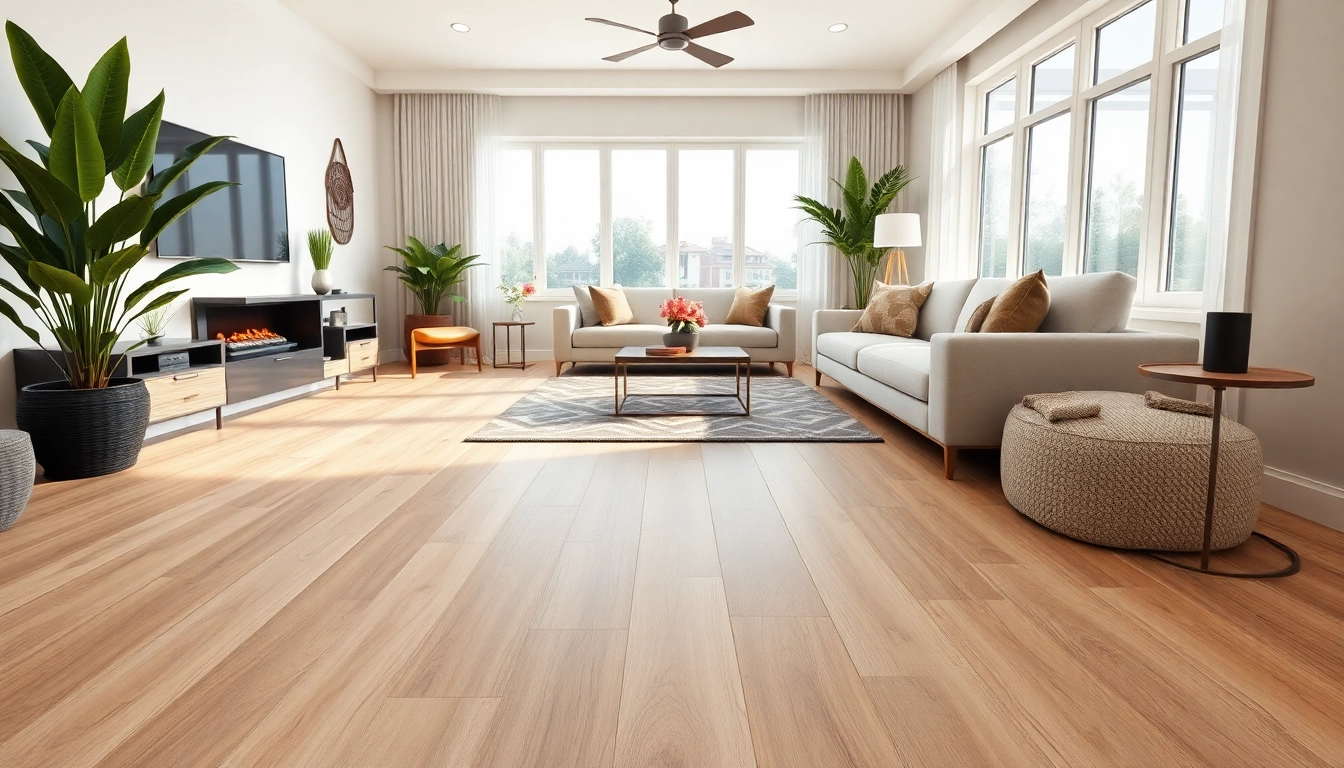
Understanding Vinyl Plank Flooring
What is Vinyl Plank Flooring?
Vinyl plank flooring is a versatile, high-performance flooring material designed to mimic the appearance of natural wood or stone. Made from layers of PVC (polyvinyl chloride), it combines aesthetic appeal with practical advantages. The top layer provides a protective coating that enhances durability and resistance to scratches and stains. Below that, there are multiple layers that add stability, comfort, and sound absorption, making vinyl plank flooring an attractive choice for both residential and commercial spaces. For those exploring options near them, vinyl plank flooring is often highlighted for its crisp visuals and functionality.
Types and Styles of Vinyl Plank Flooring
Vinyl plank flooring comes in various types, each with unique characteristics suited for different needs and preferences:
- Glue-Down Vinyl Plank: This type requires adhesive for installation, making it a stable choice for high-traffic areas.
- Click-Lock Vinyl Plank: Easier to install, this floating floor option clicks together without glue or nails, allowing for quick transformations.
- Semi-Gloss and Matte Finishes: Available in different finishes, homeowners can choose based on their desired aesthetics and maintenance preferences.
- Textured Vinyl Plank: Mimicking the feel of natural wood or stone, textured options add depth and realism to the floor.
Each type and style meets specific needs, ensuring that there’s a perfect fit for every space.
Benefits of Choosing Vinyl Plank Flooring
There are numerous advantages to installing vinyl plank flooring in your home or workplace:
- Affordability: Vinyl plank flooring typically comes at a lower price point compared to hardwood or ceramic tile, making it a cost-effective option.
- Durability: Resistant to moisture, scratches, and dents, it performs exceptionally well in high-traffic areas, such as kitchens and hallways.
- Easy Installation: With options like click-lock systems, homeowners can install vinyl plank flooring without tearing up the existing substrate.
- Minimal Maintenance: Regular sweeping and occasional damp mopping are all that is needed to keep the floors looking pristine.
- Variety in Design: Vinyl plank flooring is available in a wide range of colors, patterns, and styles, allowing homeowners to match the flooring seamlessly with their interior decor.
Installation Process for Vinyl Plank Flooring
Preparing Your Space for Installation
Preparation is crucial for a successful flooring installation. Start by removing old flooring and ensuring that the subfloor is clean, dry, and level. Any imperfections in the subfloor can translate through to the vinyl plank flooring, affecting its appearance and performance. It’s also important to acclimatize your vinyl planks to the room’s temperature and humidity levels, typically for about 48 hours prior to installation.
Step-by-Step Guide to Installing Vinyl Plank Flooring
Follow these steps for a straightforward installation of your vinyl plank flooring:
- Gather Your Materials: Make sure you have all necessary tools, including a utility knife, measuring tape, spacers, and a mallet.
- Measure and Cut: Measure the room precisely and cut your planks accordingly. Always allow for expansion gaps around the edges of the room.
- Start Laying the Planks: If using the click-lock method, start from one corner of the room and work your way out. Ensure the planks are sitting tightly against one another to avoid gaps.
- Secure the Planks: For glue-down options, apply adhesive as per manufacturer instructions and position the planks, ensuring they are firmly secured.
- Finishing Touches: Once all planks are installed, add any transition strips or baseboards to complete the look.
Common Installation Mistakes to Avoid
To ensure a flawless installation, be mindful of these common missteps:
- Skipping Preparation: Failing to prepare the subfloor can lead to an uneven surface and premature failure of the vinyl.
- Not Acclimatizing: Not allowing the planks to adjust to room conditions can lead to expansion and contraction issues after installation.
- Improper Cutting: Measuring twice and cutting once will help to avoid mistakes that could lead to wasted material.
- Neglecting Expansion Gaps: Always leave space around edges to accommodate for movement, which is vital for long-term performance.
- Ignoring Instructions: Each product may have different installation guidelines, so be sure to follow them closely for optimal results.
Maintenance Tips for Vinyl Plank Flooring
Daily and Weekly Cleaning Practices
Maintaining vinyl plank flooring is simple, requiring minimal effort to keep it looking great. Daily sweeping or vacuuming will help remove dirt and debris, while weekly mopping with a gentle cleaner will keep it sparkling. Avoid harsh chemicals or abrasive tools as they can damage the surface finish.
How to Handle Spills and Stains
Accidental spills are bound to happen, but handling them quickly is key. Use a soft cloth or paper towel to blot—never rub—spills as this can spread the substance further. For tougher stains, a mixture of warm water with a mild detergent can be used, followed by thorough rinsing and drying.
Long-term Care for Vinyl Plank Flooring
Long-term maintenance of your vinyl plank flooring involves occasional deep cleaning and ensuring that any scratches are repaired promptly. Many manufacturers provide specific products designed for cleaning vinyl, which ensures that the finish remains intact without dulling. Depending on foot traffic in the area, consider applying a vinyl floor polish to maintain a fresh look.
Comparing Vinyl Plank Flooring to Other Flooring Options
Cost-Effectiveness of Vinyl Plank Flooring
Vinyl plank flooring is one of the most budget-friendly options available, typically priced lower than hardwood and tile while offering similar aesthetics. Not only does it have a lower upfront cost, but its longevity and minimal maintenance also contribute to reduced life-cycle costs, making it a wise investment for budget-conscious homeowners.
Durability Compared to Hardwood and Tile
While hardwood offers elegance, it is more susceptible to scratches, water damage, and requires regular maintenance. Vinyl plank flooring, on the other hand, is veneer-like with a tough surface that resists wear and tear, making it an excellent choice for active households. Unlike tile, which can shatter upon impact, vinyl is more flexible and forgiving, offering a safer option for families with children or pets.
Style Versatility: What Works Best?
Vinyl plank flooring is available in countless designs, allowing homeowners to replicate the look of natural materials while enjoying superior performance. From rustic wood looks to contemporary stone finishes, it suits a variety of design styles. This versatility can enhance the overall value and appeal of a property, catering to diverse taste preferences.
Frequently Asked Questions about Vinyl Plank Flooring
How long does vinyl plank flooring last?
With proper care, vinyl plank flooring can last 10 to 20 years, depending on quality and foot traffic.
Can I install vinyl plank flooring over existing flooring?
Yes, vinyl plank can often be installed over existing floors, provided they are even and in good condition.
Is vinyl plank flooring waterproof?
Most vinyl plank flooring is waterproof, making it suitable for areas like kitchens and bathrooms.
What is the price range for vinyl plank flooring?
Prices typically range from $2 to $7 per square foot, depending on quality and style.
How can I maintain the shine on my vinyl plank flooring?
Regular cleaning with a gentle cleaner and occasional polishing will help maintain shine and aesthetics.