admin
admin 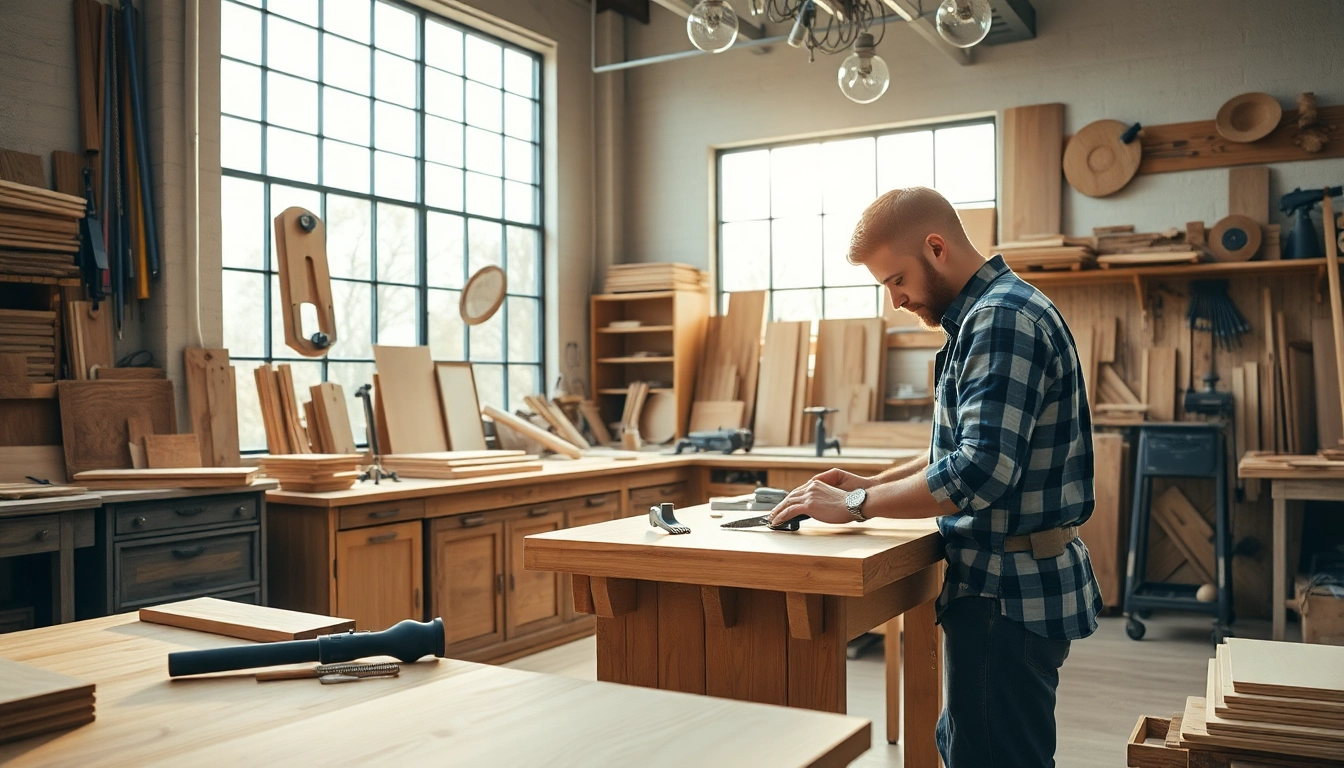
Understanding the Role of a Cabinet Maker
What Does a Cabinet Maker Do?
A cabinet maker is a skilled artisan specializing in the construction and design of cabinets and other furniture. This profession merges artistic creativity with technical knowledge, allowing the cabinet maker to produce custom-built pieces that meet the specific needs and preferences of their clients. From kitchens and bathrooms to offices and living rooms, cabinet makers are adept at creating functional and aesthetically pleasing cabinetry.
The job encompasses multiple tasks, including measuring spaces, selecting appropriate materials, crafting the components, and assembling them into finished products. A reputable cabinet maker will often consult with clients during the design phase to ensure that the final product aligns with their style and requirements.
Key Skills Required for Cabinet Makers
To excel in this craft, cabinet makers must possess a diverse skill set. These skills can be categorized into various areas:
- Technical Skills: Proficiency in woodworking techniques, tool usage, and an understanding of various types of machinery are essential.
- Design Skills: An eye for design helps a cabinet maker create aesthetically pleasing and functional pieces. Knowledge of spatial design and ergonomics is essential.
- Mathematical Skills: Accurate measurements and calculations are crucial when designing cabinets to fit specific spaces.
- Communication Skills: Cabinet makers must also be effective communicators, ensuring they understand client needs while explaining design concepts.
The Importance of Craftsmanship
Craftsmanship plays a pivotal role in the work of a cabinet maker. High-quality craftsmanship not only guarantees durability and longevity but also adds intrinsic value to the furniture. The pride and attention to detail invested in the creation process reflect the maker’s skill level and commitment to excellence. A well-crafted cabinet can become a centerpiece of a room and maintain its appeal over the years, making it an invaluable investment for clients.
Materials Used by Cabinet Makers
Types of Wood for Cabinet Making
Wood is the primary material used by cabinet makers, and various types exhibit distinctive properties suitable for different applications. Common choices include:
- Oak: Known for its strength and durability, oak provides a rustic and warm aesthetic.
- Maple: Prized for its fine, uniform grain, maple is often used for more contemporary designs.
- Cherry: With its rich color and smooth texture, cherry wood ages beautifully over time.
- Plywood: Versatile and often used in cabinetry, plywood is made from layers of wood veneers, offering stability and strength.
Leveraging Sustainable Materials
With an increasing focus on sustainability, many cabinet makers are incorporating eco-friendly practices into their work. This includes using sustainably sourced woods and materials that minimize environmental impact. Reclaimed wood is a popular choice, as it not only reduces waste but also adds a unique character to the finished product. Choosing non-toxic finishes and adhesives further enhances the sustainability aspect of cabinet making.
Choosing the Right Hardware and Finish
The choice of hardware and finish is critical to the overall quality and functionality of cabinetry. Hardware, such as hinges, handles, and drawer slides, must be durable and suit the cabinet’s design. Similarly, the finish can drastically change the appearance of the wood, offering protection against wear and tear while enhancing beauty. Common finishes include paints, stains, and protective coatings that help to preserve the wood and improve maintenance.
Design Principles for Cabinets
Understanding Functionality in Design
Functionality is paramount when designing cabinets. A cabinet maker must consider the intended use and how it will accommodate everyday tasks. Features such as adjustable shelves, pull-out drawers, and optimal spacing are critical to enhancing the user experience. Effective designs ensure that every piece serves a purpose and fits seamlessly into the client’s lifestyle.
Balancing Aesthetics and Practicality
While functionality is vital, aesthetic appeal cannot be overlooked. Beautiful cabinets that enhance a space’s decor are essential for customer satisfaction. A competent cabinet maker can strike the right balance by integrating design elements and practical solutions, such as elegant lines, color coordination, and innovative storage solutions that do not compromise functionality.
Custom vs. Pre-Made Designs
One of the primary decisions clients often face is choosing between custom and pre-made cabinets. Custom cabinetry offers tailored solutions that fit specific spaces and preferences but typically comes at a higher cost. On the other hand, pre-made options may be more budget-friendly but might not fit as seamlessly as custom pieces. A knowledgeable cabinet maker can advise clients on the best choice based on their needs, budget, and desired aesthetics.
The Cabinet Making Process
Initial Design and Planning Phase
The cabinet making process begins with a thorough design and planning stage. During this phase, cabinet makers often collaborate with clients to assess their needs, preferences, and layout requirements. Utilizing design software, cabinet makers can create 3D renderings, enabling clients to visualize the final product and make necessary adjustments before construction begins.
Construction Techniques for Durability
Durability is a crucial factor in the construction of cabinets. Cabinet makers typically employ various techniques, such as mortise-and-tenon joinery, dovetail joints, and pocket-hole fastening. Each technique serves to increase the integrity and longevity of the cabinet, ensuring it withstands daily use. Selecting the right material is also vital; for instance, using high-quality plywood or solid wood makes a significant difference in the final product’s durability.
Finishing Touches for a Professional Look
The finishing stage of cabinet making is where the piece truly comes to life. A cabinet maker will apply stains, paints, and protective coatings to enhance beauty while ensuring durability. Professional sanding and polishing can provide a smooth finish, elevating the overall appearance. These meticulous finishing touches often distinguish high-quality cabinetry from lower-grade options.
Common Challenges and Solutions for Cabinet Makers
Dealing with Wood Flaws
Wood is a natural material, which means that imperfections can occur. Cabinet makers often encounter issues such as knots, splits, or warping. Effective strategies to manage these flaws include selecting high-grade materials, employing expert repair techniques, and using design elements that can creatively incorporate or disguise imperfections.
Addressing Customer Expectations
Managing customer expectations can be one of the most challenging aspects of the cabinet making business. Clear communication during the design and planning phases is essential to establish what clients can realistically expect in terms of aesthetics, functionality, and timelines. Regular updates throughout the process can help keep customers engaged, fostering satisfaction and trust.
Staying Current with Trends
The cabinet making industry is influenced by design trends, customer preferences, and technology. To remain competitive, cabinet makers should stay informed about emerging styles, materials, and techniques. Engaging in professional development, attending trade shows, and participating in workshops can help cabinet makers stay ahead in a fast-evolving market.
Frequently Asked Questions
What is the average cost of custom cabinets?
The average cost varies significantly based on materials, design complexity, and labor. On average, it may range from $500 to $1,500 per linear foot.
How long does it take to make custom cabinets?
Custom cabinets typically take about 4 to 8 weeks to complete after the design is finalized, though timelines may vary based on complexity and workload.
Can I choose any finish for my cabinets?
Yes, cabinet makers usually offer a range of finishes, including stains, paints, and sealants. Personal preferences and the desired look will determine the best choice.
Are cabinet makers also interior designers?
Not necessarily. While many cabinet makers have design knowledge, they primarily focus on cabinetry. However, some integrate both roles, offering design services as part of their work.
What maintenance do custom cabinets require?
Regular dusting, cleaning with mild soap, and avoiding harsh chemicals are essential. Periodic checking for loose hardware also helps maintain functionality.