admin
admin 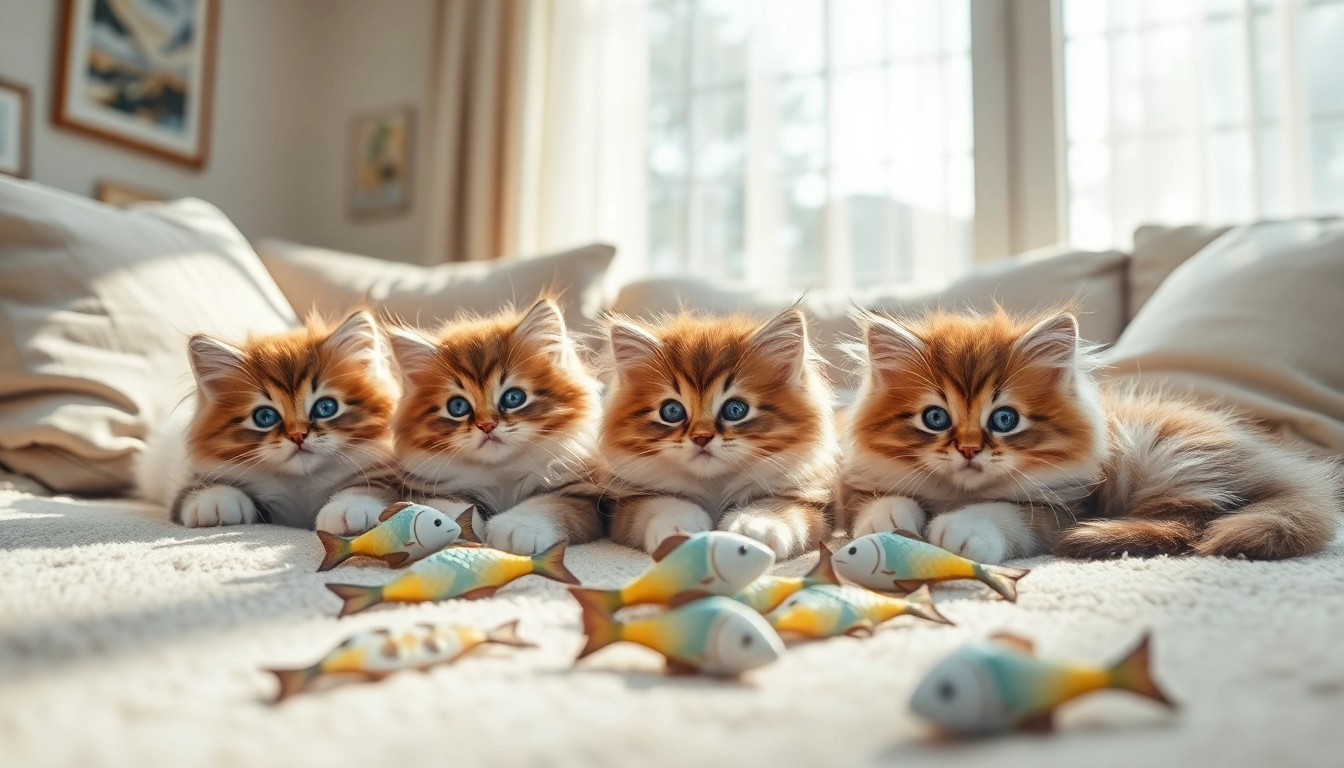
Understanding Maine Coon Kittens
What Makes Maine Coons Unique?
The Maine Coon is one of the largest domesticated cat breeds, celebrated for its impressive size and charming personality. These gentle giants often weigh between 10 to 25 pounds, showcasing robust bodies accompanied by tufted ears, bushy tails, and strikingly vibrant eyes. Their long, shaggy fur is not only aesthetically pleasing but is also functional, designed to withstand harsh climates. With their unique physical traits and adorable looks, owning a Maine Coon is akin to being accompanied by a playful dog rather than a typical cat.
Health Benefits of Owning a Maine Coon
Apart from their enchanting appearance, Maine Coons are known for their relatively good health. They boast a strong genetic resilience to certain hereditary conditions compared to other breeds. Owning a Maine Coon can benefit your mental well-being; their playful, affectionate nature fosters companionship, reducing feelings of loneliness. Moreover, their interactive and engaging personality encourages a more active lifestyle, promoting health for both feline and owner.
Personality Traits to Consider
Maine Coons are renowned for their friendly and sociable demeanor. They often form strong bonds with their human companions and exhibit dog-like qualities, such as following you around the house. Having an affectionate and adaptable nature allows them to get along with children and other pets, making them an excellent addition to various households. Their curiosity and intelligence mean they thrive on stimulation and engagement, so interactive toys are essential.
Caring for Your New Maine Coon Kitten
Feeding and Nutrition Guidelines
Proper nutrition is vital for the health and growth of your Maine Coon kitten. Selecting high-quality cat food rich in proteins, fats, and essential vitamins is crucial for their development. Kittens require more calories than adult cats due to their energy levels and the need for growth. Consult your veterinarian to determining the best feeding plan and schedule to maintain an optimal nutritional balance.
Creating a Safe Environment
Before bringing a Maine Coon kitten home, ensure that your living space is pet-proofed. Secure any exposed wires, remove toxic plants, and ensure that windows and balconies are safely screened. Designate a cozy area for the kitten with a bed, litter box, and food and water dishes. This safe environment will allow them to acclimate comfortably to their new home while minimizing the risk of accidents.
Grooming Essentials for Long Fur
Due to their luscious, long fur, Maine Coons require regular grooming to prevent matting and maintain coat health. A weekly brush is generally sufficient, but more frequent brushing may be necessary during shedding seasons. Be sure to choose the right grooming tools—like a wide-toothed comb and a slicker brush—to avoid hurting your kitten’s skin. Regular grooming sessions can also serve to strengthen the bond between you and your Maine Coon.
Where to Find Maine Coon Kittens for Sale Bay Area
Reputable Breeders vs. Adoption
When searching for Maine Coon kittens for sale Bay Area, it’s essential to differentiate between adopting from shelters and purchasing from reputable breeders. While breeders may provide specific lineage and health guarantees, shelters offer a chance to save a life. Whether you choose one route or the other, ensure the source is ethical and prioritizes the well-being of the animals.
What to Look for in a Breeder
When seeking a reputable breeder, consider several critical factors: the cleanliness of their cattery, the health screenings they perform, and their willingness to provide references. A good breeder should always offer transparency and be knowledgeable about the breed’s characteristics and any health concerns. It’s advisable to visit the breeding facility to observe the living conditions of the kittens and their parents before making a decision.
Rescue Organizations in the Bay Area
Several rescue organizations in the Bay Area specialize in Maine Coons and other breeds. Adopting from a rescue not only provides a loving home to a cat in need but often at a lower cost than purchasing from a breeder. Look for local shelters that prioritize breed-specific rescues, ensuring that the kitten’s temperament aligns with your family dynamics and expectations before making a commitment.
Training and Socialization for Maine Coons
Basic Commands and Tricks
Training your Maine Coon can be an enjoyable experience thanks to their intelligence. Start with simple commands such as “sit” and “come,” using treats to reward positive behaviors. It’s best to engage in short training sessions to maintain their attention and enthusiasm. Consistency, patience, and positive reinforcement are key strategies in effectively training your loyal companion.
Encouraging Good Behavior
Encouraging good behavior in your Maine Coon involves recognizing and rewarding positive actions promptly. Use treats and affection to reinforce desirable behaviors while discouraging unwanted actions through redirection rather than punishment. Creating a positive environment for learning can significantly enhance their training experience, leading to a well-mannered and sociable pet.
Socializing Your Kitten with Other Pets
Socialization is essential for your Maine Coon’s development. Introduce them gradually to any existing pets in your home, ensuring each meeting is supervised to prevent any anxiety or aggression. Use positive reinforcement when encouraging friendly interactions, and allow the pets to approach each other at their own pace. A properly socialized Maine Coon will adapt well to the family environment and build lasting bonds.
Common Challenges and Solutions
Understanding Health Issues in Maine Coons
Maine Coons, like all breeds, can be prone to certain health issues, including hypertrophic cardiomyopathy (HCM) and hip dysplasia. Regular veterinary checkups are vital, allowing for early detection and management of potential issues. Be aware of symptoms related to these conditions, such as lethargy or difficulty breathing, and maintain a proactive approach to your cat’s health through routine assessments and vaccinations.
Dealing with Behavioral Problems
Behavioral issues in Maine Coons can stem from a variety of factors, including boredom, stress, or medical problems. Engage your pet with toys, scratching posts, and interactive activities to combat boredom. If behaviors persist or worsen, consider consulting a veterinarian or a pet behaviorist to address underlying issues comprehensively.
Resources for Kitten Owners
As a Maine Coon owner, several resources can enhance your understanding and care for your kitten. Books, online forums, and websites dedicated to the breed can provide valuable insights. Connecting with local Maine Coon enthusiasts via clubs or social media groups can also offer community support and additional knowledge about breed-specific traits and care practices.
Frequently Asked Questions
What is the lifespan of a Maine Coon?
Maine Coons typically live between 12 to 15 years, depending on their health and care quality. Regular vet check-ups can extend their lifespan.
How much do Maine Coon kittens cost?
The price of Maine Coon kittens can range from $800 to $2,000 based on the breeder’s quality, lineage, and the kittens’ overall health status.
Do Maine Coons get along with dogs?
Yes, Maine Coons are known for their friendly nature and can coexist peacefully with dogs, especially if socialized from a young age.
How often should I groom my Maine Coon?
Maine Coons require weekly grooming to keep their coats healthy and free from mats. Increased frequency may be needed during shedding seasons.
Are Maine Coons hypoallergenic?
No, Maine Coons are not hypoallergenic; however, they may produce fewer allergens compared to other cat breeds, benefiting allergy sufferers slightly.