Derek Carter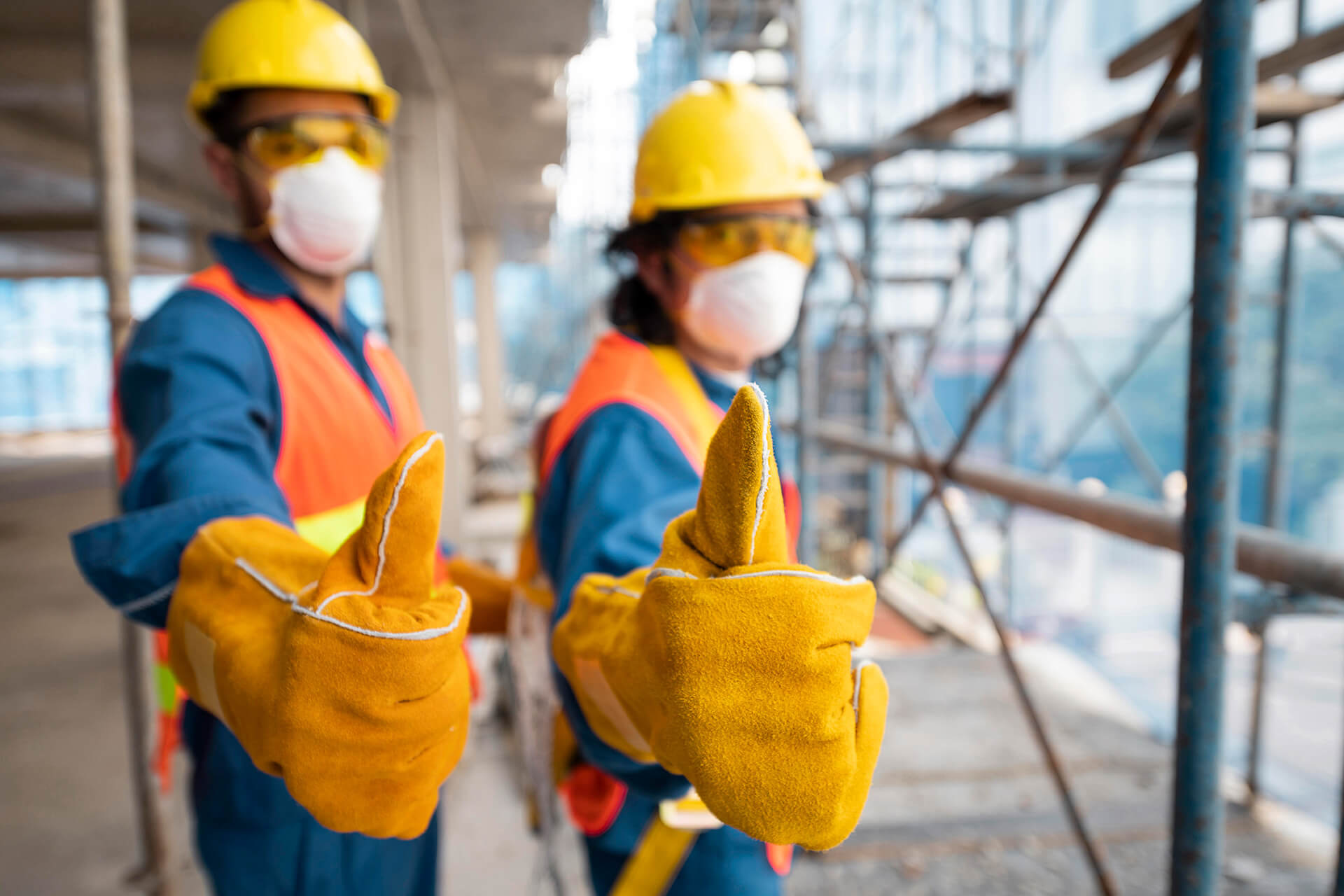
A successful Construction Safety Training plan is a fundamental part of maintaining a safe and compliant construction site. The construction industry is known for its inherent risks, from working at great heights to handling dangerous machinery and hazardous materials. The importance of effective safety training cannot be overstated, as it directly impacts workers’ safety, the quality of work, and the overall success of the project. A well-structured safety training plan not only minimizes risks and accidents but also helps workers understand their roles in maintaining a safe work environment.
In this article, we will explore the key components of a successful construction safety training plan, providing insight into the crucial elements that must be included to create an effective safety program.
1. Clear Safety Policies and Procedures
The foundation of any construction safety training plan starts with clear and well-communicated safety policies and procedures. These policies should outline the safety expectations for all workers on the site and cover the protocols they need to follow.
Key Elements:
- General Safety Rules: These should apply to all workers, such as using personal protective equipment (PPE), following site-specific safety protocols, and reporting hazards.
- Worksite Safety Procedures: These address specific hazards associated with the construction site, such as fall protection, excavation safety, or electrical hazard management.
- Emergency Procedures: This includes detailed steps workers must take in the event of an emergency, such as a fire, equipment malfunction, or injury.
A clear set of policies helps ensure that every worker knows their responsibilities and understands the consequences of unsafe actions. Safety procedures should be written and easily accessible for all employees to review.
2. Hazard Identification and Risk Assessment
An essential part of a successful construction safety training plan is teaching workers how to identify potential hazards and assess risks on the job site. Construction sites are dynamic environments where new risks can emerge as work progresses. Ensuring workers are equipped to spot potential dangers allows them to take preventive measures before accidents occur.
Key Elements:
- Risk Identification: Teach workers to recognize potential hazards such as unstable scaffolding, exposed electrical wires, or unsafe material handling practices.
- Risk Assessment: Workers should be trained on how to assess the level of danger posed by specific risks and determine the appropriate safety measures.
- Site-Specific Hazards: The training should address unique risks for each job site. For example, a demolition site might present different hazards than a new construction project.
By training workers to identify hazards and assess risks, they are better prepared to prevent accidents and respond appropriately when potential dangers are detected.
3. Personal Protective Equipment (PPE) Training
Personal protective equipment (PPE) is one of the most basic yet essential tools for maintaining safety on a construction site. A successful safety training plan must include comprehensive training on the proper use, maintenance, and importance of PPE.
Key Elements:
- Types of PPE: Workers need to be educated on the different types of PPE required for their tasks, such as hard hats, safety goggles, gloves, hearing protection, and fall protection gear.
- Proper Use of PPE: Workers should understand when and how to use PPE correctly. For example, they must be trained on how to wear a harness correctly when working at heights.
- Maintenance and Inspection: Training should cover how to inspect PPE for wear and tear, ensuring it remains in good condition to provide adequate protection.
Proper PPE training ensures that workers can protect themselves from common construction hazards, such as falling objects, exposure to chemicals, or machinery accidents.
4. Emergency Response Training
Construction sites are often fraught with dangerous situations, and the ability to respond quickly and effectively in an emergency can save lives. A successful construction safety training plan should include emergency response training for all workers.
Key Elements:
- First Aid and CPR Training: Workers should be trained in basic first aid and CPR to provide immediate assistance in the event of an injury.
- Evacuation Procedures: It’s important to train workers on emergency evacuation plans, including how to safely exit a building or site in case of a fire or other emergencies.
- Fire Safety: All workers should be familiar with the location of fire extinguishers and emergency exits, as well as how to handle a fire emergency.
- Rescue Procedures: For high-risk work, such as working in confined spaces or at great heights, workers should be trained in specific rescue procedures.
By preparing workers with emergency response skills, they can minimize injury and ensure a faster, more efficient response to dangerous situations.
5. Specialized Safety Training
Depending on the nature of the construction project, workers may need specialized safety training for specific tasks or equipment. Specialized training ensures that workers have the necessary knowledge and skills to perform their duties safely.
Key Elements:
- Heavy Equipment Training: Workers who operate heavy machinery, such as cranes, bulldozers, and excavators, need specialized training to ensure they can operate equipment safely and understand the associated risks.
- Scaffold Safety Training: Those working with scaffolding should receive specific training on assembling, maintaining, and disassembling scaffolds safely.
- Electrical Safety Training: Workers who are exposed to electrical hazards should be trained on how to handle electrical equipment safely and recognize electrical hazards.
Specialized training equips workers with the knowledge they need to handle job-specific risks, preventing accidents that could result from inexperience or lack of understanding.
6. Regular Safety Audits and Inspections
To ensure the ongoing effectiveness of a construction safety training plan, it is crucial to conduct regular safety audits and site inspections. These audits help identify areas where safety procedures may need to be improved or reinforced.
Key Elements:
- Safety Audits: Regular safety audits should be conducted to assess whether workers are adhering to safety protocols. These audits can identify areas of concern and suggest improvements.
- Site Inspections: Regular site inspections help identify potential hazards and ensure that equipment is in safe working condition.
- Corrective Actions: When issues are identified, corrective actions should be taken immediately to address the safety concerns and prevent accidents.
By conducting ongoing audits and inspections, employers ensure that safety practices remain a priority throughout the duration of a project.
7. Continuous Education and Refresher Courses
Safety standards and regulations in the construction industry evolve regularly, and it’s essential that workers stay up to date with these changes. Continuous education, including refresher courses and new safety training, is an essential component of a successful construction safety training plan.
Key Elements:
- Refresher Courses: Workers should participate in regular refresher courses to reinforce safety practices and stay updated on changes in regulations and safety standards.
- New Safety Practices: As new safety technologies, equipment, and methods emerge, workers should be trained on these advancements to ensure they are using the safest, most efficient methods available.
Ongoing education and training ensure that safety is never stagnant and workers are always prepared to adapt to new challenges.
Conclusion
A successful construction safety training plan is an essential element of any construction project, ensuring that workers are prepared to handle the various hazards they may face on the job. By focusing on key components like hazard identification, PPE usage, emergency response procedures, and specialized training, employers can create a comprehensive safety program that protects workers and reduces risks.
Furthermore, ongoing training, safety audits, and continuous education are vital to maintaining a culture of safety on the construction site. When workers are well-equipped with the knowledge and skills needed to stay safe, they are more confident, productive, and better equipped to contribute to the overall success of the project. Implementing a strong safety training plan not only saves lives but also contributes to the long-term success and efficiency of any construction business.