admin
admin 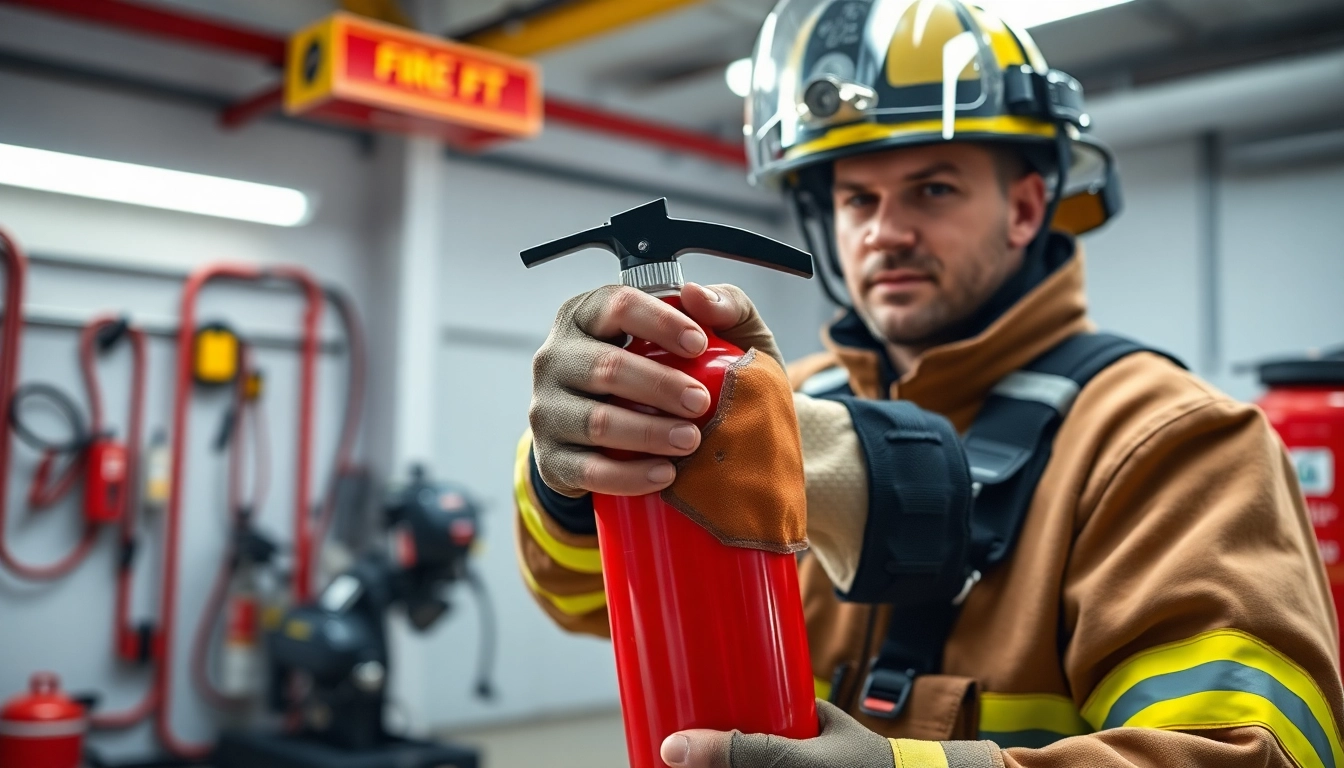
Understanding the PASS Technique
What Does PASS Stand For?
The acronym P.A.S.S. stands for Pull, Aim, Squeeze, and Sweep, which are the four essential steps for effectively using a fire extinguisher. Understanding these steps is crucial for anyone who may encounter a fire and needs to respond swiftly and effectively. From making sure the device is ready for use, to accurately directing the extinguishing agent, each component plays a key role in fire management.
The Importance of Fire Extinguisher Training
Training is an integral part of fire safety measures, particularly when it comes to using a pass fire extinguisher. Familiarity with the PASS method increases the likelihood of a successful extinguishing effort during an emergency. Regular training sessions can provide employees and residents with hands-on experience, reinforcing not only the operational methods but also instilling confidence. Consistent practice can make the difference between panic and a measured response during a fire emergency.
Common Misconceptions About PASS
There are several misconceptions related to the P.A.S.S. technique. A common fallacy is that any fire extinguisher can be used on all types of fires. Each type of extinguisher is designed for specific classes of fire, and understanding which is suitable for the scenario is critical. Another misconception is that one should simply aim at the flames. In reality, the nozzle should be directed at the base of the fire to be effective.
Step-by-Step Guide to Using a PASS Fire Extinguisher
Step 1: Pull the Pin
Begin by pulling the safety pin, which is often located at the top of the fire extinguisher. This action not only unlocks the mechanism but also breaks any tamper seal. Always remember that without this initial step, the device will not function properly.
Step 2: Aim the Nozzle
Next, aim the nozzle at the base of the fire. It is vital to point the extinguisher’s nozzle low, as targeting the flames might not adequately suppress the fire. Instead, focusing on the fuel source will help in extinguishing the fire more effectively.
Step 3: Squeeze the Handle
Firmly squeeze the handle of the fire extinguisher to release the extinguishing agent. Maintain your position and do not release the handle until you need to adjust your aim. It is crucial to ensure a steady flow of the extinguishing agent to maximize effectiveness.
Step 4: Sweep from Side to Side
Finally, sweep the nozzle from side to side at the base of the fire. This lateral movement ensures that the agent covers a wide area and can adequately extinguish the fire source. Continue sweeping until the fire appears to be out, and be vigilant about flare-ups.
Safety Considerations When Using a PASS Fire Extinguisher
Identifying the Right Type of Extinguisher
Different types of fire extinguishers are classified to combat various fire hazards. For example, Class A extinguishers are suitable for ordinary combustibles, Class B for flammable liquids, and Class C for electrical fires. Identifying the right extinguisher for the specific fire class can prevent ineffective attempts to extinguish a fire and enhance safety.
Assessing Fire Situations
Before using a fire extinguisher, assess the fire situation carefully. If the fire is too large or the smoke is overwhelming, evacuate immediately and call emergency services. Fire extinguishers should only be used for small fires that you are confident can be controlled without endangering yourself or others.
Pitfalls to Avoid During Use
One of the most common pitfalls during a fire emergency is not maintaining an exit route. When attempting to extinguish a fire, always position yourself with a clear path for escape. Additionally, avoid using a fire extinguisher on fires caused by cooking oil, such as grease fires, with water, as this can exacerbate the situation and result in a dangerous flare-up.
Best Practices for Fire Extinguisher Maintenance
Regular Inspection Protocols
Regular inspections of fire extinguishers are essential to ensure they are in working condition. This includes checking for signs of physical damage, ensuring the pressure gauge is in the green zone, and checking the expiration date. Inspections should ideally occur monthly by a trained individual, and detailed inspections should be carried out annually.
When to Replace Your Fire Extinguisher
Fire extinguishers generally have a lifespan of 5 to 15 years, depending on the model and maintenance. It is recommended to replace extinguishers that have been discharged, are past their expiration date, or show signs of damage including rust, corrosion, or leaks. Replacement options should be evaluated based on the specific fire risks present in the area.
Training Updates and Refreshers
Reinforce fire extinguisher training every 6 to 12 months, especially in workplaces or environments where safety is a primary concern. Scheduled refresher courses keep individuals up to date on the latest safety procedures and help maintain the confidence needed to act in an emergency.
Frequently Asked Questions About PASS Fire Extinguishers
How often should I check my fire extinguisher?
Inspect your fire extinguisher monthly. Look for physical damage, ensure the pressure gauge is in the green zone, and verify that the expiration date hasn’t passed.
Can anyone use a PASS fire extinguisher?
Yes, anyone trained in the PASS method can use a fire extinguisher. Training helps ensure everyone knows their role during a fire emergency and can act quickly and safely.
What type of fire extinguishers use the PASS method?
The PASS method can be utilized with most portable fire extinguishers, including those classified under Class A, B, and C fires. Knowing the right extinguisher type is key.
Is the PASS method effective against all fires?
No, the PASS method is not effective against all fires. It is essential to choose the appropriate extinguisher based on the fire class. Avoid using water on grease or electrical fires.
What training resources are available for fire extinguisher usage?
Many institutions offer fire safety training resources, including online courses, hands-on training workshops, and instructional videos. Companies often provide tailored training for their employees.