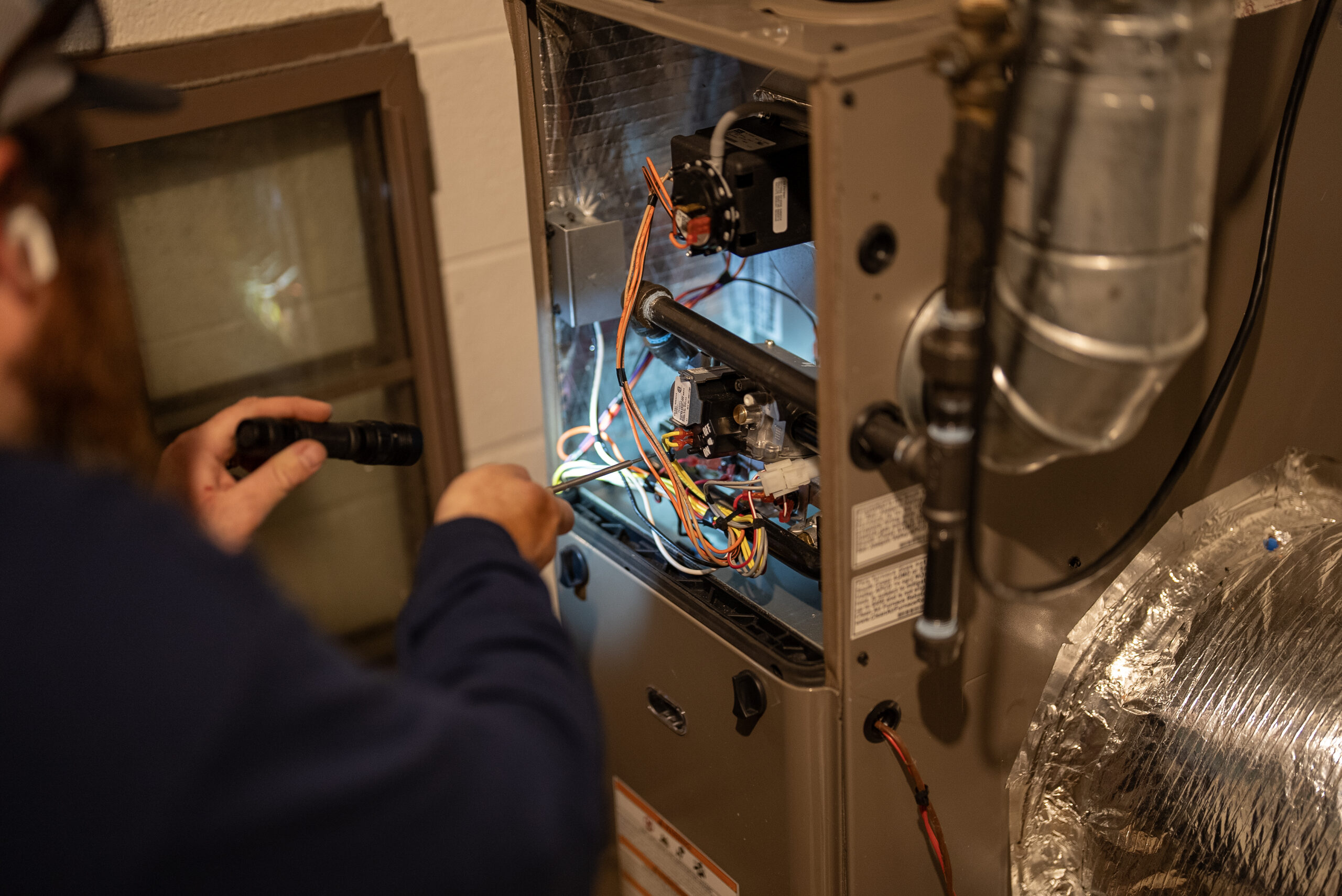
Understanding Energy-Efficient HVAC Systems
What are Energy-Efficient HVAC Systems?
Energy-efficient HVAC systems are designed to provide optimal heating and cooling while minimizing energy consumption. These systems utilize advanced technology such as variable-speed motors, smart thermostats, and high-efficiency components to reduce overall energy usage. By focusing on efficiency, they ensure that homes maintain comfortable temperatures without excessive energy costs. The integration of environmentally friendly refrigerants further enhances their efficiency and reduces their impact on the environment. Investing in energy-efficient HVAC systems can significantly benefit both homeowners and the planet.
Benefits of Energy-Efficient HVAC Systems
Choosing an energy-efficient HVAC system offers multiple benefits:
- Lower Energy Bills: These systems consume less energy, leading to decreased utility costs.
- Enhanced Comfort: Improved temperature regulation and air quality provide a more comfortable home environment.
- Environmental Impact: By reducing energy consumption, these systems lower greenhouse gas emissions, contributing to a healthier planet.
- Increased Home Value: Homes equipped with energy-efficient systems attract more buyers and can command higher prices.
- Government Incentives: Many local, state, or federal programs offer rebates for upgrading to high-efficiency systems.
Key Features to Look For
When selecting an energy-efficient HVAC system, consider the following features:
- SEER Rating: The Seasonal Energy Efficiency Ratio (SEER) indicates cooling efficiency; higher ratings mean better efficiency.
- AFUE Rating: The Annual Fuel Utilization Efficiency (AFUE) rating assesses heating efficiency.
- Variable Speed Fans: These adjust airflow based on demand, enhancing comfort and efficiency.
- Smart Thermostats: Enable precise temperature control and energy usage monitoring.
- Advanced Filtration Systems: Enhance indoor air quality and reduce allergens.
Choosing the Right Energy-Efficient HVAC System
Assessing Your Home's Needs
Before selecting an HVAC system, thoroughly assess your home's specific heating and cooling needs. Consider factors such as:
- Size of the Space: The size and layout of your home significantly influence system requirements. A unit that is too small will struggle to maintain comfort, while one that is too large will waste energy.
- Insulation Quality: Good insulation minimizes heat loss in winter and keeps the cool air inside during summer. Evaluate your current insulation to determine the efficiency required from your HVAC system.
- Local Climate: The average temperature and seasonal weather patterns in your area will dictate the most appropriate HVAC solutions.
Comparing Different HVAC Technologies
There are several types of energy-efficient HVAC technologies available:
- Central Air Conditioning: Ideal for cooling larger homes, central systems distribute air through ductwork.
- Heat Pumps: Efficient for both heating and cooling, heat pumps transfer heat rather than generate it, making them highly efficient in moderate climates.
- Ductless Mini-split Systems: Ideal for homes without existing ductwork, these systems can provide targeted heating and cooling.
- Geothermal Systems: Utilize ground temperatures as a heat exchange medium, offering significant energy savings but requiring a larger upfront investment.
Consultation with Professionals
Consulting HVAC professionals is crucial for selecting the right system. They can provide insights tailored to your specific circumstances, including energy audits to determine the most suitable system. Trained experts will help you evaluate technology options, calculate potential energy savings, and select the most efficient system for your home.
Installation of Energy-Efficient HVAC Systems
Hiring Qualified Installers
The installation of energy-efficient HVAC systems is complex and should only be performed by licensed professionals. When hiring installers, consider the following tips:
- Check Credentials: Ensure the installers are certified and experienced with energy-efficient systems.
- Read Reviews: Look for testimonials and reviews from previous customers to gauge the company's reliability.
- Ask for Estimates: Obtain detailed estimates from multiple contractors to compare pricing and services.
Steps to Installation
The installation process typically involves several key steps:
- Assessment: Professionals will evaluate your existing system and the layout of your home.
- System Selection: Based on the assessment, the appropriate energy-efficient HVAC system will be chosen.
- Ductwork Evaluation/Installation: If central air is being installed and ductwork needs improvements, this step is crucial.
- Equipment Installation: The HVAC units are installed according to manufacturer guidelines and local codes.
- Testing: A thorough testing process ensures that the system operates efficiently before finalizing the installation.
Common Installation Mistakes to Avoid
To ensure maximum efficiency and longevity of your system, it’s crucial to avoid common installation mistakes, such as:
- Improper Sizing: An incorrectly sized system can lead to inefficiency and excessive wear.
- Neglecting Duct Sealing: Leaky ducts can drastically reduce system efficiency, undermining energy savings.
- Ignoring Local Codes: Failing to comply with local installation regulations can result in legal issues and safety hazards.
Maintaining Energy-Efficient HVAC Systems
Regular Maintenance Practices
To maximize the performance of your energy-efficient HVAC systems, regular maintenance is key. Essential maintenance tasks include:
- Changing Filters: Regularly replacing or cleaning air filters improves system efficiency and indoor air quality.
- Cleaning Coils: Dirty evaporator and condenser coils reduce system efficiency and can cause overheating.
- Annual Check-ups: Professional maintenance at least once a year can catch potential problems before they escalate.
Seasonal Checklists
Create seasonal checklists to ensure your system is ready for the changing weather conditions:
- Spring: Check filters, clean ducts, and ensure outdoor units are free of debris.
- Summer: Monitor thermostat settings, check for hot or cold spots, and inspect coolant levels.
- Fall: Schedule a professional tune-up and inspect heating elements.
- Winter: Keep vents clear and ensure the system is ready for heating.
Signs Your System Needs Service
Being aware of signs that your HVAC system needs servicing can prevent larger issues:
- Increased Energy Bills: A significant rise in energy costs usually indicates inefficiency.
- Unusual Noises: Rattles, buzzing, or grinding noises suggest mechanical issues.
- Ineffective Temperature Control: Inconsistent temperatures can indicate a failing system.
Cost Savings and Environmental Impact
Long-Term Financial Benefits
Investing in energy-efficient HVAC systems can lead to substantial long-term savings. Although the upfront costs may be higher, the savings on utility bills over time can outweigh these initial investments significantly. On average, homeowners can expect a reduction of up to 30% in energy bills when using energy-efficient systems.
Government Incentives and Rebates
Many governments offer financial incentives for homeowners who upgrade to energy-efficient HVAC systems. These incentives can range from tax credits to rebates, significantly lowering initial costs and encouraging the transition to more sustainable options. Make sure to check local, state, or federal programs that can aid your investment in energy-efficient technologies.
Reducing Your Carbon Footprint
The adoption of energy-efficient HVAC systems also plays a crucial role in reducing your carbon footprint. By consuming less energy, these systems contribute to lower greenhouse gas emissions, positively impacting the environment. Adopting an energy-efficient lifestyle not only enhances your home's comfort but also fosters a more sustainable future.
FAQs about Energy-Efficient HVAC Systems
1. What is an energy-efficient HVAC system?
An energy-efficient HVAC system uses advanced technology to provide heating and cooling while minimizing energy consumption, leading to lower utility costs.
2. How can I improve the efficiency of my current HVAC system?
Regular maintenance, such as changing filters and cleaning coils, can significantly enhance your HVAC system's efficiency.
3. Are there tax incentives for installing energy-efficient systems?
Yes, many governments offer tax credits and rebates for homeowners who install energy-efficient HVAC systems, reducing initial costs.
4. What can cause my energy bills to increase?
Aging equipment, poor insulation, and duct leaks can cause an increase in energy bills, indicating the need for maintenance or system upgrades.
5. How often should I service my HVAC system?
It is recommended to have your HVAC system professionally serviced at least once a year to ensure optimal performance and efficiency.