admin
admin 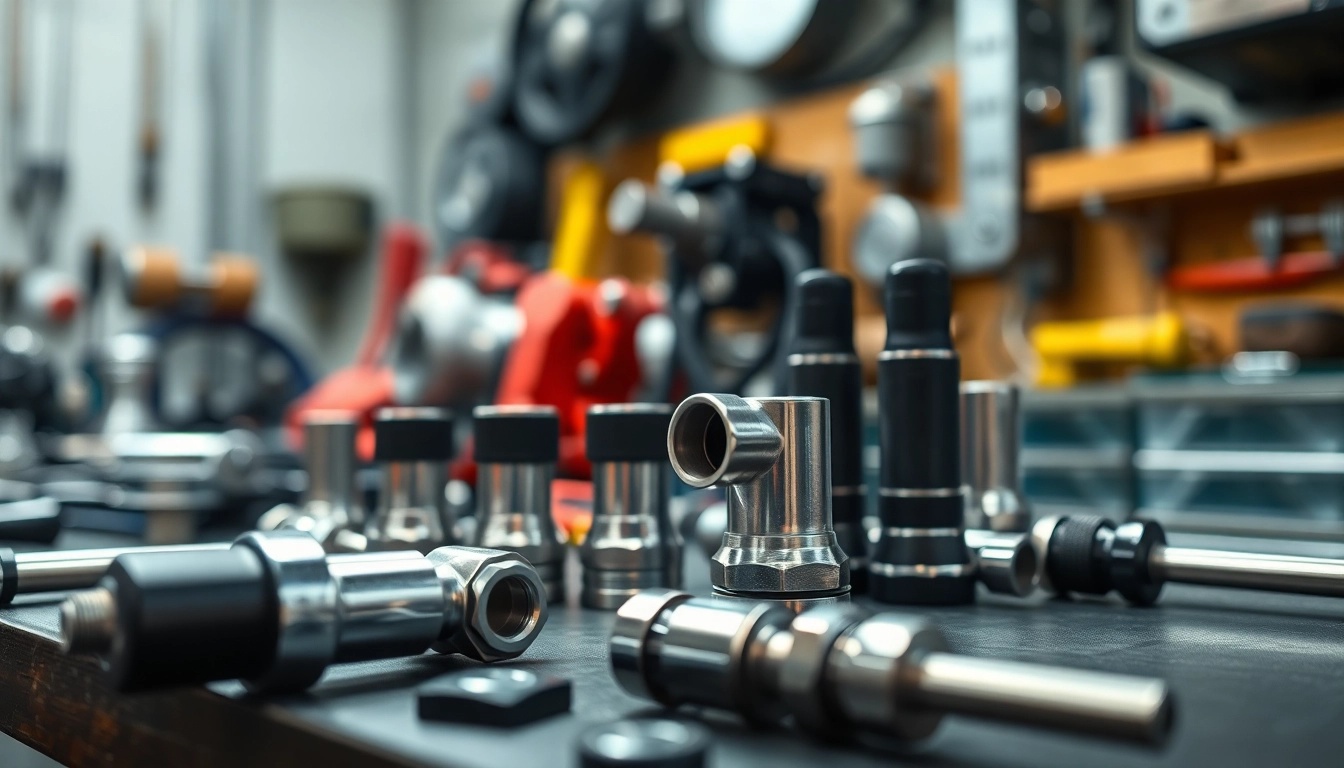
Introduction to EFI Fuel System Fittings
In the realm of automotive engineering, the significance of EFI fuel system fittings cannot be overstated. These components play a critical role in ensuring efficient fuel delivery and system integrity in vehicles equipped with electronic fuel injection (EFI) as opposed to older mechanical systems. In this comprehensive guide, we will cover everything you need to know about EFI fuel system fittings, including their types, significance, how to choose the right ones, installation processes, maintenance, and much more.
What are EFI Fuel System Fittings?
EFI fuel system fittings are specialized connectors used in vehicles with electronic fuel injection systems. Their primary function is to connect various components of the fuel delivery system, such as fuel lines, injectors, and fuel pumps. These fittings are designed to withstand high pressure, corrosion, and the various chemical elements present in fuel. Unlike traditional carburetor systems that operate at lower fuel pressures, EFI systems require fittings that can manage the higher pressures common in modern vehicles, making these components crucial for performance and safety.
Importance of EFI Fuel System Fittings
The importance of EFI fuel system fittings extends beyond mere connections. They are integral to the efficiency and reliability of the entire fuel delivery system. Proper fittings ensure optimal fuel flow, reducing the chances of leaks that could lead to engine malfunction or even catastrophic failure. A well-designed EFI fitting contributes to the overall performance of the engine by ensuring that the correct fuel mixture reaches the combustion chamber, thereby enhancing engine efficiency, responsiveness, and power output.
Common Types of EFI Fuel System Fittings
There are several types of EFI fuel system fittings, each designed for specific purposes. Commonly used fittings include:
- AN fittings: These are popular in high-performance applications, available in various sizes and shapes, providing a secure and leak-free connection.
- Barb fittings: Generally used in low-pressure applications, barb fittings allow for quick connections to rubber or flexible hoses.
- Screw-in fittings: These fittings provide a robust connection and are often used in conjunction with threaded pipes or adapters.
- Push-lock fittings: Designed for ease of installation, these fittings create a tight seal without the need for clamps or additional securing methods.
Choosing the Right EFI Fuel System Fittings
Selecting the appropriate EFI fuel system fittings is paramount for ensuring optimal vehicle performance. The process involves understanding the specific needs of your fuel system and matching them with the right fitting characteristics.
Factors to Consider When Selecting EFI Fuel System Fittings
When choosing EFI fuel system fittings, several key factors come into play:
- Pressure rating: Ensure that the fitting can withstand the pressure generated by your EFI system.
- Size: Proper sizing is crucial; fittings that are too large or small can cause leaks or fuel delivery issues.
- Material: The material of the fitting affects durability and performance, especially in high-temperature or corrosive environments.
- Working environment: Consider where the fitting will be used and whether exposure to elements like moisture, heat, or chemicals may impact its performance.
Material Differences in EFI Fuel System Fittings
EFI fuel system fittings are primarily made from a few key materials, each possessing distinct characteristics:
- Aluminum: Lightweight and resistant to corrosion, aluminum fittings are popular for performance applications due to their strength and durability.
- Stainless steel: Known for its robustness, stainless steel fittings provide excellent corrosion resistance, making them ideal for high-pressure applications where longevity is a concern.
- Plastic: While less durable than metal options, plastic fittings can be suitable for certain low-pressure applications and environments where weight reduction is critical.
Compatibility with Different Fuel Systems
Ensuring compatibility between EFI fuel system fittings and your vehicle’s fuel system is vital. Factors such as the type of fuel being used, fuel system pressure, and the specific engine configuration play a crucial role. Always consult the vehicle manufacturer’s specifications or a qualified technician to confirm that your chosen fittings will work seamlessly with your system.
Installation of EFI Fuel System Fittings
Installing EFI fuel system fittings correctly is crucial for the integrity and safety of the fuel system. This section will guide you through the essential tools and steps required for proper installation.
Essential Tools for Installation
Before beginning the installation, gather the following tools:
- Socket and wrench set: For loosening and tightening fittings securely.
- Torque wrench: To ensure fittings are tightened to manufacturer specifications, avoiding leaks or damage.
- Hose cutter or razor blade: For cutting hoses evenly, ensuring a proper fit on the fittings.
- Thread sealant (if required): To prevent leaks in threaded connections, ensuring a secure seal.
Step-by-Step Guide to Installing EFI Fuel System Fittings
- Prepare the area: Ensure the vehicle is off, disconnected from any power sources, and that the fuel system is depressurized.
- Remove old fittings: Use the appropriate tools to detach any existing fittings without damaging surrounding components.
- Inspect connections: Check the hoses and connectors for wear; replace anything that looks damaged or worn.
- Attach new fittings: Securely attach the new EFI fuel system fittings according to the specifics of the system and instructions.
- Tighten fittings: Use a torque wrench to tighten to the recommended specifications, ensuring a leak-free connection.
- Inspect and test: Once installed, turn on the fuel pump and inspect for any leaks before starting the engine.
Common Mistakes to Avoid
When installing EFI fuel system fittings, avoid these common pitfalls:
- Over-tightening: This can lead to damage and leaks. Always refer to torque specifications.
- Wrong size fittings: Ensure all fittings are compatible with hoses, lines, and connectors.
- Neglecting cleanup: Dirt and debris can compromise seals; always clean surfaces before installation.
- Forgetting to check for leaks: Always conduct a thorough inspection post-installation to catch any potential issues.
Maintenance of EFI Fuel System Fittings
Regular maintenance of EFI fuel system fittings is essential for preventing issues that can lead to costly repairs or unsafe conditions. Proper care can extend the life of your components and improve overall vehicle performance.
Importance of Regular Maintenance
Maintaining EFI fuel system fittings is crucial for numerous reasons:
- Prevents leaks: Regular checks ensure that any loose or worn fittings are addressed before they lead to fuel leaks.
- Extends lifespan: Well-maintained fittings last longer, helping you avoid the need for costly replacements.
- Enhances performance: Proper functioning fittings contribute to optimum fuel efficiency and engine performance.
Signs of Wear and Tear in EFI Fuel System Fittings
Be vigilant for the following signs that may indicate problems with your EFI fuel system fittings:
- Visible leaks: Any fuel pooling around fittings should be addressed immediately.
- Fuel odor: The distinct smell of gasoline can indicate leaks or loose fittings.
- Reduced performance: If the engine is misfiring or exhibiting poor performance, fittings may need inspection.
Best Practices for Cleaning and Maintenance
To ensure your EFI fuel system fittings are in top condition, adhere to these best practices:
- Regular inspections: Schedule routine visual checks to identify leaks or loose fittings.
- Use safe cleaners: When cleaning fittings, use solutions designed for automotive components to avoid damage.
- Retain original seals: If possible, keep original seals and O-rings and replace them when necessary.
FAQs About EFI Fuel System Fittings
What materials are EFI fuel system fittings made of?
Common materials include aluminum, stainless steel, and plastic, each offering unique benefits like corrosion resistance and durability.
How do I know if my EFI fuel system fittings are compatible?
Check the specifications of your fuel system and fittings for size, threading, and pressure ratings to ensure compatibility.
Can I install EFI fuel system fittings myself?
Yes, with the right tools and knowledge, DIY installation is possible, but professional installation is recommended for optimal performance.
What maintenance do EFI fuel system fittings require?
Regular inspections for leaks, tightening connections, and cleaning are vital to ensure safety and efficiency in the fuel system.
Where can I buy quality EFI fuel system fittings?
Quality fittings are available at automotive supply stores, specialized retailers, and online marketplaces that focus on automotive parts.