admin
admin 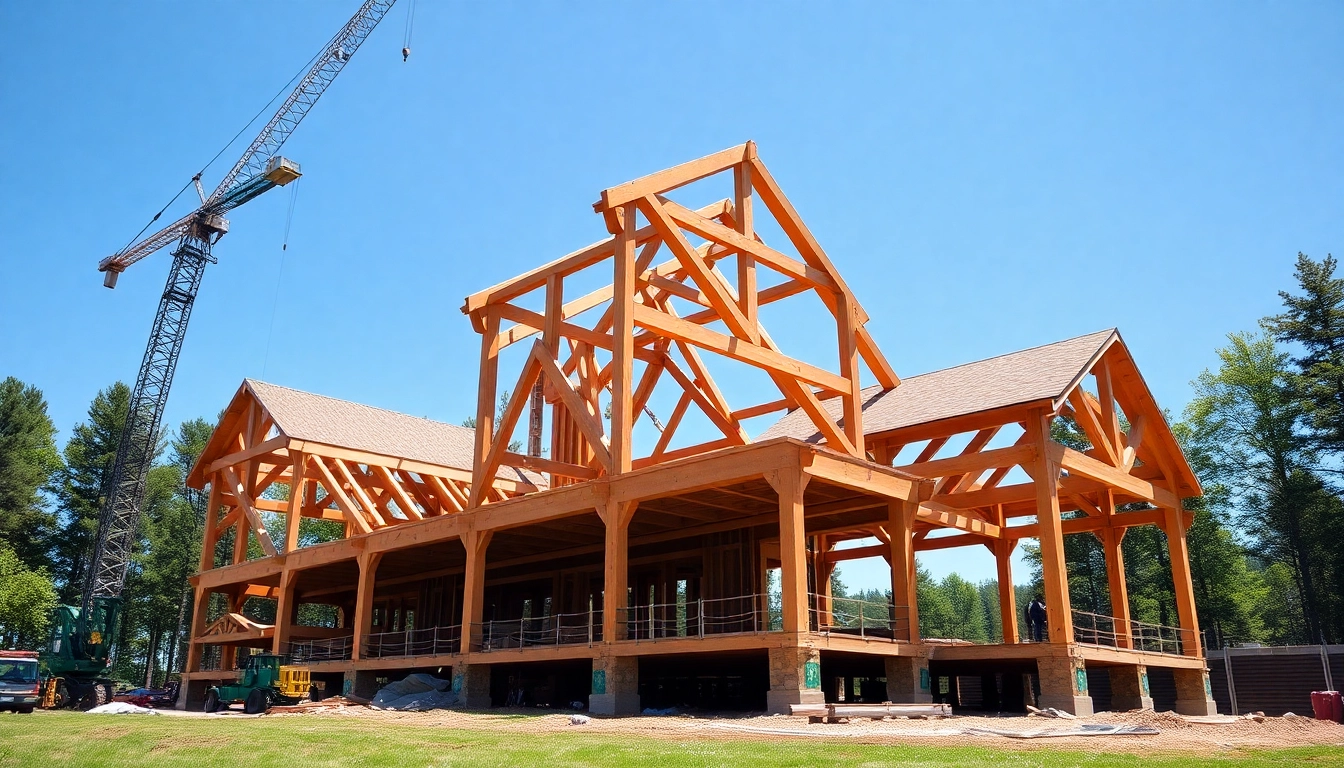
Introduction to Structural Timber Frame
Structural Timber Frame has emerged as a significant element in the field of construction, blending traditional craftsmanship with modern engineering. As sustainability becomes increasingly paramount in construction practices, this method exemplifies a commitment to environmental stewardship. Whether building residential homes or commercial structures, the benefits of utilizing Structural Timber Frame are notable, including its design versatility, cost efficiency, and eco-friendliness. This article dives deep into the world of Structural Timber Frame, exploring its historical roots, advantages, design considerations, challenges, and future trends.
What is Structural Timber Frame?
Structural Timber Frame refers to a framing system where the framework is predominantly composed of timber. This construction method identifies timber as both structural support and aesthetic finish, combining functionality with beauty. Timber frames typically consist of wooden posts, beams, and studs, structured to support roofs, floors, and walls. The inherent strength and lightweight characteristics of timber allow it to compete effectively with traditional building materials like steel and concrete.
Historical Development of Timber Framing
The origins of timber framing can be traced to ancient civilizations, where it served as the primary construction method. Historical examples can be found across Europe, Asia, and North America, where early builders utilized local timber to construct durable homes and commercial buildings. The craftsmanship techniques, such as mortise and tenon joints, have been refined over centuries, allowing for increased stability and longevity of timber structures. Despite the advent of industrial materials, timber framing has experienced a resurgence in popularity, particularly with the rise of sustainable building practices.
Importance of Structural Timber Frame in Modern Construction
Today, the relevance of Structural Timber Frame in construction is underscored by its multifaceted benefits. Its adaptable nature supports a range of architectural styles, enabling builders to create homes that meet specific aesthetic and functional requirements. Furthermore, the shift towards reducing carbon footprints has made timber a preferred choice, as it boasts lower lifecycle emissions compared to steel and concrete alternatives. Additionally, timber structures tend to be more lightweight, resulting in reduced foundation costs and faster construction timelines, a boon to project efficiency.
Benefits of Using Structural Timber Frame
Sustainability and Environmental Impact
The construction industry is under increasing pressure to adopt sustainable practices due to its significant contribution to global carbon emissions. Structural Timber Frame construction provides an eco-friendly alternative, as timber is a renewable resource. Sustainable forestry practices ensure that timber is sourced responsibly, allowing trees to be harvested at a rate that doesn’t exceed their natural regeneration. Furthermore, timber acts as a carbon sink, sequestering carbon dioxide from the atmosphere, which contributes positively to the environment throughout the building’s lifecycle.
Cost-Effectiveness of Timber Construction
Cost management is crucial in any construction project, and using a Structural Timber Frame can offer substantial savings. Timber tends to have lower material costs compared to steel or concrete, and when combined with shorter construction times, the overall expenses can be significantly reduced. Furthermore, timber framing often requires less labor to assemble due to the prefabrication techniques available. This efficiency translates to lower overhead costs and reduced labor expenses, making timber an economic option for builders and developers.
Energy Efficiency with Structural Timber Frame
Energy efficiency is a top priority in modern building design, and Structural Timber Frame excels in this area. Timber’s natural insulating properties can contribute to reduced heating and cooling costs, directly impacting energy consumption. When properly installed with insulation materials, timber structures provide optimal thermal performance, minimizing heat loss in winter and maintaining cool interiors in summer. Additionally, modern timber frames can easily accommodate innovative energy-efficient systems, including solar panels and energy recovery systems, enhancing the overall sustainability of the structure.
Design Considerations for Structural Timber Frame
Choosing the Right Timber Materials
Selecting the appropriate timber is critical to the success of a Structural Timber Frame project. Various species of wood exhibit different mechanical properties, aesthetics, and resistance to environmental factors. Common choices include softwoods like pine, spruce, and fir, which are widely available and cost-effective. Hardwoods like oak or maple may be chosen for their strength and visual appeal. Ultimately, the choice of timber will depend on factors such as structural needs, environmental conditions, and aesthetic preferences.
Architectural Styles and Flexibility
One of the most appealing aspects of Structural Timber Frame construction is its design flexibility. Timber can be shaped and styled in numerous ways, allowing architects and builders to create diverse architectural designs. From contemporary sleek lines to rustic charm, timber frames can accommodate various styles while providing structural integrity. This adaptability also means timber frames can be used in both residential and commercial projects, demonstrating their versatility across different markets.
Integrating Technology in Timber Frame Design
Advancements in technology have significantly enhanced the design and construction phases of timber framing. Building Information Modeling (BIM) enables architects and engineers to collaborate seamlessly, optimize designs, and simulate various scenarios, leading to improved project outcomes. Additionally, robotics and prefabrication techniques have revolutionized how timber components are manufactured, resulting in precise cuts, reduced waste, and efficient assembly on-site. Embracing these technologies streamlines the construction process, minimizing potential errors and delays.
Common Challenges in Constructing Structural Timber Frame
Addressing Moisture and Humidity Issues
Despite its many benefits, constructing with timber comes with challenges, particularly regarding moisture management. Wood is vulnerable to rot, mold, and insect infestation when exposed to excessive moisture. Effective design strategies—including the use of vapor barriers, proper sloping roofs, and drainage management—are essential to mitigate these risks. Additionally, the timber must undergo proper treatment and drying to reduce moisture content before installation, ensuring a long-lasting and stable structure.
Dealing with Building Codes and Regulations
Timber construction must adhere to local building codes and regulations, which can differ greatly across regions. These codes often dictate material specifications, structural integrity requirements, and fire safety measures. Builders must work closely with engineers and local authorities to ensure compliance with all necessary regulations. Understanding and addressing these requirements upfront can minimize the risk of costly modifications and project delays.
Managing Construction Timelines and Delays
Timely project delivery is crucial, yet unexpected delays can arise in any construction venture. Factors such as weather conditions, material sourcing issues, or labor shortages can impact timelines. To mitigate delays, proper planning and scheduling are paramount. Implementing a detailed project timeline, utilizing prefabricated components, and maintaining open communication with all stakeholders can help ensure a smoother construction process and adherence to planned deadlines.
Future Trends in Structural Timber Frame Construction
Innovations in Timber Treatments and Durability
The future of Structural Timber Frame construction is poised for exciting developments, particularly in timber treatment innovations. Advances in wood preservation technology, including heat treatment and chemical treatments, enhance the durability and lifespan of timber while preserving its natural properties. These treatments increase resistance to moisture, pests, and decay, ultimately broadening the potential applications of timber in the construction industry.
Market Growth and Demand for Structural Timber Frame
The demand for Structural Timber Frame construction is expected to grow in the coming years, fueled by the global push for sustainable building practices and innovative design solutions. As more architects and builders recognize the advantages of timber, including its environmental impact and cost-effectiveness, the adoption of this construction method will likely become more prevalent across various markets. This trend presents opportunities for manufacturers, suppliers, and builders alike, creating a robust ecosystem around timber frame construction.
Advancements in Eco-Friendly Timber Sourcing
As sustainability continues to drive demand, advancements in eco-friendly timber sourcing are emerging. Certifications, such as the Forest Stewardship Council (FSC), ensure that timber is harvested sustainably, promoting responsible forestry practices. Innovations in timber sourcing will further enhance the industry’s commitment to sustainability, allowing builders to access premium materials while supporting environmental conservation. As technologies for tracking timber origins develop, consumers will gain greater assurance about the environmental impact of their building materials.
Frequently Asked Questions
What are the benefits of using Structural Timber Frame in construction?
Structural Timber Frame offers sustainability, cost-effectiveness, energy efficiency, and design flexibility, making it a popular choice for modern construction projects.
How does timber framing perform in terms of energy efficiency?
Timber provides natural insulation properties and when combined with proper insulation techniques, it significantly reduces heating and cooling costs, enhancing energy efficiency.
What challenges are associated with building using timber frames?
Challenges include moisture management, complying with building codes, and potential construction delays, all of which require effective planning and design strategies.
Why is sustainability important in construction?
Sustainability reduces the environmental impact of construction, conserves resources, and minimizes carbon footprints, contributing to a healthier planet for future generations.
What is the future outlook for Structural Timber Frame construction?
The future looks promising, with advancements in timber treatments, increased market demand, and a focus on eco-friendly sourcing, positioning timber as a leading construction material.