admin
admin 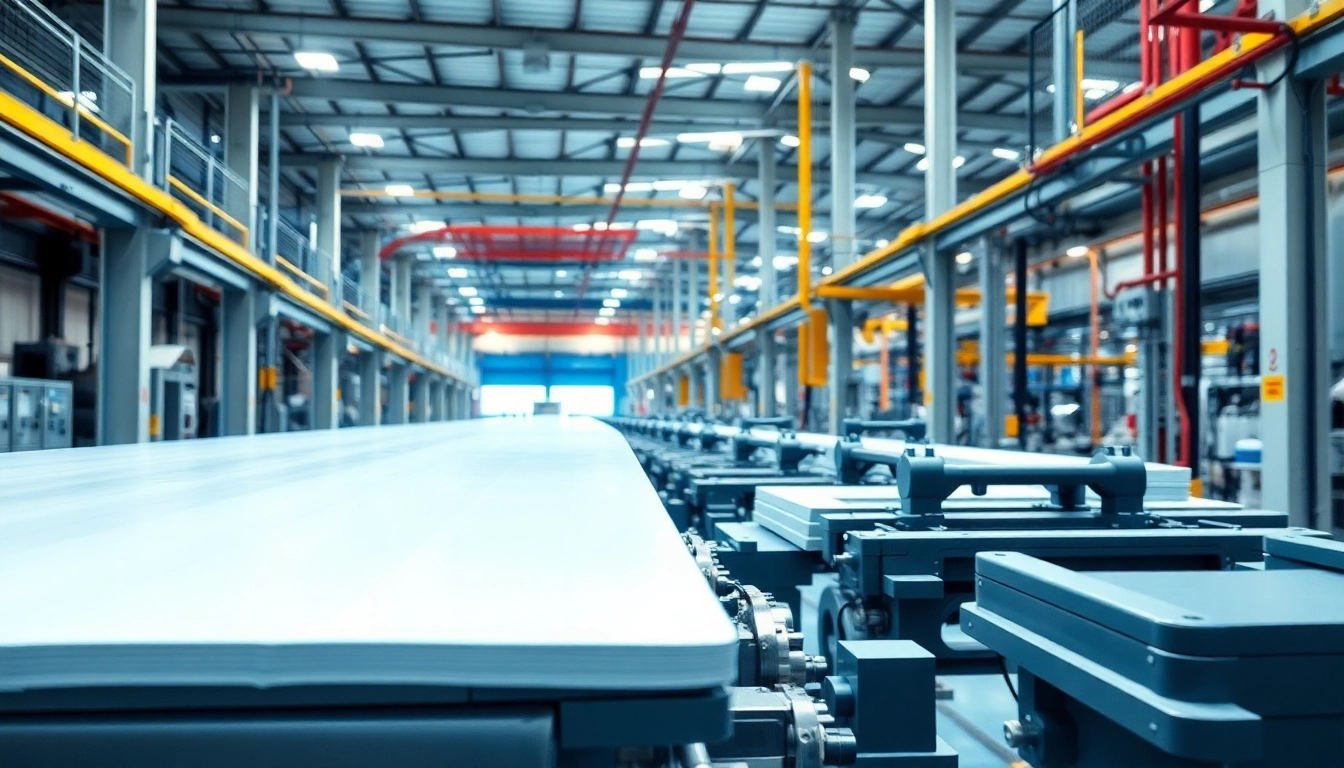
Understanding GRP Manufacturing
What is GRP?
Glass Reinforced Plastic (GRP), also known as fiberglass, is a composite material composed of a polymer matrix reinforced with glass fibers. This combination gives GRP its distinctive properties, making it both lightweight and robust. Due to its high strength-to-weight ratio, GRP is widely used in various industries, from automotive to aerospace, marine to construction, and even in consumer goods. The versatility of GRP stems from its ability to be molded into complex shapes, allowing for innovative designs that would be challenging to achieve with traditional materials.
The Role of GRP Manufacturers
GRP manufacturers specialize in the production and fabrication of these composite materials, offering a range of services from designing to manufacturing components. Their expertise ensures that the GRP products meet specific performance and regulatory standards required by various applications. A GRP Manufacturer will often collaborate closely with clients to tailor solutions that address unique industry challenges, leveraging modern manufacturing techniques to enhance quality while reducing lead times.
Applications of GRP Products
GRP products are utilized across an extensive range of industries due to their excellent mechanical properties and resistance to various environmental factors. Key applications include:
- Aerospace: Structural components, fairings, and interior paneling.
- Automotive: Body panels, underbody components, and interior furnishings.
- Marine: Hulls, decks, and fuel tanks.
- Construction: Roofing, cladding, and architectural elements.
The adaptability of GRP means it can be molded to suit specific functional requirements, making it an ideal choice for engineers and designers in a myriad of sectors.
Benefits of Working with a GRP Manufacturer
Cost-Effectiveness in Production
Partnering with a GRP manufacturer can lead to significant cost savings in production. GRP is easier to work with compared to traditional materials such as metals or wood, which may require extensive machining and finishing processes. Furthermore, the lightweight nature of GRP can reduce transportation costs and aid energy efficiency in various applications, particularly in the automotive and aerospace industries, where reducing weight is crucial for performance.
Durability and Strength of GRP
One of the defining attributes of GRP is its durability. It is resistant to corrosion, UV radiation, and extreme temperatures, making it suitable for both indoor and outdoor applications. This toughness translates to a longer lifespan for components manufactured from GRP, often resulting in lower maintenance and replacement costs over time. Industries that require materials to withstand harsh conditions, such as chemical plants or coastal applications, particularly benefit from GRP’s resilience.
Customization Options Available
GRP manufacturers offer extensive customization options, allowing for the production of components that meet specific design and functional requirements. This includes variations in color, texture, and finish, as well as the ability to integrate other materials for hybrid solutions. This customization capability enables businesses to differentiate their products in the marketplace and address niche requirements that may not be achievable with standard materials.
Criteria for Selecting a GRP Manufacturer
Assessing Quality Control Standards
Quality control is paramount in GRP manufacturing. Potential partners should be evaluated on their adherence to industry standards and certifications, which can serve as indicators of their quality management practices. A rigorous quality control process facilitates consistent product performance, minimizing the risk of defects or failures in the final output.
Evaluating Technical Capabilities
The technical capabilities of a GRP manufacturer can significantly impact the success of your project. This includes their experience with specific applications and their ability to employ advanced manufacturing technologies such as automated cutting and laminating processes. Look for manufacturers that utilize computer-aided design (CAD) and have a proven track record of delivering high-quality finished products.
Understanding Supply Chain Reliability
Supply chain reliability is another critical factor in selecting a GRP manufacturer. Delays in material supply or manufacturing can lead to significant disruptions in your production timeline. Therefore, assessing a manufacturer’s supply chain logistics—such as their sourcing practices and inventory management—can provide insights into their ability to deliver products on time and meet project deadlines.
Common Challenges in GRP Manufacturing
Material Limitations and Solutions
Despite its advantages, GRP does come with its set of challenges. For instance, while GRP is lightweight, certain applications may require materials with even greater strength or thermal resistance. Collaborating closely with a manufacturer that understands these limitations can lead to tailored solutions, such as enhancing the glass fiber content or integrating alternative reinforcement methods.
Environmental Considerations
The environmental footprint of manufacturing processes is increasingly scrutinized. GRP production can involve the use of volatile organic compounds (VOCs) and non-renewable resources. As a result, many manufacturers are exploring eco-friendlier resins and manufacturing processes to minimize waste and emissions, aligning with global sustainability goals.
Technological Hurdles
As with any manufacturing sector, technological advancements bring both opportunities and challenges. Manufacturers must continuously invest in training and upgrading equipment to remain competitive. Staying abreast of industry trends and technological innovations—such as 3D printing of composite materials—can enhance efficiency and product quality in GRP manufacturing.
Future Trends in GRP Manufacturing
Innovations in Materials
The future of GRP manufacturing is likely to witness the introduction of new composite materials that enhance performance characteristics. Innovations may include the use of bio-based resins that reduce environmental impact while maintaining the favorable properties of traditional GRP. Additionally, advancements in glass fiber technology can lead to lighter yet stronger materials, opening new possibilities in aerospace and automotive applications.
Automation in Manufacturing Processes
Automation is set to play a crucial role in the evolution of GRP manufacturing. The integration of robotics and automated systems can streamline production processes, improve consistency, and reduce labor costs. Technologies such as artificial intelligence may also be employed to optimize workflows and enhance quality assurance practices.
Sustainability Practices in GRP
As businesses increasingly prioritize sustainability, GRP manufacturers are responding by incorporating greener practices in their operations. This includes recycling initiatives for scrap materials and implementing closed-loop systems to reduce waste. The future may see greater emphasis on lifecycle analysis, where the environmental impact of GRP materials is evaluated from production to disposal, promoting circular economy principles.
Frequently Asked Questions
What is GRP made of?
GRP is made from a combination of glass fibers and resin, forming a composite material that offers high strength and lightweight characteristics.
How is GRP manufactured?
GRP is manufactured through processes like hand lay-up, spray-up, or woven roving, depending on the application and required properties.
What are the advantages of using GRP?
GRP offers numerous advantages, including corrosion resistance, lightweight design, customization options, and cost-effectiveness in production.
Can GRP be recycled?
Yes, GRP can be recycled, although the process is more complex compared to metals. Advances in recycling technologies are aiding this effort.
What industries utilize GRP products?
GRP is extensively used in aerospace, automotive, marine, construction, and various consumer goods sectors due to its versatility and durability.