admin
admin 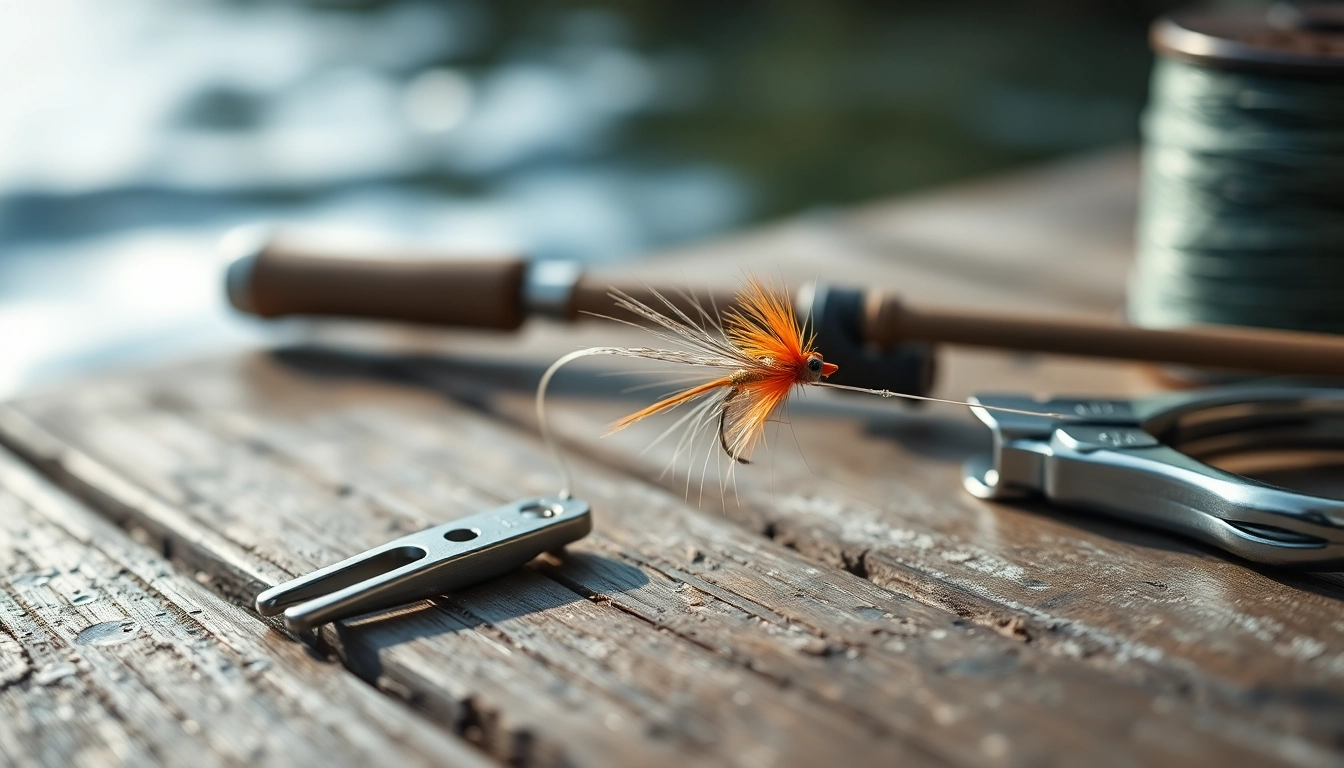
Understanding the Importance of Fly Fishing Tippet
For many fly fishing enthusiasts, the tippet is a crucial but often overlooked component of their gear. The fly fishing tippet serves as the delicate link between your leader and the fly. A well-chosen tippet ensures that your artificial fly drifts naturally, increasing the likelihood of a catch. Understanding the role and proper application of tippet is essential for every angler seeking to enhance their fishing experience.
What is a Fly Fishing Tippet?
A fly fishing tippet is a thin, durable section of line that connects the leader to the fly. Typically made from either monofilament or fluorocarbon materials, tippets come in various strengths and diameters, which are often referred to by “X” sizes (e.g., 7X, 5X). The tippet is designed to be less visible to fish, which is crucial in clear waters where visibility can lead to spooking fish. While leaders form the broader part of the line that handles the majority of the force when fighting a fish, the tippet plays a vital role in the finesse of your casting and presentation.
How Fly Fishing Tippet Works
The tippet functions by providing a slight flexibility that allows for natural movement of the fly. When you present your fly on the water, the tippet allows it to float more freely, simulating a natural bug or bait. A tippet that is too heavy or too light can drastically affect how your fly behaves on the water’s surface. Consequently, matching the tippet to the fly size and the fishing conditions is crucial for success.
Different Types of Fly Fishing Tippets
- Monofilament Tippet: This is the most common type of tippet material. It’s cost-effective, floats well, and is highly visible in the water, which can be advantageous in certain situations.
- Fluorocarbon Tippet: Though generally more expensive, fluorocarbon tippets are nearly invisible underwater, making them excellent for wary fish. They sink faster than monofilament, contributing to a more natural presentation of nymphs and other subsurface flies.
- Micro-Fine Tippet: Used less frequently, micro-fine tippets cater to anglers who target smaller species or need to present extremely delicate flies.
Selecting the Right Fly Fishing Tippet Size
Selecting the correct size of tippet is paramount for successful fly fishing. The tippet size can impact the visibility of the line to fish, the way the fly is presented, and even the ability to land a fish once it is hooked.
Factors Influencing Tippet Size Selection
Several factors influence the selection of tippet size, including:
- Fly Size: Larger flies can handle heavier tippets, while smaller flies work best with lighter tippets.
- Water Clarity: In clearer waters, lighter tippets become crucial for avoiding spooking fish.
- Species Targeted: Different fish species have varied strength reputations and fight differently; the tippet must accommodate this.
- Conditions: Windy days may require stronger tippet materials to handle drag, while calm waters allow for lighter choices.
Common Tippet Size Recommendations
Typical tippet size preferences are generally categorized as follows:
- Delicate Flies: 6X to 7X tippets are used for smaller flies like midges and mayflies.
- Standard Dry Flies: 5X is optimal for a variety of dry flies, providing a balance of strength and invisibility.
- Streamers: For larger flies like streamers, 3X to 4X tippets are often favored for their strength.
How Tippet Size Affects Your Fishing
The tippet size directly influences your casting efficiency and the behavior of the fly. Using a tippet that is too heavy may cause the fly to sink unnaturally or present poorly on the water, while a tippet that is too light can break easily during a struggle with larger fish. Understanding these implications lays the foundation for successful angling.
Techniques for Tying Tippets to Leaders
An essential skill for fly fishing is the ability to tie a tippet to your leader effectively. The strength and reliability of this connection can significantly influence your fishing experience.
Basic Knot Techniques
Several knots are popular among anglers for tying tippets to leaders, each with its distinct advantages:
- Surgens Knot: A versatile knot that forms a strong bridge between tippet and leader, making it a top choice for many.
- Double Surgeons Knot: Similar to the standard surge knot, but adds security with an extra wrap, ideal for heavier tippets.
- Loop Knot: Provides flexibility and movement in the fly, particularly useful for streamers.
Common Knot Mistakes to Avoid
Common mistakes in knot tying can lead to frustration and lost fish. Here are some pitfalls to avoid:
- Overly Tight Knots: Avoid pulling knots too tight as this may weaken the line.
- Improper Trimming: Failing to trim tag ends can cause tangles and reduce casting efficiency.
- Skipping the Test: Always test the knot before hitting the water to ensure reliability.
Using Tippet Rings Effectively
Tippet rings are small, circular connectors that can make the tippet-to-leader connection easier and more reliable. By tying the tippet to the ring, you can quickly swap out different tippet sizes without having to retie the leader, preserving its integrity over numerous casts and connections.
Best Practices for Managing Your Fly Fishing Tippet
Managing your tippet correctly not only extends its life but also enhances your fishing success.
Storage Tips for Tippet Materials
After fishing trips, properly store your tippet in a cool, dry place and avoid long exposure to sunlight, which can degrade its strength. Many anglers prefer using tippet holders to keep materials organized and tangle-free.
Identifying Wear and Tear
Regularly inspect your tippet lines for signs of wear, such as discoloration or visible frays. Even minor damage can greatly affect performance when fighting a fish.
When to Replace Your Tippet
A good rule of thumb is to replace your tippet after every few trips or sooner if you notice any wear. Fresh tippet can make a substantial difference in your success rates on the water.
Frequently Asked Questions about Fly Fishing Tippet
Do I need a leader and tippet for fly fishing?
Yes, a leader is necessary as the thicker line that provides strength, while the tippet is a lighter line attached to the leader for delicate fly presentation.
What is the best tippet size for different flies?
Smaller flies typically work well with lighter tippets like 6X or 7X, while larger flies can utilize heavier tippets around 3X or 4X for better strength and control.
How do I know when to change my tippet?
Change your tippet when you see visible wear, fraying, or after several trips. A fresh tippet enhances your fly presentation and reduces the risk of breakage during fights.
Can I use a tippet with my spinning gear?
Yes, tippets can be used with spinning gear to attach lighter lures or when fishing in sensitive situations where a lighter presentation is needed.
What’s the difference between fluorocarbon and mono tippet?
Fluorocarbon is nearly invisible underwater and sinks faster, making it ideal for subsurface applications. Monofilament is more visible, floats better, and is often more cost-effective.