admin
admin 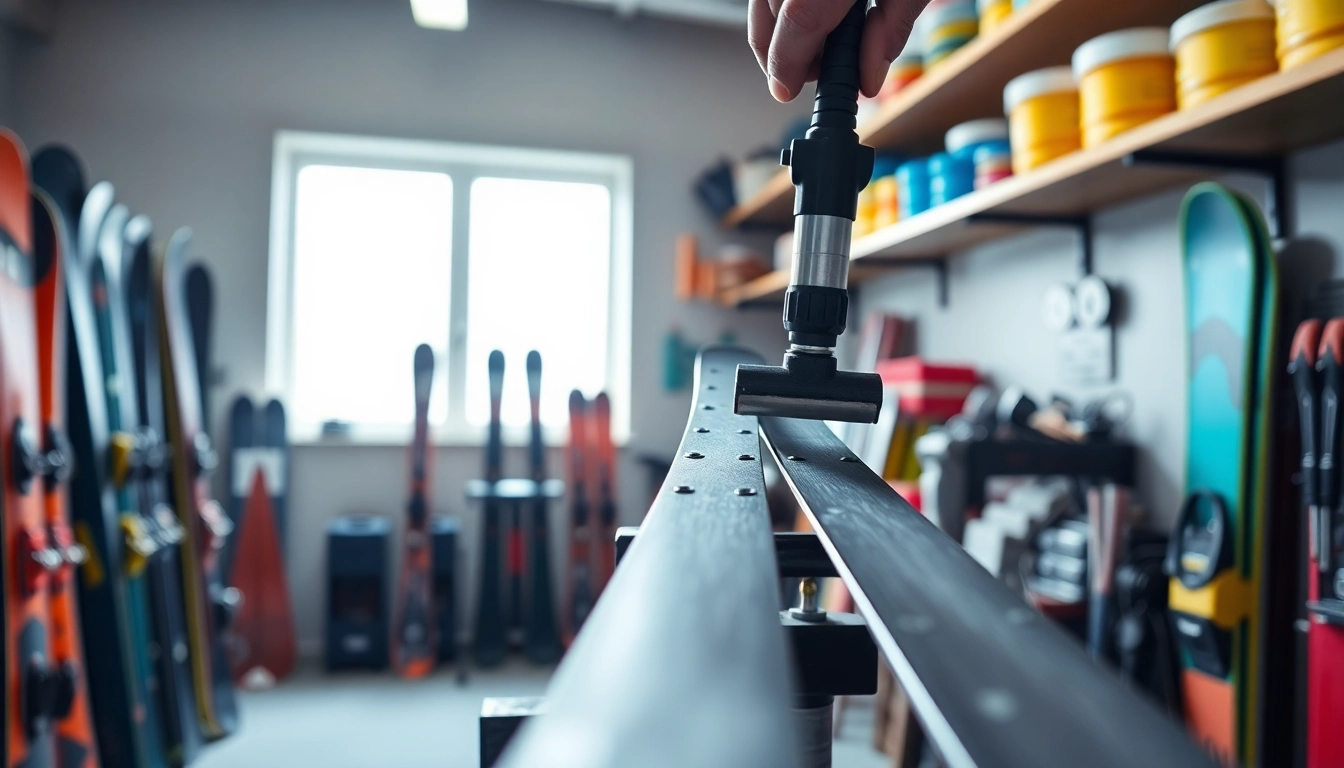
Understanding Ski Tuning and Waxing
What is Ski Tuning and Waxing?
Ski tuning and waxing are essential maintenance processes that enhance the performance and longevity of your skis. Ski tuning refers to a series of adjustments that improve the ski’s ability to glide on snow, including edge sharpening, base repairs, and adjusting bindings. Waxing, on the other hand, involves applying a protective and friction-reducing layer to the ski base, which helps achieve optimal speeds and better handling. Together, these practices ensure that your skis provide the best experience on the slopes.
When to Tune and Wax Your Skis
A general rule of thumb is to tune your skis at least once per season, but the specific frequency largely depends on how often you ski and the conditions you encounter. If you’re skiing frequently, especially in abrasive situations (like icy or rocky terrains), you may need to tune your skis every five to ten skiing days. As for waxing, it’s recommended to reapply after every 3-5 ski outings; however, carefully monitoring the base condition can aid your judgment. Ski tuning and waxing should become part of your regular skiing routine to maintain optimal performance.
Benefits of Regular Maintenance
Regular maintenance not only extends the life of your skis but also significantly enhances your skiing performance. Well-tuned skis provide improved control, increased stability, and better speed. Moreover, fresh wax minimizes friction, allowing for a smoother glide over varying snow conditions. Keeping a consistent maintenance routine can lead to increased safety on the slopes as well, as properly functioning skis reduce the risk of accidents caused by wear and tear.
Tools and Materials for Ski Tuning and Waxing
Essential Tools for Ski Tuning and Waxing
To effectively tune and wax your skis, certain tools are necessary. The essential tools include:
- Edge Tuner: Used for sharpening the ski edges.
- Base Repair Kit: To fill in scratches and gouges on the ski base.
- Ski Wax: Specific wax for various snow conditions (more on this later).
- Waxing Iron: To melt and spread the wax evenly on the skis.
- Plastic Scraper: For removing excess wax after application.
- Brushes: Nylon and brass brushes help polish the base post-waxing.
Equipping yourself with these tools can make the ski tuning and waxing process efficient and effective.
Choosing the Right Wax for Your Skis
Selecting the correct type of ski wax is crucial for optimizing performance based on the snow conditions. Wax generally comes in two forms: hydrocarbon wax for recreational skiing and fluorocarbon wax for racing or high-performance skiing. Additionally, wax products are available in various temperature ranges (cold, warm, or universal), enabling skiers to choose according to snow and temperature conditions. If you’re unsure about which wax to choose, consult local ski shops as they often provide guidance based on current weather and snow conditions.
Where to Buy Tuning Supplies
Many sporting goods retailers stock ski tuning and waxing supplies. Local ski shops often provide specialized advice and quality products, while online retailers can provide convenience and a broader selection. Visit skiing equipment forums or communities to get recommendations for trusted suppliers where you can find the best gear for ski maintenance.
Step-by-Step Ski Tuning Process
Preparing Your Skis for Tuning
To prepare your skis for tuning, start by cleaning the ski base with a soft cloth to remove any dirt and old wax residue. Make sure to check the edges for rust or damage. A clean working surface is also crucial—consider using a tuning bench or a secure area to avoid accidents. Set up your tools nearby for easy access, ensuring you’re all set for an efficient process.
Tuning Techniques to Enhance Performance
Once your skis are prepared, you can begin the tuning process. Follow these general steps:
- Sharpen the Edges: Use an edge tuner to file the edges at a consistent angle (usually between 88-90 degrees). This step enhances grip and control.
- Base Repairs: Fill any scratches or gouges with a P-Tex stick to maintain a smooth surface. Allow it to cool and then scrape off excess material.
- Finish the Base: A light sanding can provide a better surface for the wax to adhere to; use fine sandpaper for this step.
Final Steps After Tuning
After completing the tuning steps, you should examine the skis to ensure everything is in order. Inspect the edges and base to confirm that no rough spots remain. Once satisfied, it’s time to move on to waxing, which will maximize the benefits of your ski tuning efforts.
Waxing Techniques for Optimal Performance
How to Properly Wax Your Skis
Proper waxing is an art that when done right, allows skis to glide smoothly across the snow. Here’s how to wax your skis effectively:
- Heat the Wax: Plug in your waxing iron and set to the desired temperature (check wax package instructions). Melt the wax and drip it across the ski base evenly.
- Spread the Wax: Glide the iron slowly along the base, allowing the wax to spread evenly. Do not let the iron stay in one spot too long to avoid burning the base.
- Cooling Period: Let the wax cool for at least 30 minutes, allowing it to harden before scraping.
- Scraping: Use a plastic scraper to remove excess wax. Ensure to do this at a 45-degree angle to prevent damaging the base.
- Brushing: After scraping, use brushes to polish the base for a sleek finish.
Common Waxing Mistakes to Avoid
While waxing, several common mistakes can negatively affect performance. Avoid these pitfalls:
- Applying wax to a dirty base—always clean first.
- Using overly high temperatures—this can damage the base.
- Not allowing enough cooling time—wax needs to set properly.
- Skipping the brushing step—failure to brush can create excessive friction.
Seasonal Considerations for Waxing
Your waxing routine may need to adjust with seasonal changes. In colder conditions, a harder wax is preferable due to sluggish performance in cold snow, while warmer conditions necessitate softer wax for better glide. Additionally, as you approach the end of the season, consider a spring wax that allows for good glide in mushy conditions.
Maintaining Your Skis Post-Tuning and Waxing
Best Practices for Ski Care
Once you’ve tuned and waxed, taking care of your skis is paramount in prolonging their life and maintaining performance. To care for them:
- Store your skis in a cool, dry place to prevent moisture build-up and rusting.
- Keep your skis in a protective bag when transporting to avoid unintended damage.
- Inspect your skis after each use, looking for any damage that may require immediate attention.
Signs of Wear and When to Re-tune
Being able to recognize wear on your skis is crucial. Regularly inspect the edges for chips, the base for scratches, and the overall appearance of the skis. If you notice your skis feeling sluggish, lacking grip, or if the base has visible damage, it’s time to tune them. Typically, tuning should happen when there are noticeable signs of deterioration, particularly after riding on very variable snow conditions.
FAQs About Ski Tuning and Waxing
1. How often should I tune my skis?
You should tune your skis at least once a season or every 5-10 ski days, depending on conditions.
2. Can I wax skis without a waxing iron?
Yes, but using a waxing iron provides a more even distribution and better absorption than other methods.
3. How do I know if I need to re-wax?
If your skis feel sluggish or you notice dry patches on the base, it’s a sign that you need to re-wax.
4. Is ski tuning a difficult process?
While it requires some skill, with practice, ski tuning can become a manageable DIY task for most skiers.
5. What is the best wax for all conditions?
A universal wax is available, but specific wax types tailored to snow conditions will yield the best results.